
Last updated November 15, 2026
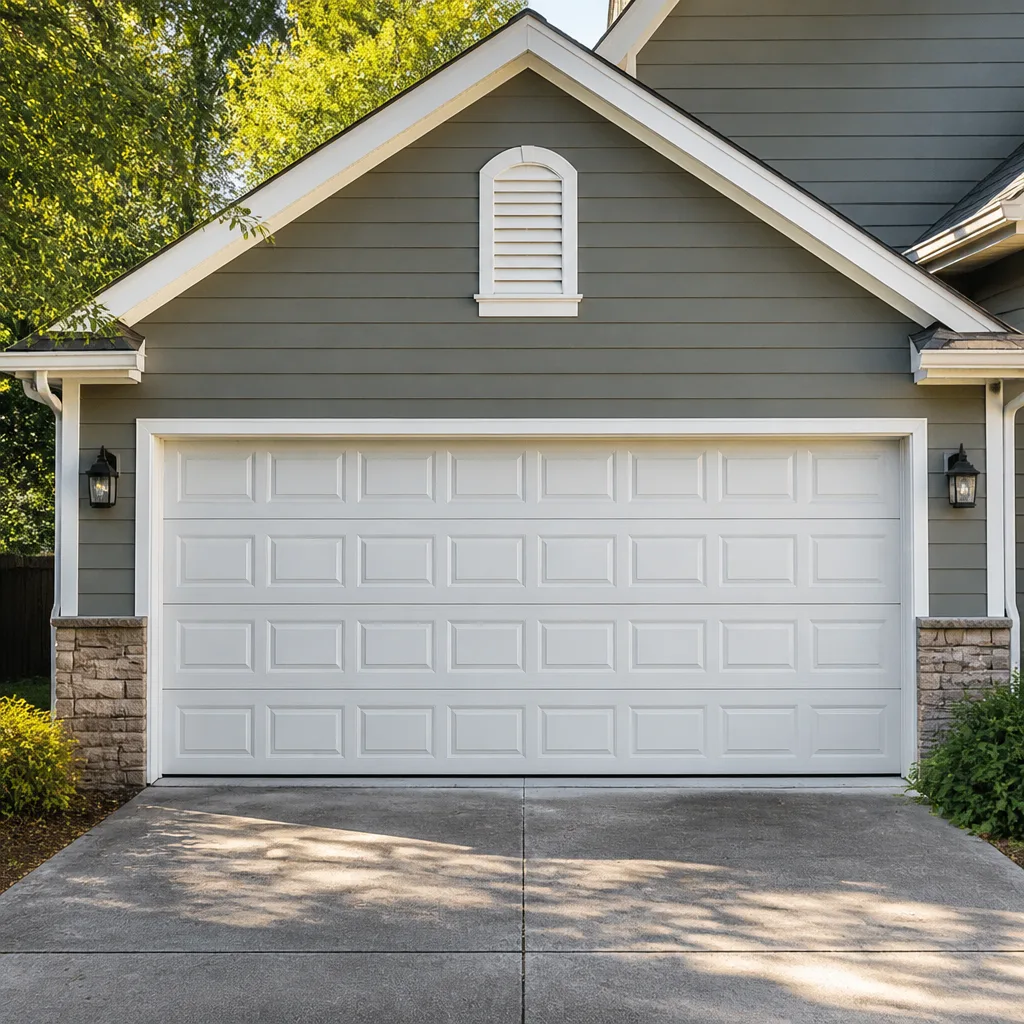 Raised-panel steel
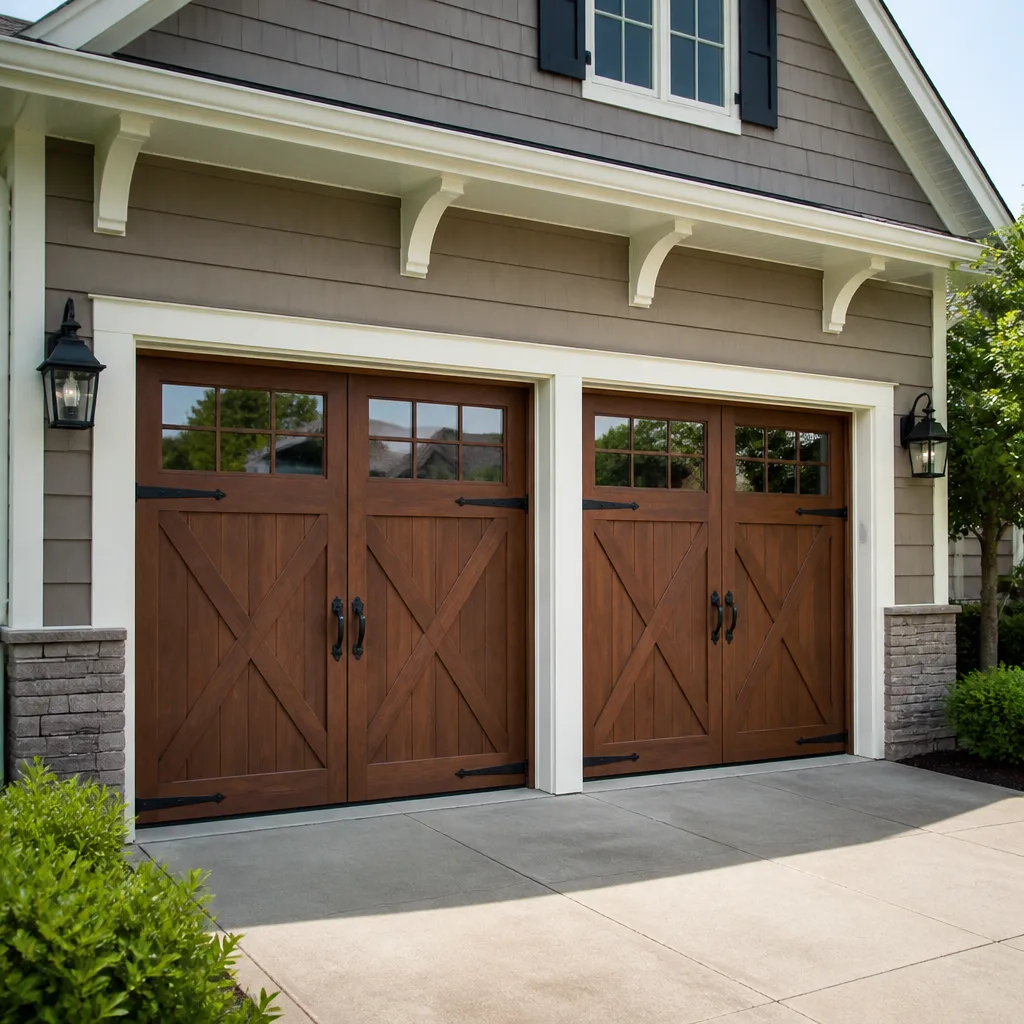 Carriage house
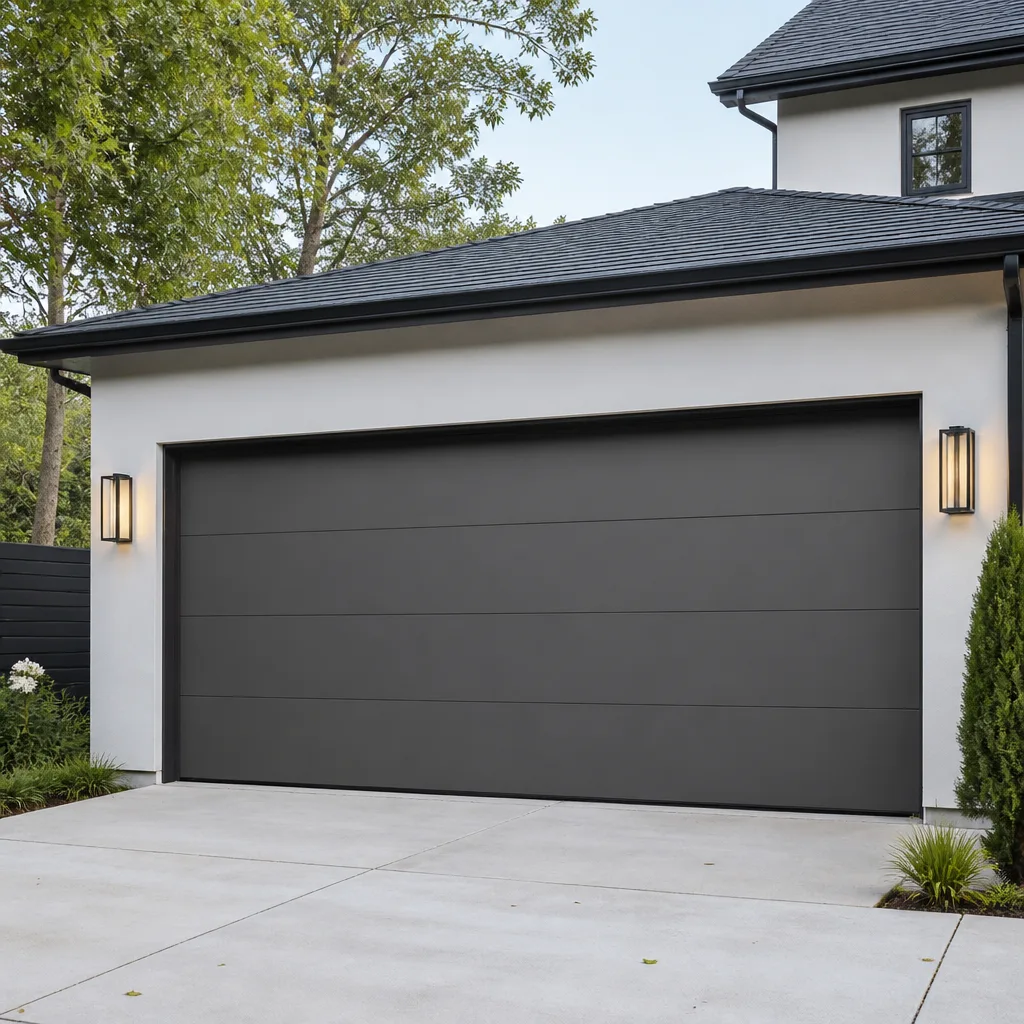 Modern flush
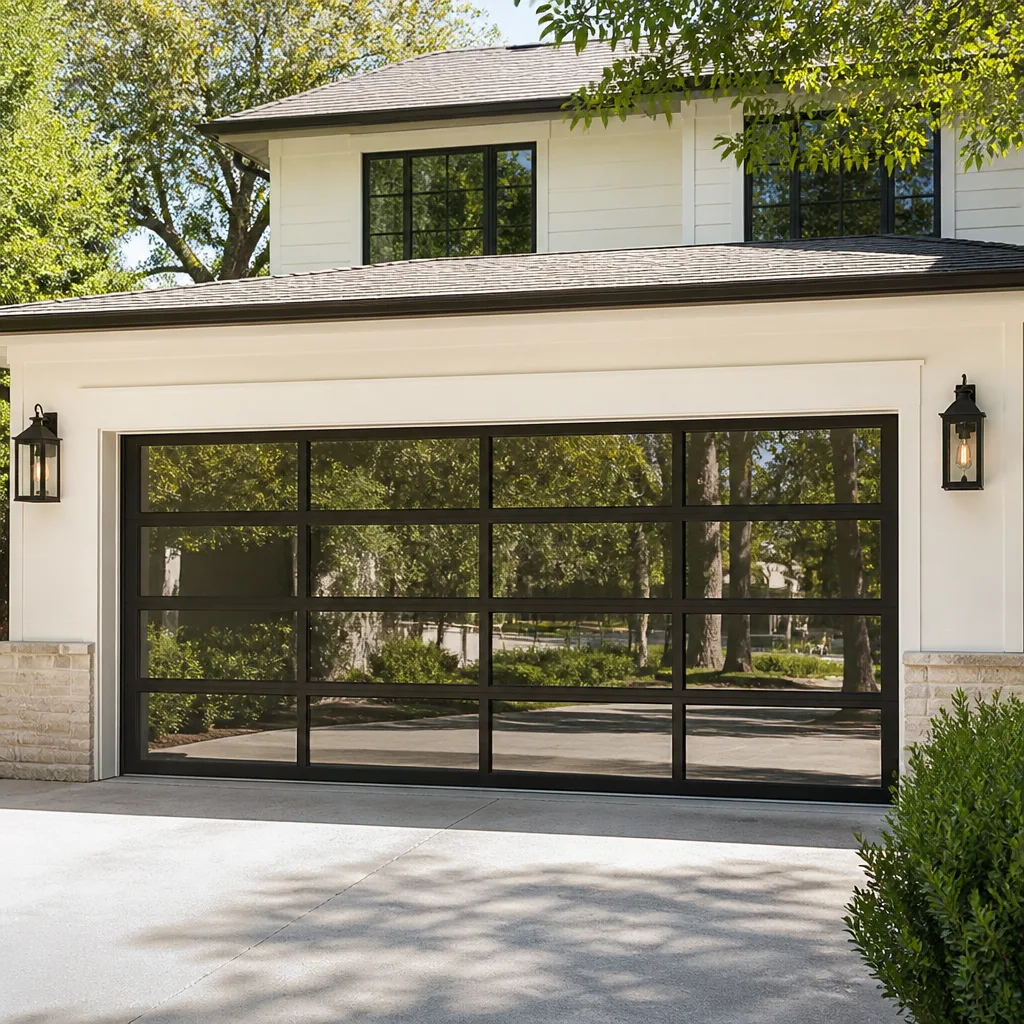 Full-view glass
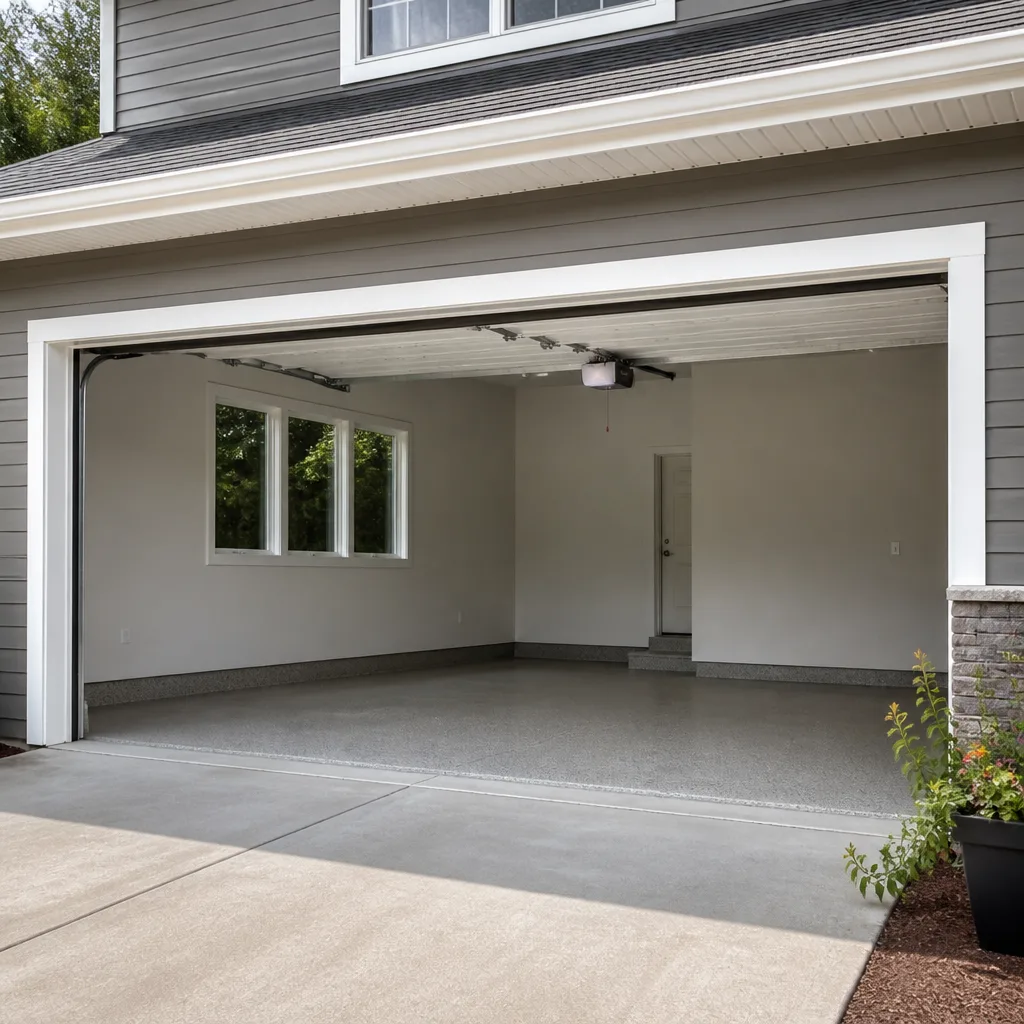 LiftMaster openers
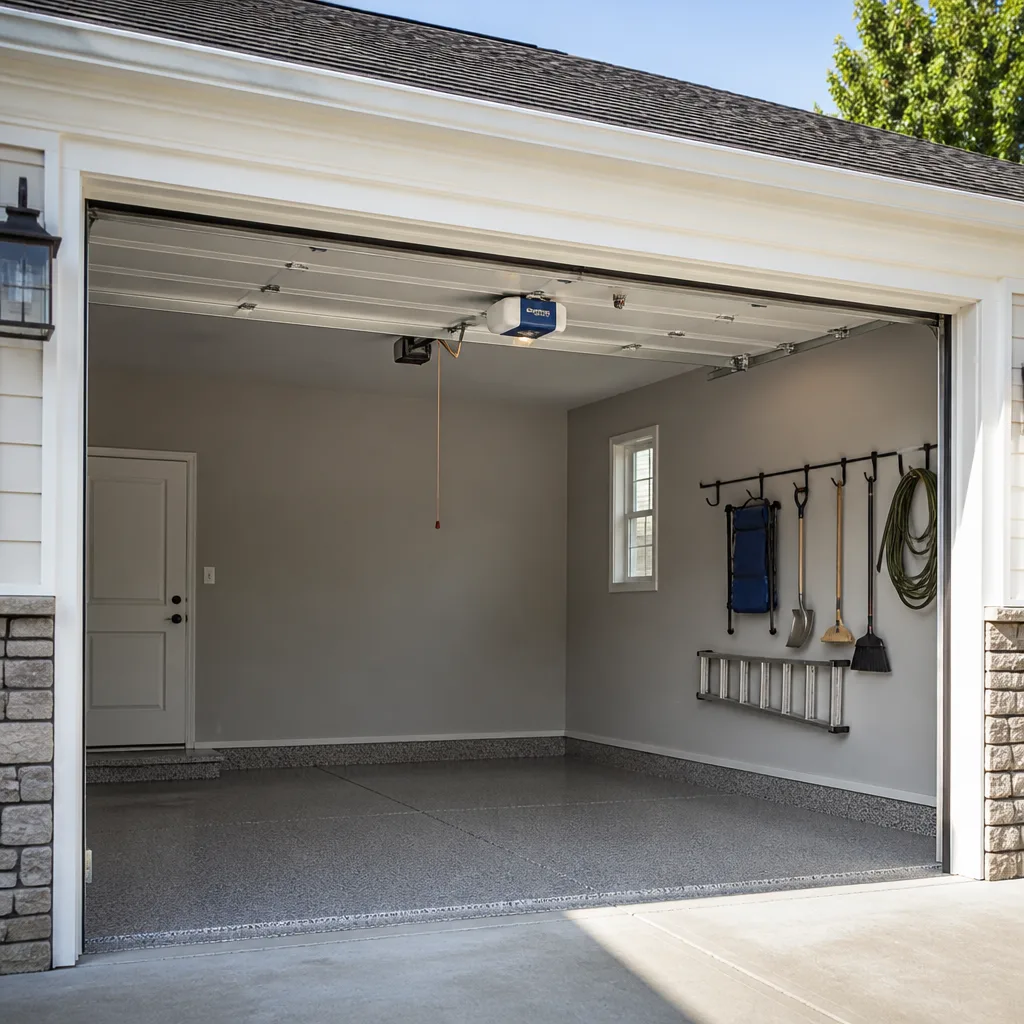 Chamberlain openers
Full 25-point door and opener safety check with every visit - springs, cables, rollers, tracks, and your LiftMaster or Chamberlain opener included
You get a price before we start. It does not change when the pro arrives.
Get your free estimateGarage Door Emergency Preparedness Guide for Mobile Homes
Most garage door advice assumes a problem that shows up on a normal Tuesday. Here in Mobile, a garage door emergency usually arrives with a name and a cone on a weather map. When a tropical system is 48 hours out, the largest and most vulnerable opening in your house is the one your car drives through. If you don’t know its wind rating, whether the manual release works, or how it behaves in a power outage, you’re guessing with something that matters. This guide covers both kinds of emergency: the door that won’t budge on a workday morning, and the door that has to stay shut and locked down while the Gulf throws everything it has at Mobile.
Quick Answer
Garage door emergency preparedness in Mobile means three things: knowing how to release your door by hand during a power outage, knowing your door’s actual wind rating (not the one you assume), and knowing what to inspect before you run the opener again after a storm. Most failures we see after high winds and flooding come down to a door that was never rated for the load, or one that was operated before anyone checked it. Test the release now, find the rating label now, and keep a small kit of door-specific supplies on hand. The storm doesn’t schedule appointments, so the prep happens in the calm months, not the week before landfall.
Styles & brands we work with
- Raised-panel steel
- Carriage house
- Modern flush
- Full-view glass
- LiftMaster openers
- Chamberlain openers
Table of Contents
- The Two Kinds of Garage Door Emergency in Mobile
- Finding and Testing Your Manual Release Before You Need It
- What “Wind-Rated” Actually Means on a Door Label
- How to Secure a Door When a Storm Is Coming
- Power Outage Playbook: What to Do When the Opener Is Dead
- Post-Storm Inspection: What to Check Before You Operate the Door Again
- Building a Garage Door Emergency Kit
- When to Call a Professional
The Two Kinds of Garage Door Emergency in Mobile
In Mobile, “garage door emergency” splits cleanly into two categories, and they call for completely different responses. Knowing which one you’re in keeps you from panicking over a broken spring or, worse, being casual about a door that’s about to fail in a storm.
The first is the mechanical emergency: a snapped torsion spring, a door that comes off its track, an opener that grinds and quits, or a door stuck halfway down. These happen year-round and have nothing to do with weather. They’re inconvenient and occasionally dangerous, but they’re routine trade work. A trained technician diagnoses and repairs them, usually in a single visit.
The second is the weather emergency, and it’s the one people in Mobile underprepare for. It isn’t about a door that breaks. It’s about a door that has to hold. Your garage door is a big, flat, comparatively lightweight panel system, and high wind treats it like a sail. If it’s not rated and anchored for the load, the wind doesn’t just damage the door; it pressurizes the whole structure behind it. That’s why wind-rated doors and proper reinforcement matter here in a way they don’t in, say, a landlocked town with no storm season.
The two emergencies overlap in one frustrating way: after a storm passes, a door that “looks fine” can be quietly compromised. We’ve seen doors that opened and closed normally but had bent track, backed-out hinges, or a twisted torsion bar from the wind load. That’s why post-storm inspection is its own discipline, and why this guide gives it its own section. Knowing which kind of emergency you’re facing is step one. Everything after this builds the habits that make both kinds less likely to catch you off guard in Mobile.
Finding and Testing Your Manual Release Before You Need It
Here’s the misconception that bites people: most homeowners assume they’ll figure out the manual release when the power goes out. In the dark, with a storm outside and a car trapped inside, is the worst possible time to learn how your specific opener disengages. The manual release is the cord or lever that separates the door from the opener so you can lift it by hand. Test it on a calm day, not a stressed one.
Different openers handle this differently, which is exactly why brand familiarity matters. A LiftMaster or Chamberlain chain-drive opener typically uses a red pull cord hanging from the trolley. A Genie or Craftsman unit may have a similar cord but a different trolley mechanism. Wayne Dalton openers and the doors they pair with sometimes use a proprietary release. The principle is the same across all of them, but the hardware isn’t, and pulling the wrong thing or pulling it wrong can jam the trolley.
Here’s how to test yours safely:
- Close the door fully and make sure no one is standing under it.
- Locate the release cord or lever on the opener trolley (the carriage that rides the rail).
- With the door down, pull the release. You should hear or feel the trolley disengage.
- Lift the door by hand. A properly balanced door lifts with modest effort. If it feels extremely heavy or fights you, stop and call a technician, because that’s a balance or spring problem, not a release problem.
- Lower the door gently, then re-engage the trolley by running the opener or following the manufacturer’s re-engagement step.
Do this once or twice a year. It takes five minutes and it’s the single highest-value prep task on this list. If the cord is missing, frayed, or the release won’t budge, that’s a repair worth handling before storm season, not during it.
What “Wind-Rated” Actually Means on a Door Label
A wind-rated garage door is one that’s been tested and labeled to withstand a specific design pressure, expressed as a wind speed and a pressure rating. The rating isn’t a marketing phrase; it’s tied to the door’s construction, its reinforcement, and the anchors that hold it to the house. On a labeled door, you’ll find a sticker or tag listing the design pressure rating, often in pounds per square foot alongside a wind speed. That label is the thing to look for.
Here’s where Mobile homeowners get tripped up: a door can be wind-rated and still be improperly installed, and a door that’s properly installed can lose its rating over time as anchors loosen and hardware fatigues. The label tells you what the door was built to do. It doesn’t tell you what condition it’s in right now.
To verify your current door’s rating and condition:
- Find the label. Check the inside face of the door panels, the end stiles, and the top section. If there’s no label, the door may not be rated, or the label may have been painted over or removed.
- Note the design pressure and wind speed on the label. Write it down so you’re not squinting at it during a storm warning.
- Look at the anchoring. Wind-rated doors use specific reinforced hinges, heavier track, and center reinforcement. If your door has standard hardware, the rating may not be intact.
- Check for looseness. Wobble at the hinges, gaps at the track, or a door that shudders when it moves all suggest the anchoring has degraded.
Mobile County sits in a wind zone where design pressures matter, and builders and code officials take door ratings seriously. If you’re unsure what your label means or whether your door meets the standard for your area, ask your city or county building department; they’re the authority on what’s required where you live. If you want a door that’s rated and installed correctly from the start, that’s a conversation for a full installation, not a patch job. Brands like Clopay and Amarr both make rated door lines, and we can walk you through what’s appropriate for your house.
How to Secure a Door When a Storm Is Coming
If you have a non-rated door and a storm is bearing down, you have options, but be honest with yourself about what they are. Bracing kits and temporary reinforcement exist, and they can help, but they are a last resort, not a solution. A brace added to an unrated door doesn’t turn it into a rated door; it buys you a little margin. The real fix is a rated door installed correctly, and that’s a project for the off-season.
If you’re riding out a storm with an unrated door, here’s the sequence that makes the most sense:
- Close and lock the door. Engaged locks and a fully seated door resist wind better than a door left unlocked and loose.
- Clear the area. Move anything that could become a projectile away from the door, and keep people and pets out of the garage during the worst of it.
- If you have a bracing kit, install it per the manufacturer’s instructions. If you don’t, don’t improvise with lumber wedged against the door. Improper bracing can concentrate force and cause a worse failure.
- Disconnect the opener if the manufacturer recommends it for storm conditions, and follow the manual release procedure you already tested.
- Monitor from inside the house, not the garage. If the door starts to deflect or the track pulls, get everyone to an interior room.
The takeaway for Mobile: securing an unrated door is damage control, not protection. The preparedness work that actually matters is knowing your rating and planning a rated replacement before the season, so you’re not making that decision under a hurricane warning. When you’re ready to talk about a rated door, our garage door repair and installation teams handle both the assessment and the replacement.
Power Outage Playbook: What to Do When the Opener Is Dead
When the power fails during a storm, your garage door becomes a manual door. That’s fine if the manual release works and the door is balanced. It’s a problem if either of those assumptions is wrong. The outage playbook is short, but each step depends on the prep you did beforehand.
First, confirm the opener is actually dead and not tripped. Check the breaker and the wall control. If the opener has a battery backup, it may still run the door once or twice. Many modern LiftMaster and Chamberlain openers include battery backup, but a Genie or older unit may not. Know what yours has.
If there’s no power at all, use the manual release you tested. Lift the door by hand slowly, and never force it if it binds or feels far heavier than it did during your prep test. A door that won’t lift by hand has a spring or balance issue, and forcing it risks injury. Leave it closed and call for help.
One safety point deserves its own sentence: torsion springs are under extreme tension, and a snapped spring or a door that drops suddenly can cause serious injury. Never try to adjust, unbolt, or “help” a spring or cable yourself. That’s trained-professional work, full stop.
If the outage is long and the door needs to stay secure, keep it closed and locked, and route foot traffic through the house. If you have to move a vehicle and the release won’t cooperate, that’s a call to a technician once it’s safe to travel. In Mobile, outages after a storm can last a while, so a little battery backup and a working release cord go a long way toward keeping your routine intact.
Post-Storm Inspection: What to Check Before You Operate the Door Again
This is the step most people skip, and it’s the one we’d underline twice. After high winds or flooding, a garage door can look fine and still be unsafe to operate. Running the opener on a compromised door can turn a repairable problem into a dangerous one. Do a walk-around before you touch the button.
Work through this checklist with the door closed and the power to the opener off if you can:
- Look at the tracks. Are they straight, aligned, and free of debris? Bent or twisted track means the door won’t travel safely.
- Check the panels. Look for dents, cracks, or separation between sections. Water intrusion can warp panels and weaken the door.
- Inspect the hinges and rollers. Look for backed-out screws, bent hinges, or rollers that have jumped the track.
- Examine the springs and cables. If you see a gap in a spring, a hanging cable, or obvious damage, stop. Don’t operate the door. These are high-tension parts.
- Look at the anchoring and the door-to-frame connection. Loosened anchors after wind load are a common failure, and they’re not always obvious.
- Test the balance by hand, using the manual release. A balanced door lifts smoothly; a heavy or binding door needs service.
If everything checks out, restore power and cycle the door once while watching it. If it shudders, binds, or makes new noises, shut it down and call. In our experience, doors that fail a week after a storm were usually compromised during it and operated anyway. The minutes you spend inspecting are worth far more than the repair you avoid. And if a storm has left your door stuck or off-track, our garage door opener repair and door repair work starts with exactly this inspection.
Building a Garage Door Emergency Kit
A garage door emergency kit isn’t a big box of parts. It’s a short list of things that let you respond calmly instead of scrambling. Keep it in the garage, and keep it current.
- A written card with your door’s label info. The design pressure, wind speed, and brand, so you can tell a technician exactly what you have. Genie, Clopay, Wayne Dalton, Amarr, and every other brand has a model and serial somewhere on the door or opener.
- A flashlight and batteries. The release cord is easier to find with light.
- Work gloves. Panels, track, and hardware have sharp edges.
- The opener manual. Manual releases and re-engagement steps differ by brand and model.
- Zip ties and a small toolkit. For securing loose items, not for adjusting springs or cables.
- Your technician’s number. (877) 367-4142, saved in your phone so you’re not searching for it mid-storm.
When you call, have your door and opener brand ready, describe what you see (stuck open, off track, broken spring, dead opener), and say whether the door is safe to leave closed and locked. That short report lets us route the right technician and bring what’s likely needed. If service is delayed after a storm, keep the door closed and locked, keep people clear of the door and the track, and don’t try to force it. The safest move while you wait is to leave it alone.
When to Call a Professional
Some problems are annoying; some are dangerous. Call a professional for anything involving springs, cables, and torsion bars, a door off its track, a door that drops or slams, an opener that grinds or reverses unexpectedly, or a door that’s hard to lift by hand. After a storm, call if you find bent track, loosened anchors, damaged panels, or any spring or cable damage. Don’t operate a door with any of those. Garage doors are all we do, so a technician can come to you, look at the actual door, and tell you what’s going on without a sales pitch. Mobile Garage Door Service offers free estimates in Mobile. Call (877) 367-4142. We answer 24/7, with fast dispatch from 7am to 7pm, Sunday through Friday. The price is quoted and agreed before any work starts, and the written estimate sets the final price.
See the difference
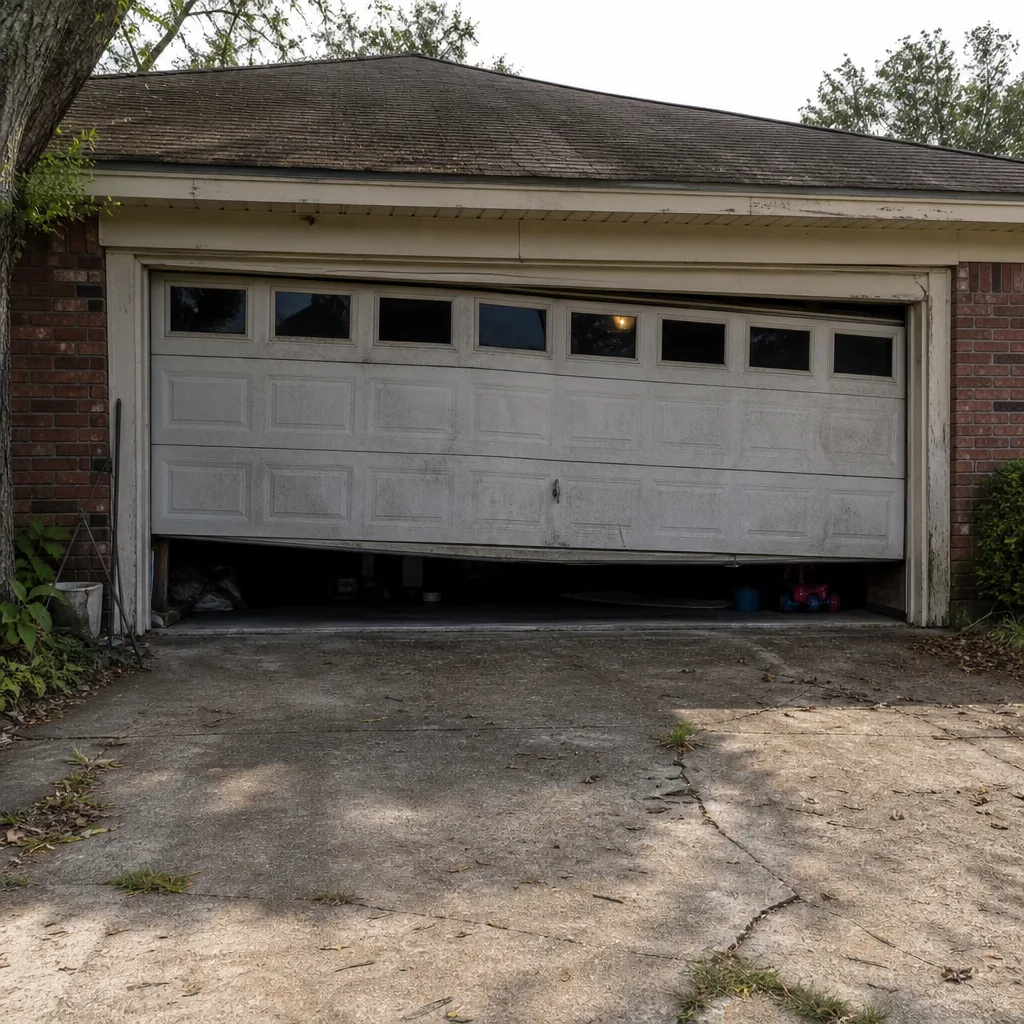 Before
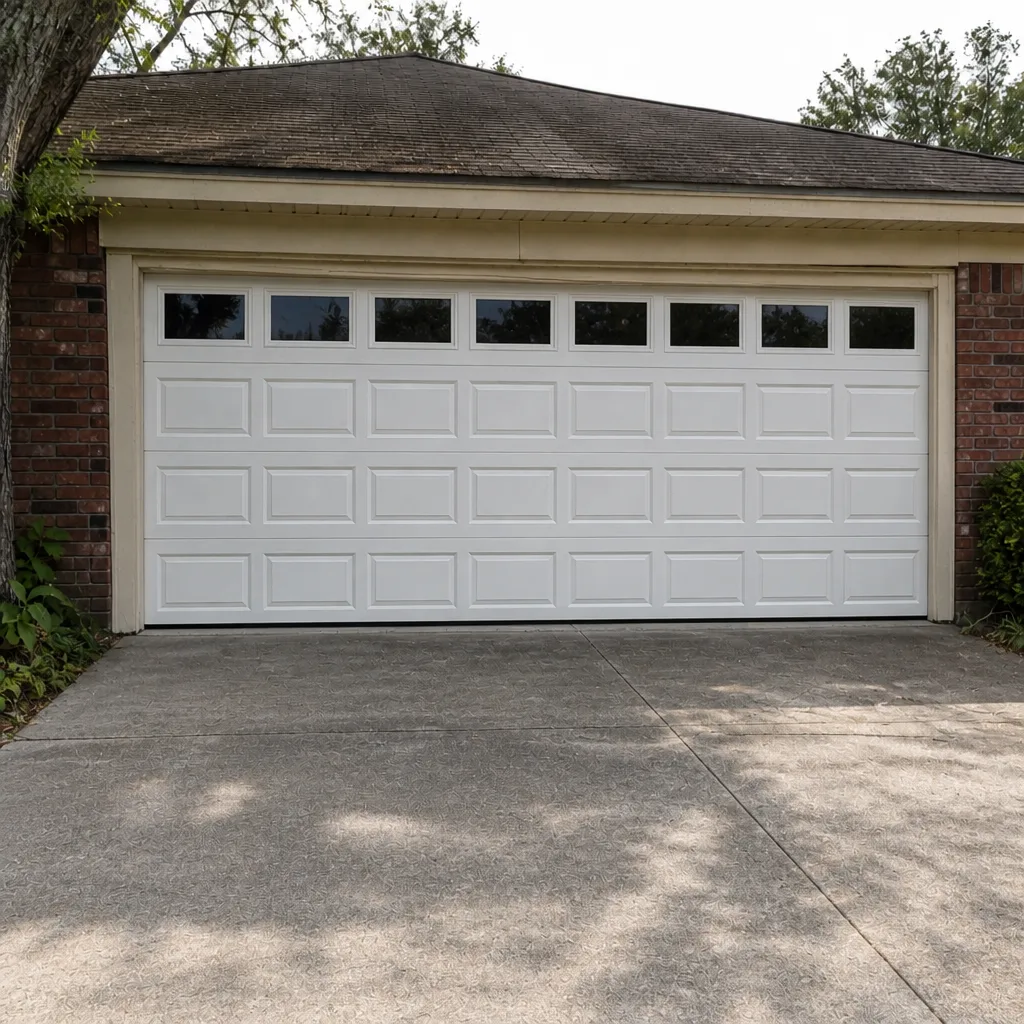 After
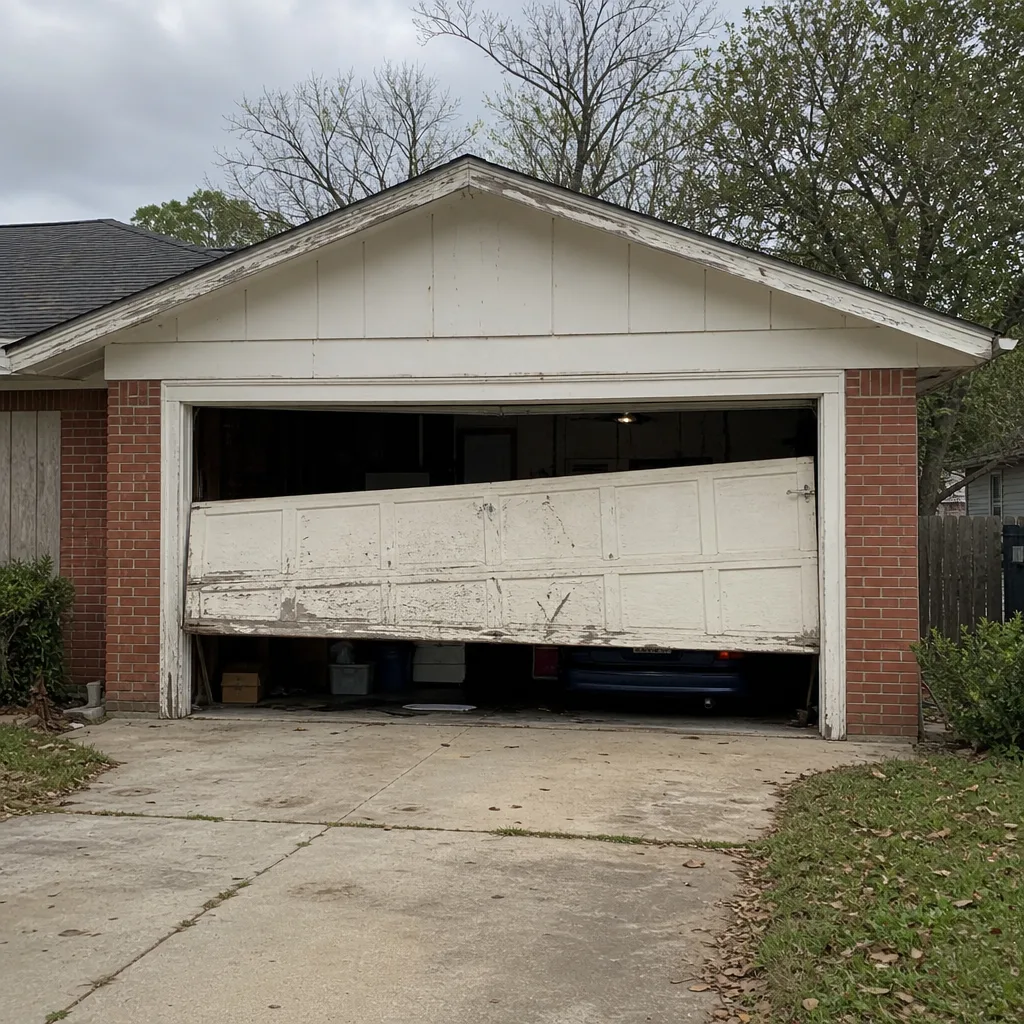 Before
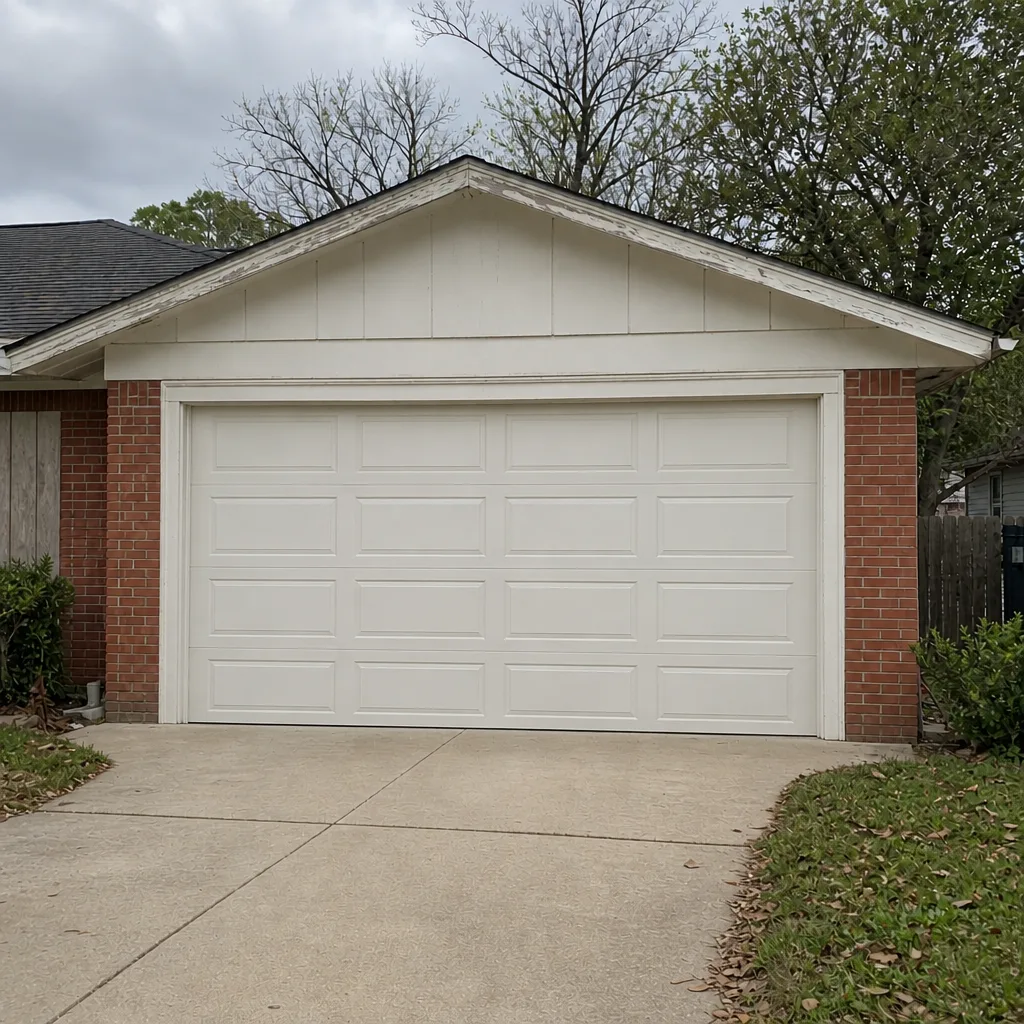 After
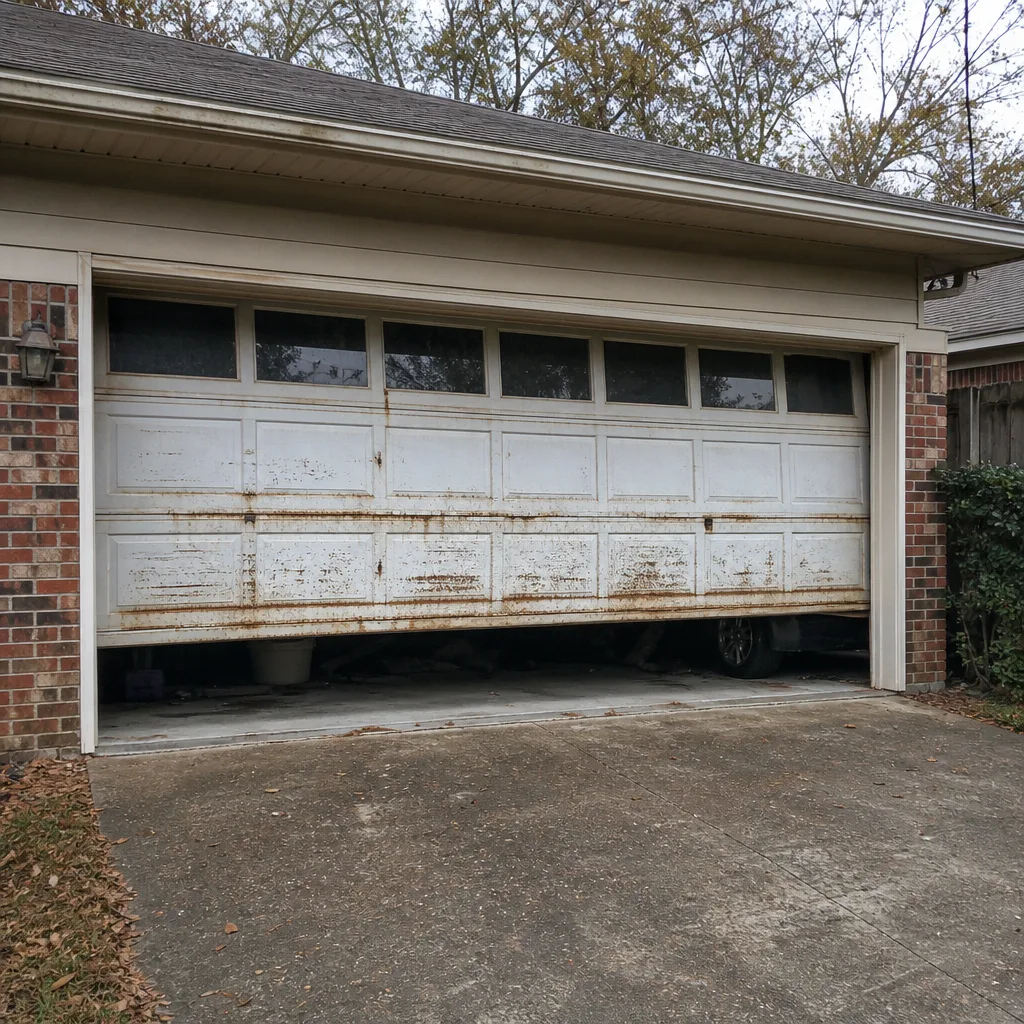 Before
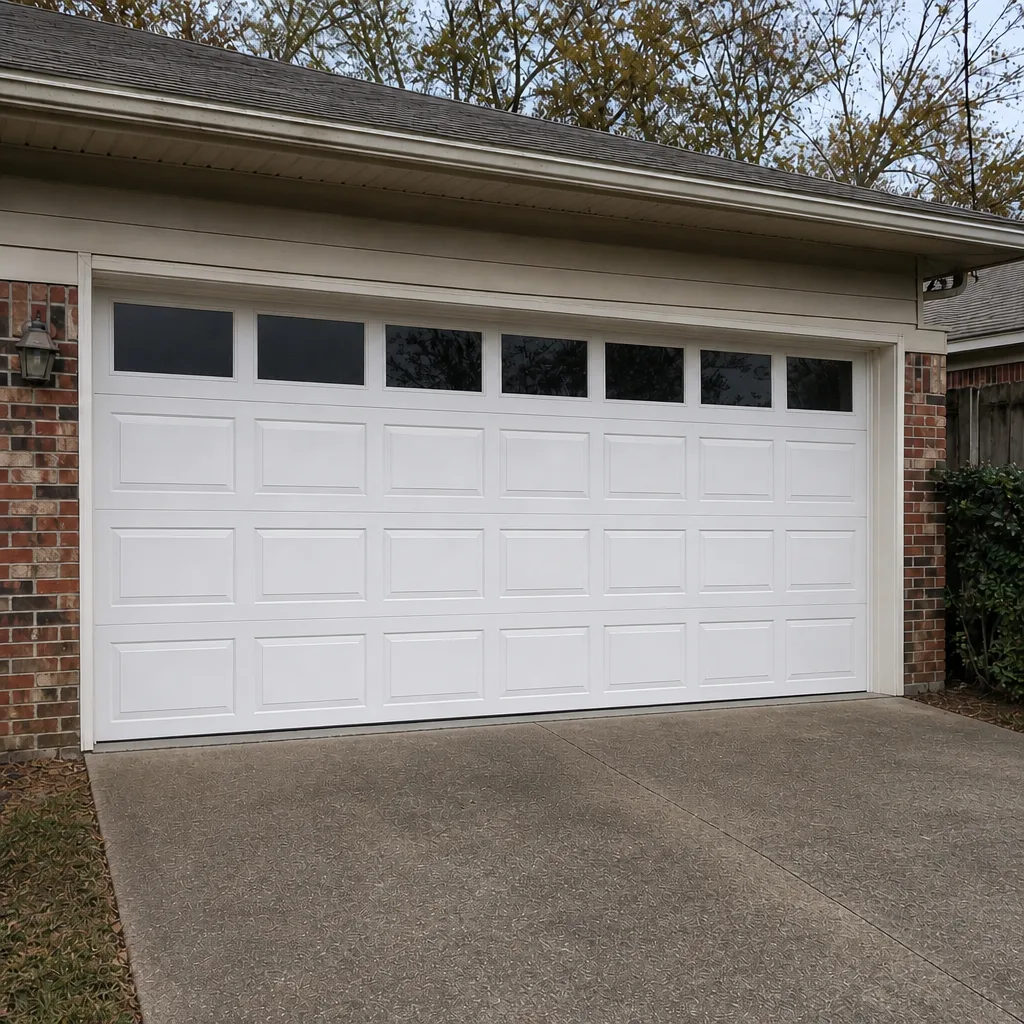 After
Frequently Asked Questions
Close the door, pull the release cord on the opener trolley, and lift the door by hand. If it lifts with modest effort, the release and balance are fine. Re-engage the trolley afterward, and test it again every few months. If the cord is missing or the door feels extremely heavy, call for service before storm season.
Look for a label or tag on the door panels or end stiles listing a design pressure and wind speed. Write down what it says, then check the hardware and anchoring, since a rated door can lose its effectiveness if hinges or anchors have loosened. If you can’t find a label or you’re unsure what it means, ask your city or county building department, since they’re the authority on what’s required where you live. We can also assess your door and tell you honestly whether it’s rated and in good shape.
Yes, if the manual release works and the door is balanced. Use the release cord to disengage the opener and lift the door by hand. Never force a door that binds or feels far heavier than normal, since that signals a spring or balance problem that needs a technician.
No. A bracing kit can add some margin, but it doesn’t turn an unrated door into a rated one. The reliable fix is a rated door installed correctly, planned before storm season. Treat bracing as a last resort, never as your main protection.
Before you operate it. Check the tracks, panels, hinges, rollers, springs, cables, and anchors first, then test the balance by hand. If anything looks bent, loose, or broken, don’t run the opener. Call a technician to inspect it before it’s used again.
Give your door and opener brand, describe what you see (stuck open, off track, broken spring, dead opener), and say whether the door is safe to leave closed and locked. That helps us route the right technician and arrive prepared. Call (877) 367-4142 for a free estimate; we answer 24/7, with fast dispatch from 7am to 7pm, Sunday through Friday.
The Bottom Line
Garage door preparedness in Mobile comes down to a few habits practiced year-round: know your door’s wind rating and test your manual release, keep a small kit and your technician’s number on hand, and inspect before you operate after any storm. Bracing is a last resort, never a substitute for a rated door. The mechanical emergencies and the weather emergencies are different problems, but the prep overlaps: a door that’s balanced, released easily, and correctly rated handles both better. If anything looks off, we come to you, whatever brand you have. One call covers it. Get a free estimate at Mobile Garage Door Service, and find more on our Mobile page.
Call (877) 367-4142 to get a free estimate and get back up and running. We answer 24/7, with fast dispatch from 7am to 7pm, Sunday through Friday.
Written by the team at Mobile Garage Door Service.