
Last updated November 15, 2026
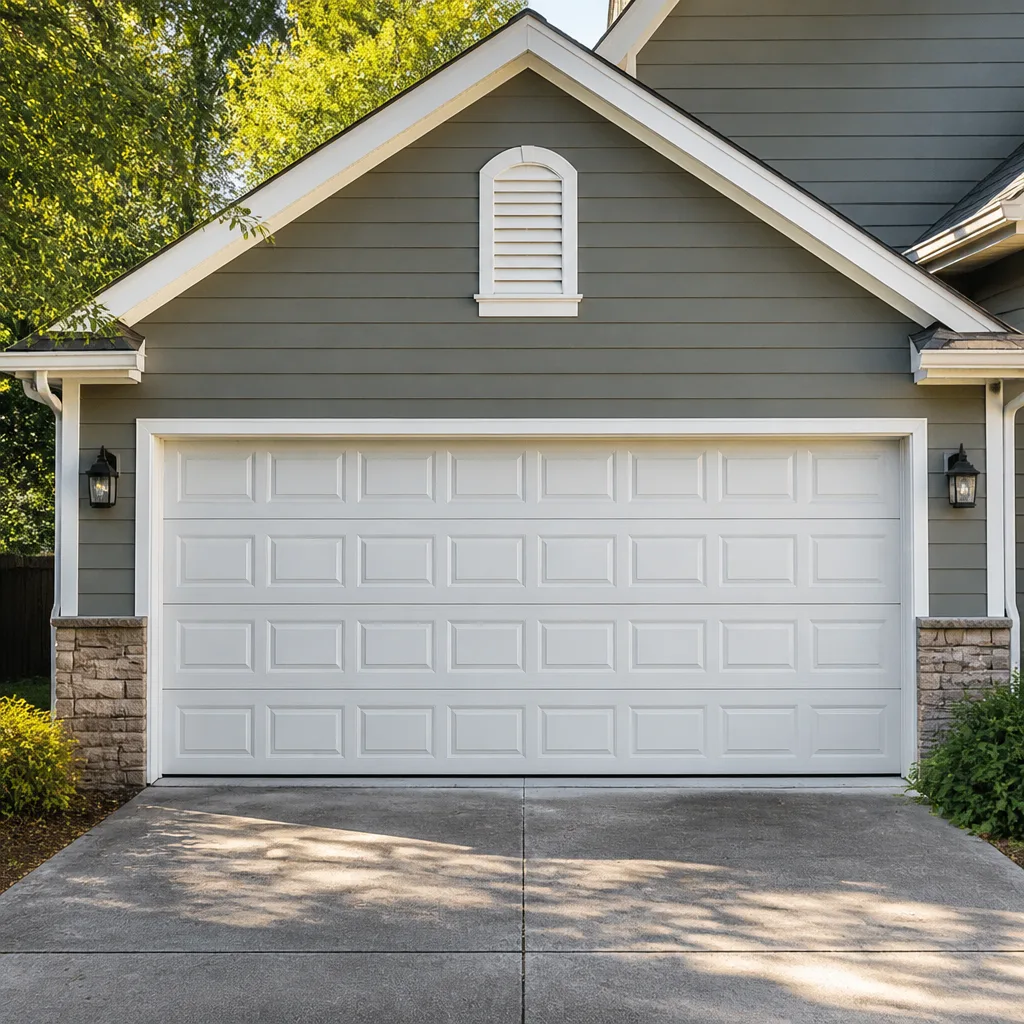 Raised-panel steel
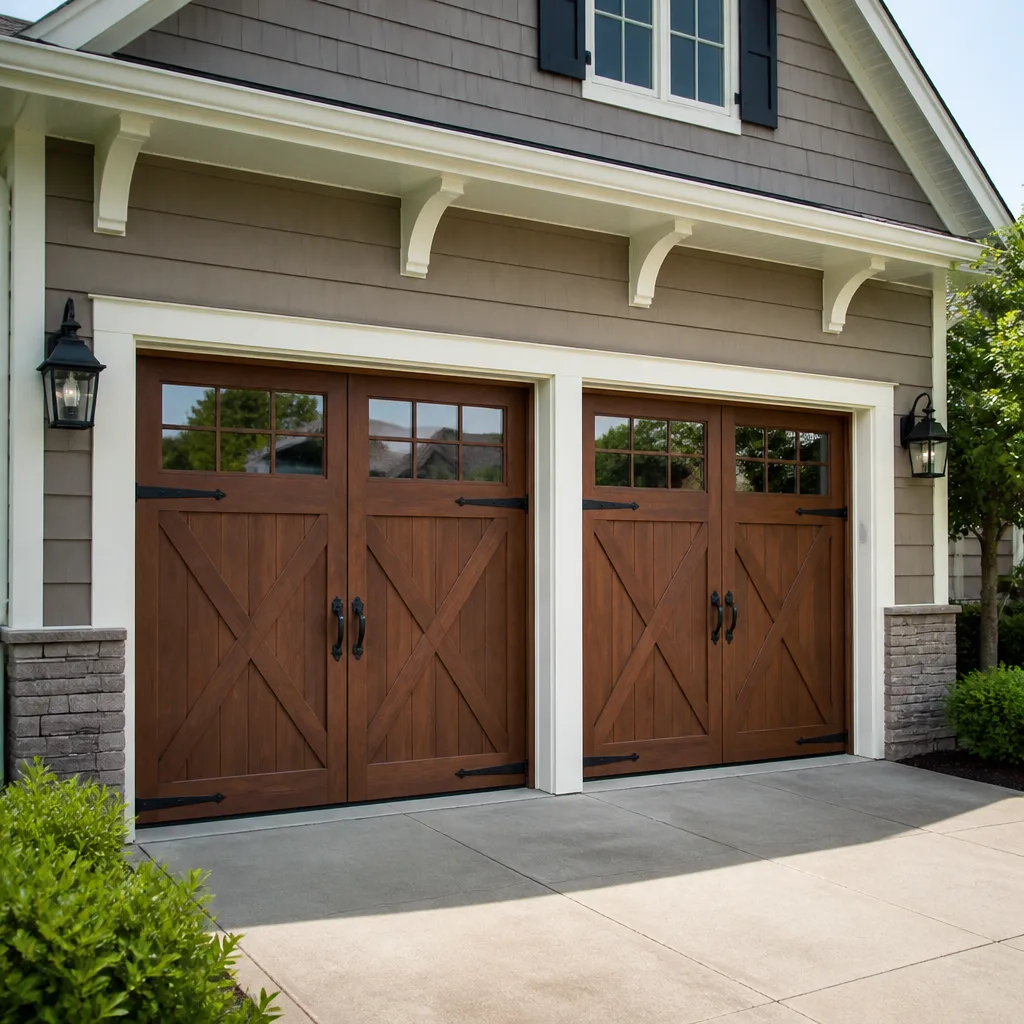 Carriage house
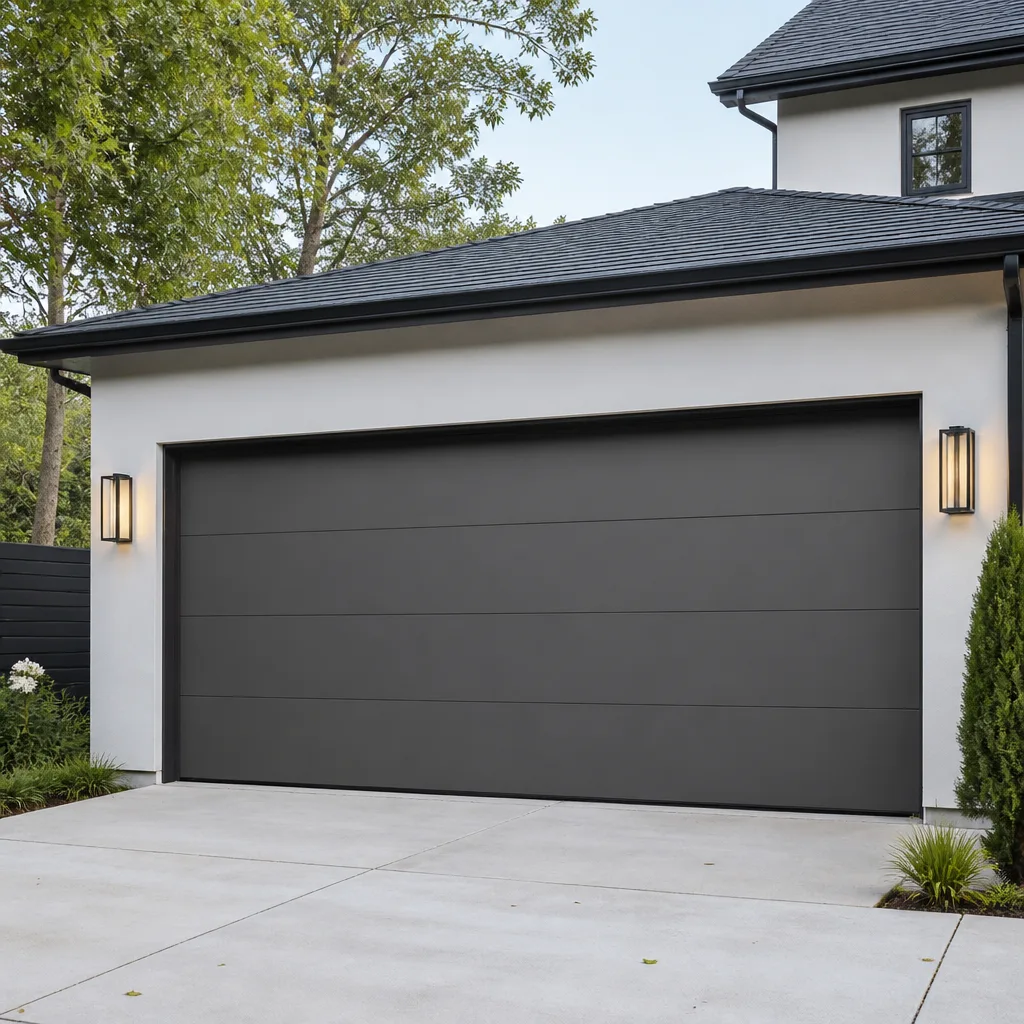 Modern flush
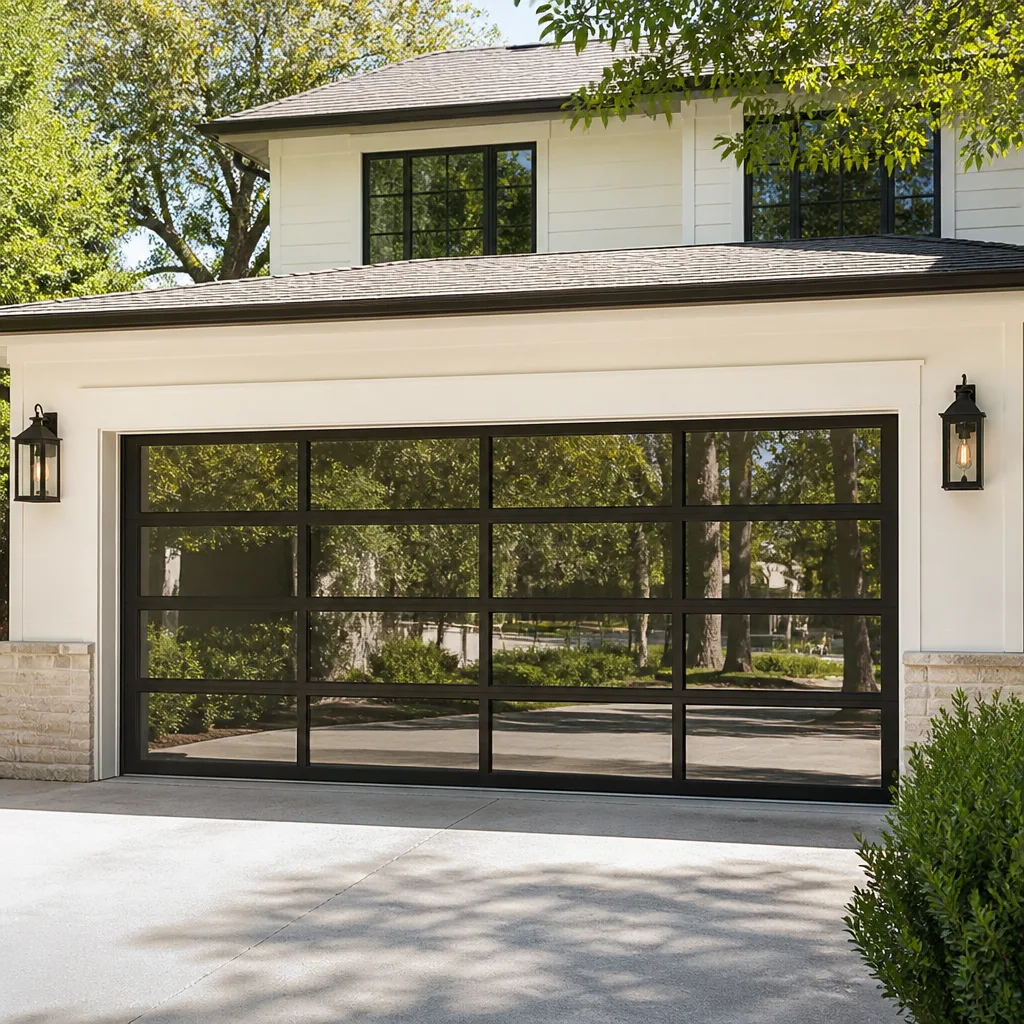 Full-view glass
 LiftMaster openers
 Chamberlain openers
Full 25-point door and opener safety check with every visit - springs, cables, rollers, tracks, and your LiftMaster or Chamberlain opener included
You get a price before we start. It does not change when the pro arrives.
Get your free estimateGarage Door Repair Maintenance Schedule: What to Do and When
Here’s the mistake we see most often, and it has nothing to do with skipping maintenance. It’s lubricating the track. Homeowners figure metal-on-metal means grease, so they spray the rails until they’re slick, and then the door starts binding, the rollers skid instead of rolling, and the opener works harder than it should. Your track is supposed to stay dry. The parts that need oil are the ones you probably haven’t touched. This guide lays out a real maintenance schedule built around how garage doors actually wear in Mobile’s heat and humidity: what to check monthly, what to check twice a year, what belongs to a professional once a year, and which parts have a fixed lifespan you should plan around instead of reacting to.
Quick Answer
Check your garage door visually once a month, do the mechanical checks (balance test, roller inspection, hardware tightening) twice a year, and book a professional inspection once a year. Lubricate hinges, rollers, and springs with a lithium-based or silicone spray, never the track. In Mobile, schedule your semi-annual check before hurricane season and again after the summer heat, and replace torsion springs by cycle count rather than calendar age.
Styles & brands we work with
- Raised-panel steel
- Carriage house
- Modern flush
- Full-view glass
- LiftMaster openers
- Chamberlain openers
Table of Contents
- Why a Garage Door Needs a Schedule at All
- The Monthly Visual Check: Five Minutes, Ten Items
- What to Lubricate and What to Leave Alone
- The Balance Test: The Best Thing You Can Do for Your Opener
- The Semi-Annual Mechanical Check
- The Annual Professional Inspection
- Seasonal Adjustments Specific to Mobile
- Parts With Fixed Lifespans: Plan Ahead, Don’t React
Why a Garage Door Needs a Schedule at All
A garage door is the largest moving object in your house, and it moves more than almost anything else in it. A typical household opens and closes the door four to six times a day, which means the springs, rollers, hinges, and opener motor are all working thousands of cycles a year whether anyone thinks about them or not. Wear doesn’t announce itself. It accumulates quietly until one morning the door won’t open, or a cable snaps, or the opener starts straining.
The case for a schedule is simple: garage doors don’t fail all at once, they fail in sequence. A dry hinge wears a roller. A worn roller drags on the track. The drag makes the opener work harder. The harder-working opener shortens its own motor life. Every step is cheaper to catch than the one after it. If you catch a worn roller at the monthly glance, you’re out the price of a roller. If you catch it when the opener burns out, you’re replacing both.
What we don’t want is for a maintenance schedule to become a standing appointment you don’t need. A garage door in decent shape doesn’t require monthly professional attention, and any company that tells you otherwise is selling service calls, not maintenance. What it does require is the right check at the right interval. Doing a balance test every week doesn’t help. Doing it never can cost you an opener.
There’s also a Mobile-specific reason to stay ahead of it. The heat and humidity here are hard on the parts most people never look at: the rubber weatherstripping along the bottom, the lubricant on the moving metal, the tension in the springs. None of those fail overnight, but all of them degrade faster in this climate than they would in a drier one. A schedule is how you keep track of them.
The Monthly Visual Check: Five Minutes, Ten Items
The monthly check is not mechanical. You’re not adjusting or testing anything. You’re walking around the door with your eyes open, looking for the early signs that something is starting to go. Five minutes, once a month, and you’ll catch most problems while they’re still small.
- Look at the springs above the door. If you have torsion springs, they run along a shaft above the door. If you have extension springs, they run alongside the horizontal tracks. Look for gaps, stretched coils, or rust.
- Check the cables on both sides. They should be taut, straight, and free of fraying. A frayed cable is a warning, not a nuisance.
- Look at the rollers in the track. Worn nylon rollers turn smooth and quiet; worn steel rollers get flat spots. If any roller looks cracked or wobbly, note it.
- Run your eyes down both tracks. Look for dents, bends, or anything that looks out of line. Don’t lubricate them, just inspect.
- Check the hinges where the panels meet. Loose screws and worn hinge plates show up here first.
- Inspect the bottom weather seal. It should touch the floor along its full length without gaps.
- Look at the panels for cracks, dents, or separation from the frame. Panel condition matters more in a humid climate than most homeowners realize.
- Check the photo-eye sensors at the bottom of the tracks. They should be pointed at each other, clean, and free of cobwebs or debris.
- Listen to the door. Open it once and close it once. Anything that sounds new, grinding, or uneven is worth writing down.
- Look at the opener. Does the light come on? Does the wall button work? Does the remote work from your usual distance?
Note anything that looks off, then leave it alone until the semi-annual check or a call to a technician. The monthly check is a watchlist, not a repair session. If something looks genuinely wrong – a frayed cable, a gap in a spring – stop operating the door and have it looked at. More on that below.
What to Lubricate and What to Leave Alone
The track is the part everyone lubricates and the part that should never be lubricated. The rollers are designed to roll along the track, not slide. Grease on the rails makes the rollers skid, which wears them faster, creates uneven movement, and forces the opener to work harder. If your track looks greasy right now, wipe it down with a dry rag and leave it dry.
The parts that do need lubrication are the ones doing the pivoting and turning:
- Hinges – one drop or a short spray at each pivot point where the hinge plates meet.
- Rollers – a small amount at the stem, not on the wheel itself. On nylon rollers, use it sparingly or skip it depending on the manufacturer’s recommendation.
- Springs – a light coat along the coil on torsion springs. This is surface protection as much as lubrication, especially in a humid climate like Mobile’s.
- The opener’s drive screw or chain – only if your opener’s manual calls for it. Belt-drive openers generally don’t need it.
For Mobile’s humidity, use a lithium-based grease or a silicone spray. Both resist moisture and won’t run off in the heat. Avoid standard WD-40 as a long-term lubricant; it’s a decent penetrating spray but it doesn’t stay put, and it attracts dust. Whatever brand of opener you’re running – a Genie or a LiftMaster, a belt drive or a chain – the lubrication rule is the same, because it’s about the door hardware, not the motor. Our technicians have up to 11 years of experience across all the major brands, and the lubrication question comes up more than any other single maintenance topic.
One caution: do not lubricate the springs by hand while the door is under tension. A light spray along the visible coil with the door closed is enough. If a spring looks rough, rusted, or has visible gaps, don’t touch it at all – have it looked at.
The Balance Test: The Best Thing You Can Do for Your Opener
Your opener is not designed to lift the door. It’s designed to guide a door that’s already balanced. When the springs are doing their job, a properly balanced door takes very little effort to lift by hand. When the springs are losing tension, the opener picks up the slack, and an opener doing the lifting job works significantly harder than it should. That shortens motor life faster than any other single factor we know of.
The balance test tells you which one you have. Here’s how to do it:
- Close the door and pull the emergency release cord to disconnect the opener. The door should now move by hand.
- Lift the door to about waist height and let go.
- A balanced door will stay roughly where you left it, maybe drift a few inches.
- A door that drops quickly is spring-tensioned too loose. A door that rises on its own is too tight. Either way, the springs need adjusting, and that’s professional work.
- Reconnect the opener by pulling the release cord back and cycling the door once to confirm it re-engages.
Do this once at the semi-annual check, not more often. If the door drops or rises on its own, stop using it and get it looked at. Do not try to adjust torsion springs yourself. They’re under very high tension, and the tools and technique involved are not a homeowner project. Extension springs are similarly dangerous to adjust and can cause serious injury if they release unexpectedly. This is the one part of the schedule where we’ll always steer you toward a trained technician rather than give you the steps.
For the rest of the door, though, the balance test is the highest-value five minutes you can spend. If you have to choose between doing this and doing anything else on the schedule, do this. On a Mobile door that sees heavy use through the summer, catching a tension problem early is often the difference between a spring adjustment and an opener replacement. If your opener has already started showing symptoms – reversing, straining, or failing intermittently – see our page on garage door opener repair for what to look for.
The Semi-Annual Mechanical Check
The semi-annual check takes longer than the monthly glance and covers the things that need actual hands-on testing. Spring and fall are the natural times to do it, though in Mobile your calendar will tilt toward late spring (before hurricane season) and mid-fall (after the worst of the summer heat). Plan for about 20 to 30 minutes.
- Balance test – as described above. Once every six months is enough.
- Roller inspection – spin each roller by hand. Any that wobble, grind, or have flat spots get replaced.
- Hardware torque check – use a socket or wrench to check that hinges and bracket bolts are snug. Don’t overtighten; you’re looking for snug, not cranked.
- Track alignment – look down both tracks from a low angle. They should be parallel to each other and to the door. Anything that’s drifted out of line is a professional call.
- Weatherstripping inspection – check the bottom seal and the side seals. Gaps, hardening, or cracks all mean replacement is approaching.
- Safety reverse test – place a piece of wood about two inches thick on the floor under the door and close it. The door should reverse on contact. If it doesn’t, this needs immediate attention.
- Photo-eye test – with the door closing, wave your foot or an object through the beam. The door should reverse.
- Lubrication – apply lithium grease or silicone spray to hinges, rollers, and springs as described above.
- Opener force adjustment – most openers have force-setting dials or screws. If your door has been reversing unexpectedly, this is usually the culprit, but the adjustment should be done carefully against the opener’s manual.
If any of these checks turns up an actual problem – a cable that’s starting to fray, a roller that’s already broken, a spring with a visible gap – that’s the point to call. The semi-annual check is designed to catch those early. Our garage door repair service is set up for exactly this kind of work, and on-site diagnosis is part of the visit.
The Annual Professional Inspection
Once a year, have a trained technician look at the door. Not because you can’t do most of the checks yourself, but because a few of them can’t be done safely by a homeowner, and some of the problems worth catching are the ones that are hard to see from the ground.
What a professional inspection covers that your semi-annual check doesn’t:
- Spring tension measurement. The correct tension on your springs depends on the door’s weight and the specific spring. A technician can measure it and confirm the balance is right, not just that it looks right.
- Cable condition end to end. Fraying often shows up at the drum or the bottom bracket where you can’t see it from the floor.
- Opener motor load testing. Checking whether the opener is drawing more current than it should, which is an early sign the motor is working too hard.
- Panel and frame assessment. In Mobile’s humidity, panels can develop small cracks that aren’t yet visible from below. A technician can spot them before they grow.
- Full safety system verification. Beyond the reverse test, checking that the sensors, the force settings, and the manual release are all functioning as designed.
- Parts lifespan projection. A technician can look at the springs, rollers, and opener and tell you roughly how much life is left, so you can plan rather than react.
Annual is the right interval for most homes. If your door gets used 10 or more times a day – a busy household, a door on a workshop – a second visit is worth considering. If your door is barely used, the annual visit still matters because rubber and springs degrade on the calendar even when the door isn’t moving.
Seasonal Adjustments Specific to Mobile
Mobile’s climate puts a specific spin on the schedule. Two seasonal checkpoints are worth adding to whatever calendar you keep.
Late spring, before hurricane season. The most important pre-season check is the cables and springs. Wind loading during a storm tests every part of the door at once, and a cable that was already thinking about fraying is more likely to go. Walk the full length of both cables, look for fraying at the drum and the bottom bracket, and confirm the door is balanced. Check the bottom seal for gaps – a storm door that doesn’t seal at the bottom lets wind-driven water in. Have the annual inspection done in this window if you can, so anything borderline gets caught before the season starts.
Mid-fall, after the summer heat. The summer here is hard on the weatherstripping. The rubber at the bottom of the door expands in the heat, then contracts as it cools, and over a few seasons it loses its seal. Check for gaps along the bottom edge, cracking on the side seals, and any place the seal has pulled away from the door. Also check the rollers – heat can accelerate wear on the nylon bushings, and a summer of heavy use is when most roller problems start showing up. Lubricate hinges and springs again if it’s been six months since the last application.
The seasonal check is also the time to look at panel condition. Clopay, Amarr, and Wayne Dalton steel doors are common in Mobile, and their insulation and steel skins are subject to thermal expansion across the year. Small dents and cracks that aren’t obvious in mild weather become visible in the extremes. Catching them early is the difference between a touch-up and a panel replacement.
If you want a professional walkthrough of the seasonal checks, a technician can come to you – that’s the model we work by, and it means no dropping a door off anywhere. Book the pre-hurricane check as part of the annual inspection; book the post-summer weatherstripping check as a separate short visit if anything needs replacing.
Parts With Fixed Lifespans: Plan Ahead, Don’t React
Some parts of your door wear out. Not as a failure, just as a fact of use. Knowing which ones have a fixed lifespan – and roughly what to expect – lets you budget for replacements instead of getting surprised by them.
Torsion springs are measured by cycle count, not years. A “cycle” is one open and one close. Springs are sold with a rated cycle count, and the range is broad. A standard spring might be rated for 10,000 cycles; a high-cycle spring can be rated much higher. If your household opens and closes the door six times a day, that’s about 2,190 cycles a year. Run the math against your spring’s rating, and you know roughly when it will fail, whether that’s in a few years or a decade.
This is the single most useful planning number in garage door maintenance. Spring failure isn’t a random event; it’s a scheduled event you can put on the calendar. When one spring of a matched pair reaches its rated life, replace both. They wear together, and replacing one at a time usually means doing the second one within a year anyway.
Rollers have a lifespan measured in tens of thousands of cycles. Nylon rollers typically last longer than steel. If you’re replacing rollers, it’s usually worth doing all of them at once, since they wear at similar rates and the labor cost is mostly opening the door up.
Weatherstripping has no cycle rating, but in a climate like Mobile’s, plan on five to seven years before the bottom seal needs replacing. Side seals can last longer. The bottom seal is the one to watch.
The opener motor is the part that benefits most from the balance test. A motor on a balanced door can run well past its typical lifespan. A motor on an unbalanced door is likely to fail earlier. Keeping balance right is the cheapest thing you can do to extend it.
If a spring is presenting a problem right now – a gap in the coil, a door that’s suddenly much heavier to lift, a loud bang from the garage when no one was in it – that’s a call-us-now situation. Springs and cables are the two parts of a garage door that can cause serious injury when they let go. Don’t operate the door more than you have to, and don’t try to replace a spring yourself.
Common Mistakes to Avoid
- Lubricating the track. This is the number-one mistake. The track should be dry. Grease on the track makes rollers skid, causes uneven movement, and forces the opener to work harder than it should.
- Skipping the balance test because the door seems fine. A door can seem fine and still be out of balance. The balance test is short and catches a problem the eye won’t.
- Ignoring a small gap in a spring. A crack in a torsion spring doesn’t heal, and it doesn’t stay small. Catching it early saves both the spring and a potential opener replacement.
- Replacing rollers one at a time as they fail. Rollers wear at similar rates. Replacing one is false economy; do the set.
- Using WD-40 as a long-term lubricant on moving parts. It penetrates but doesn’t last, and in Mobile’s heat it attracts dust that makes the problem worse.
- Skipping the pre-hurricane cable check. Mobile’s storm season tests every cable at once. A cable that was thinking about fraying is more likely to go. Check it before the season, not after.
- Adjusting torsion springs yourself. This isn’t a maintenance task, it’s a safety line. High tension springs need the right tools and training. Call a professional.
See the difference
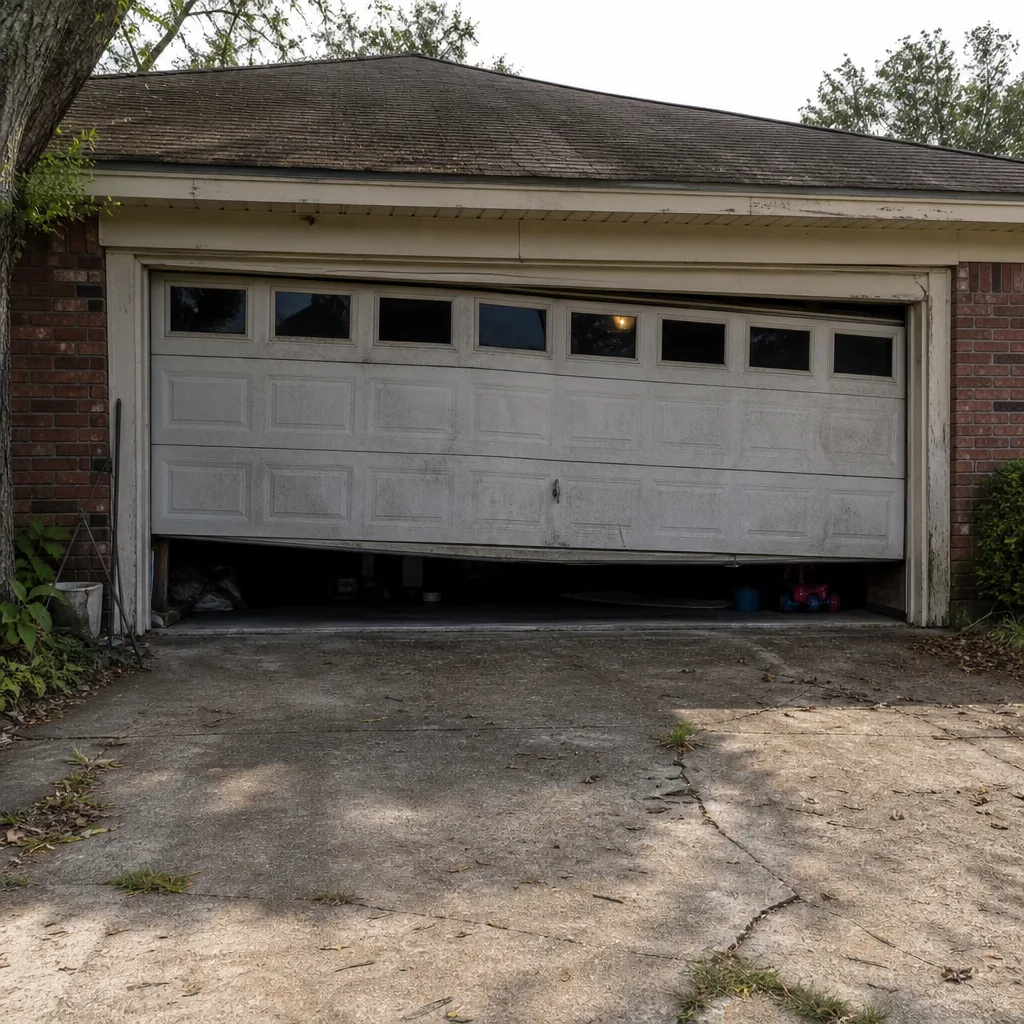 Before
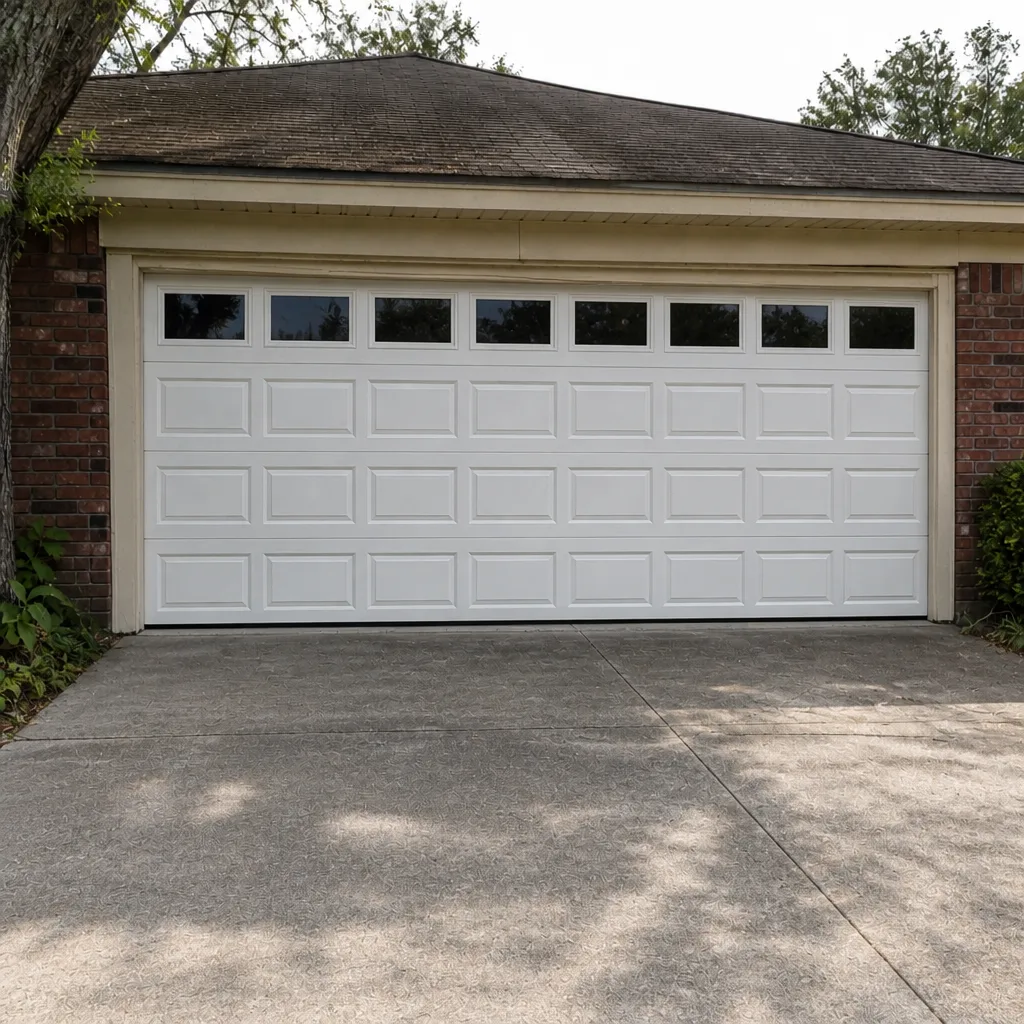 After
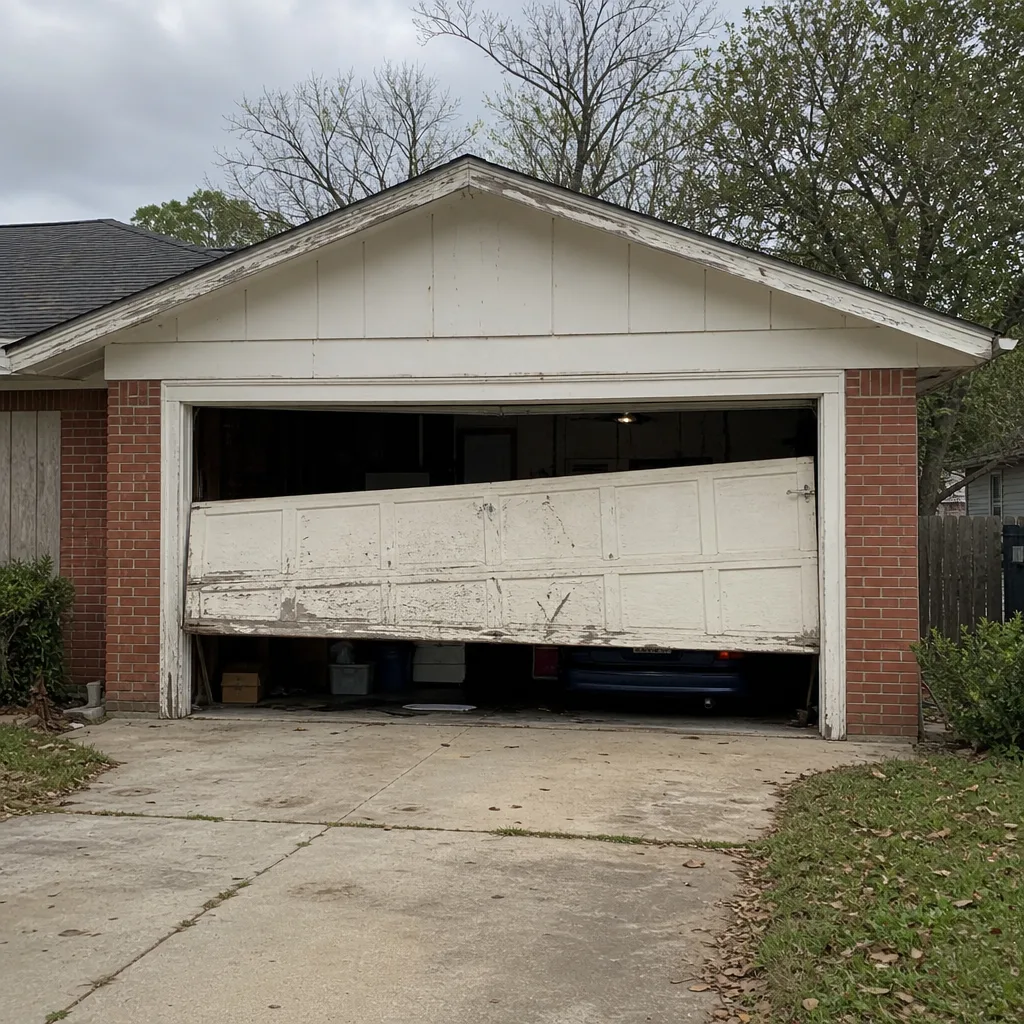 Before
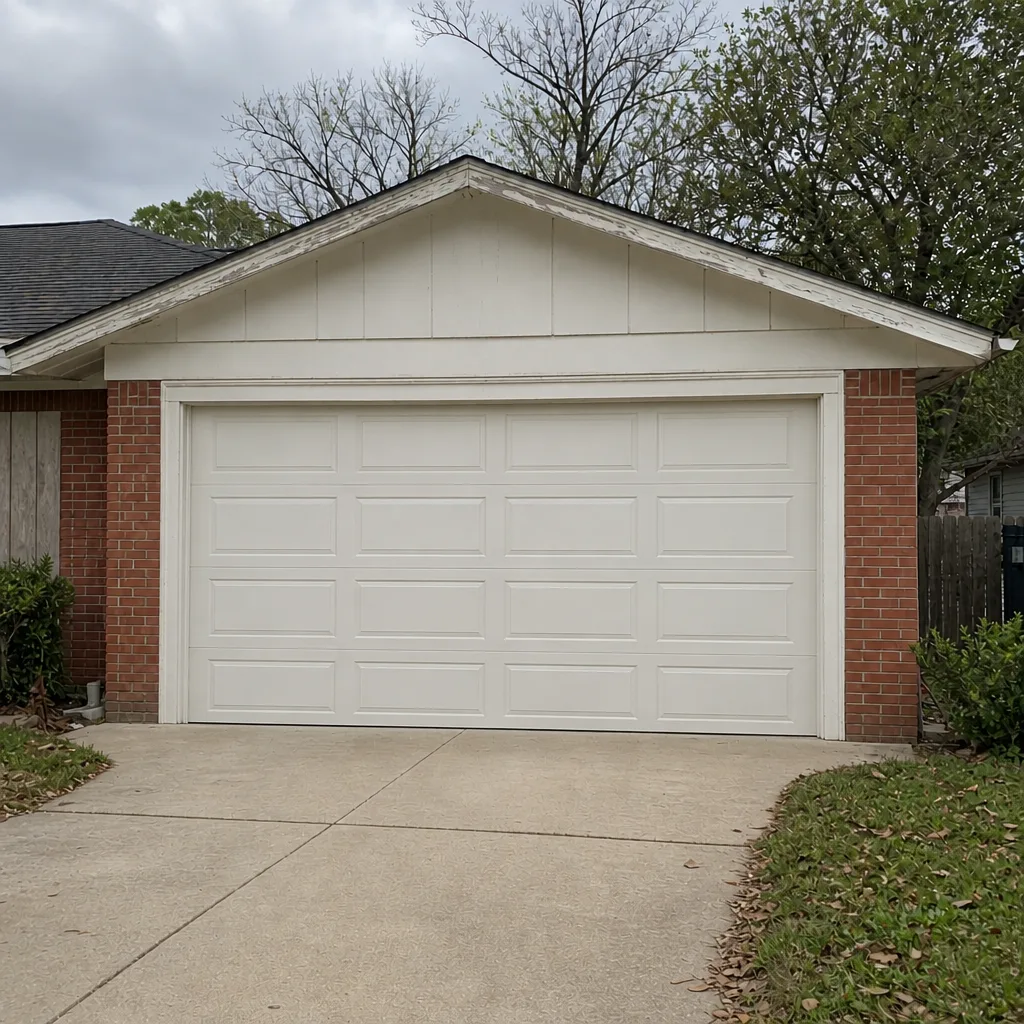 After
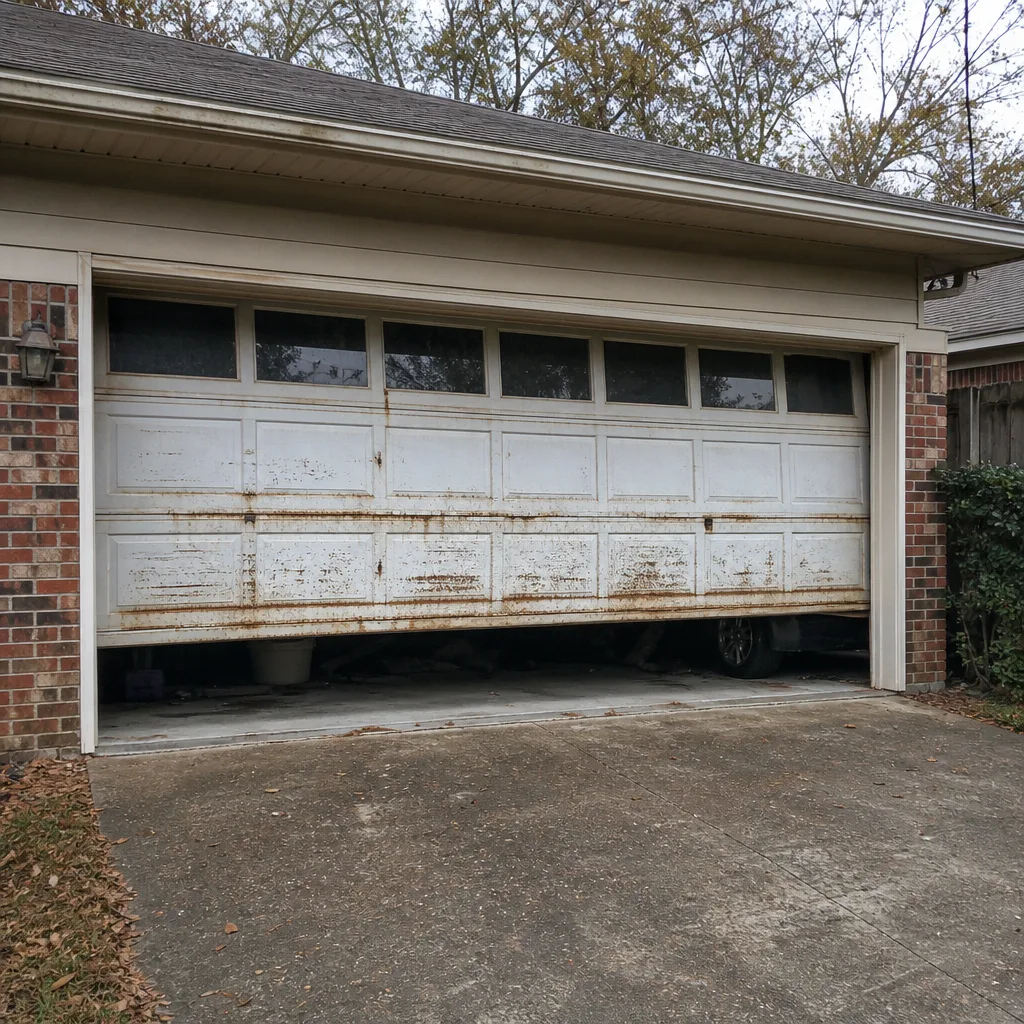 Before
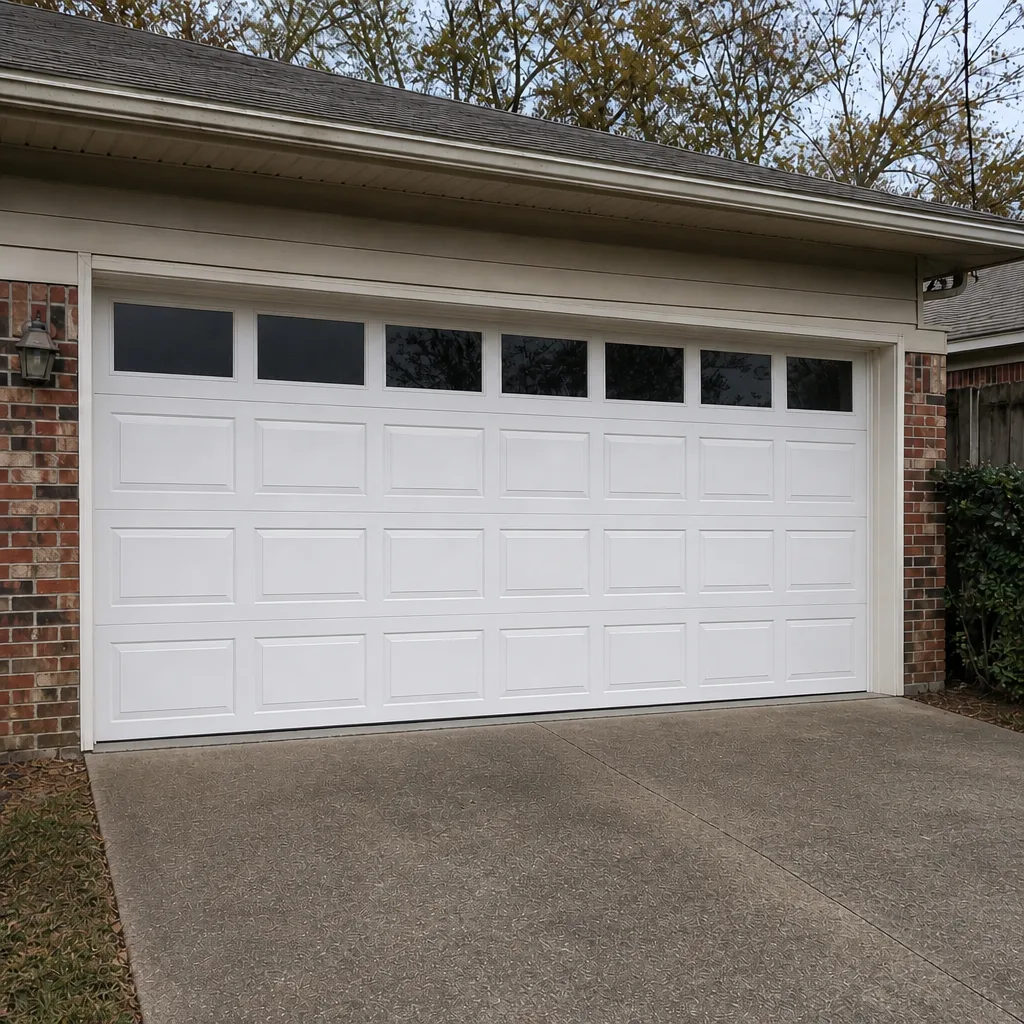 After
When to Call a Professional
Some of the schedule is DIY-friendly: monthly visual checks, semi-annual lubrication, the balance test. Some of it isn’t. Call a technician if you notice any of the following:
- A torsion spring with a visible gap, or a loud bang from the garage with no one inside.
- A cable that’s frayed, kinked, or has come off the drum.
- The balance test shows the door dropping fast or rising on its own.
- The door reverses on its own, doesn’t reverse when it should, or stops partway.
- The opener runs but the door doesn’t move, or the opener strains audibly.
- Track damage, a visibly bent panel, or a door that no longer closes flush to the floor.
- Any work that involves the spring tension system or the opener’s internal motor.
Mobile Garage Door Service offers free estimates in Mobile – call (877) 367-4142. We come to you, diagnose on site, and give you a clear written estimate before any work begins. Whether you have a Genie opener that’s due for a motor check, a Clopay door that needs new weatherstripping, or something that’s just started making a noise you don’t recognize, one call covers it. Our technicians have up to 11 years of experience across the major brands, and garage doors are all we do.
Frequently Asked Questions
Twice a year, at the semi-annual check. Lubricate hinges, rollers, and springs with a lithium-based grease or silicone spray – not the track. In Mobile’s humid climate, the springs benefit from a light coat as much for moisture protection as for lubrication. If your door gets heavy use, you can do the hinges and rollers at the quarterly check instead.
No. The track should stay dry. Grease on the rails makes the rollers skid instead of roll, which wears them out faster and puts extra load on the opener. If your track has old grease on it, wipe it down with a dry cloth and leave it dry. This is the most common garage door maintenance mistake we see.
Check the cycle count, not the calendar. Torsion springs are rated in cycles (one open plus one close), and a standard spring is typically rated somewhere in the 10,000-cycle range. If your door opens and closes six times a day, that’s roughly 2,190 cycles a year, so a standard spring may last a few years. If you can’t find the rating on the spring, a technician can estimate the remaining life during the annual inspection. When one spring of a matched pair is due, replace both.
It’s a simple check: disconnect the opener, lift the door to waist height, and let go. A balanced door stays roughly where you left it. A door that drops or rises is out of balance, which forces the opener to do lifting work it wasn’t designed for. Doing this twice a year is the single best thing you can do to extend your opener’s motor life.
The heat and humidity change two things. First, the weatherstripping at the bottom and sides of the door degrades faster here than in drier climates, so check it twice a year and plan on replacing the bottom seal every five to seven years. Second, cable and spring inspection in late spring – before hurricane season – matters more here, because storm loading tests every part of the door at once.
Yes. That’s the model we work on – a technician comes to your driveway, inspects the door and opener on site, and gives you a written estimate before any work begins. No dropping the door off anywhere, no shop visit. Call (877) 367-4142 to book an inspection. Free estimates, and we work on all the major brands including Wayne Dalton, Amarr, Clopay, Genie, LiftMaster, Chamberlain, Craftsman, and Raynor.
The Bottom Line
A garage door doesn’t need much attention, but it does need the right attention at the right interval. The schedule is simple: five-minute visual check every month, mechanical checks (balance test, roller inspection, hardware torque, lubrication) twice a year, and a professional inspection once a year. Keep the track dry, lubricate the hinges and springs, watch the balance test, and know the cycle count on your springs so replacements show up on the calendar before they become emergencies. In Mobile, add a pre-hurricane cable check in late spring and a post-summer weatherstripping check in mid-fall. None of it takes much time, and all of it keeps the biggest moving object in your house running the way it’s supposed to.
Contact Us
If anything in this guide raised a question about your own door, the fastest way to get an answer is to call. Mobile Garage Door Service is a garage door specialist that comes to you – repair, opener repair, and full installation, all handled by the same team. We service all the major brands, and our technicians have up to 11 years of experience. Call (877) 367-4142 for a free estimate. We answer 24/7. Fast dispatch from 7am to 7pm, Sunday through Friday. Estimates are quoted and agreed before any work begins, and the written estimate sets the price. Whether you’re in Mobile proper or anywhere in the surrounding area, Mobile Garage Door Service can get you back up and running.
Written by the team at Mobile Garage Door Service.