
Last updated November 15, 2026
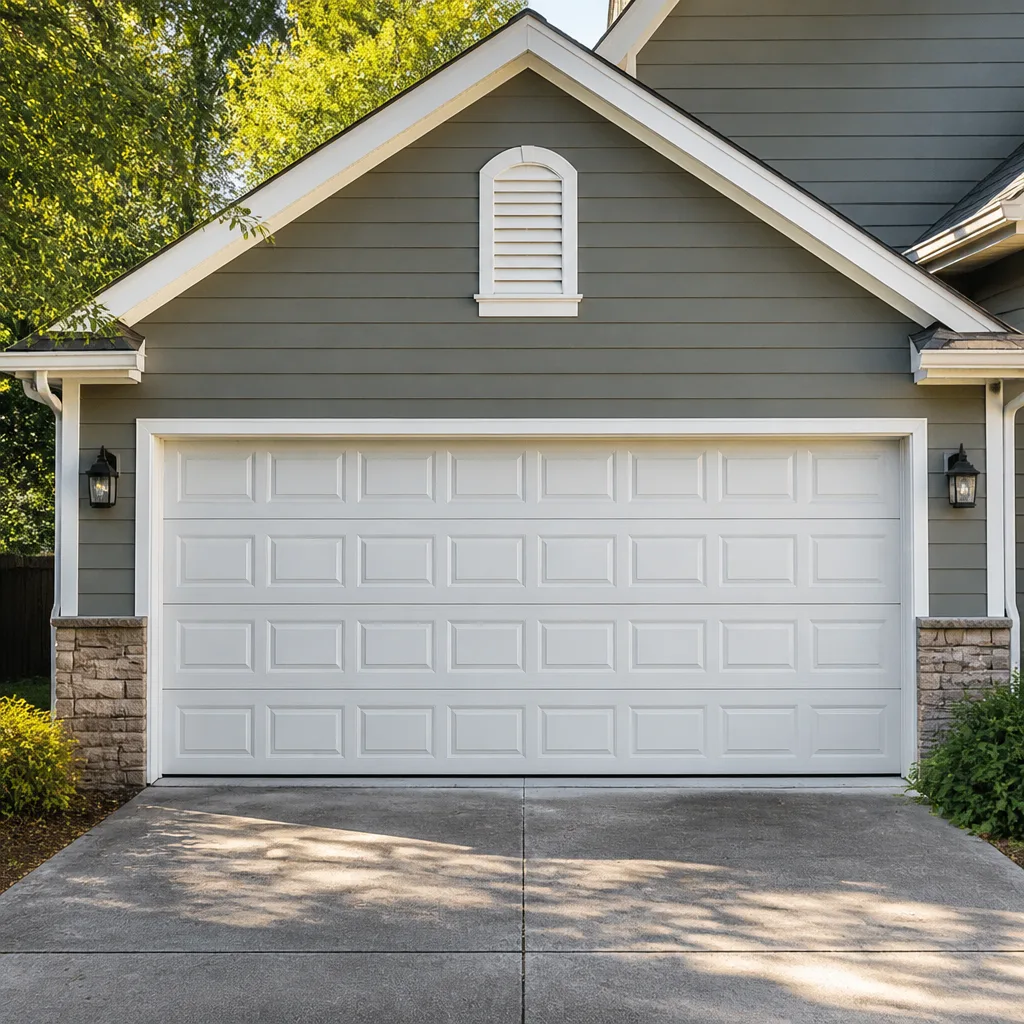 Raised-panel steel
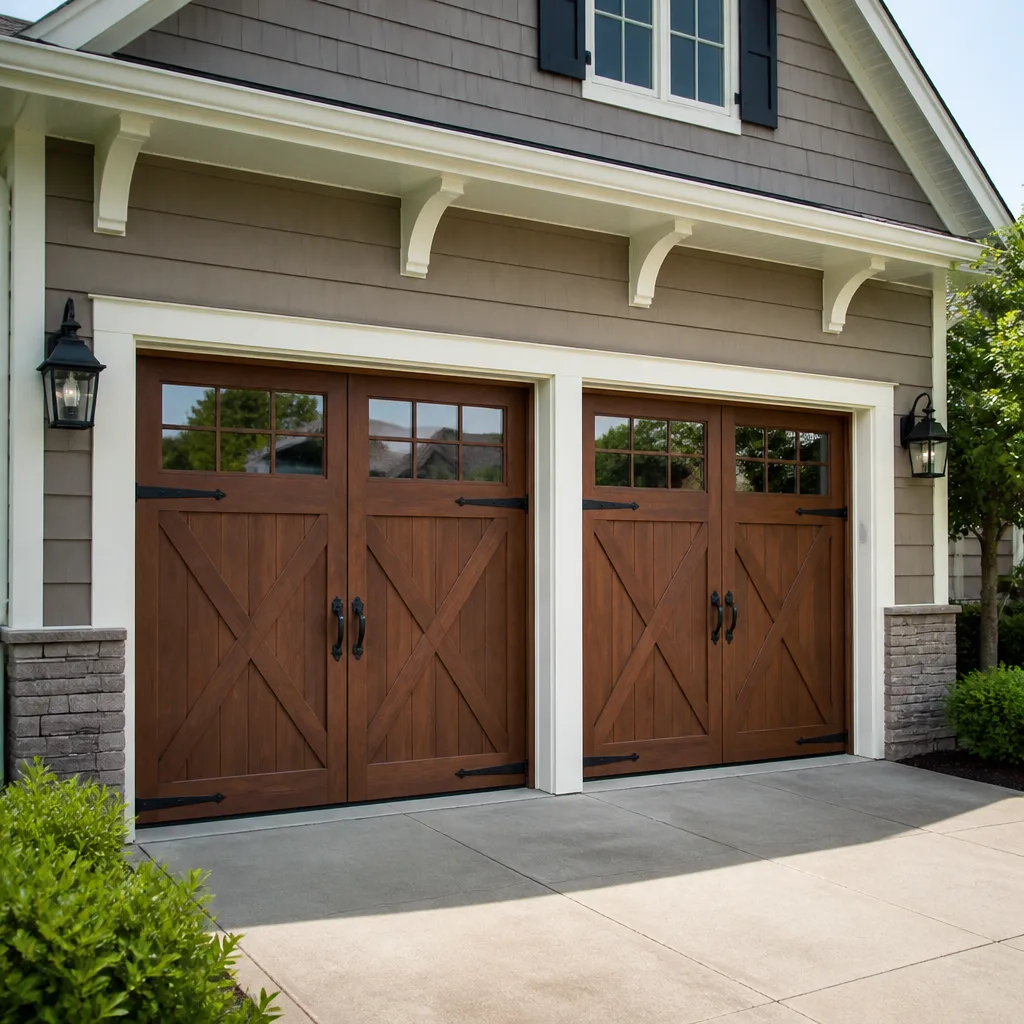 Carriage house
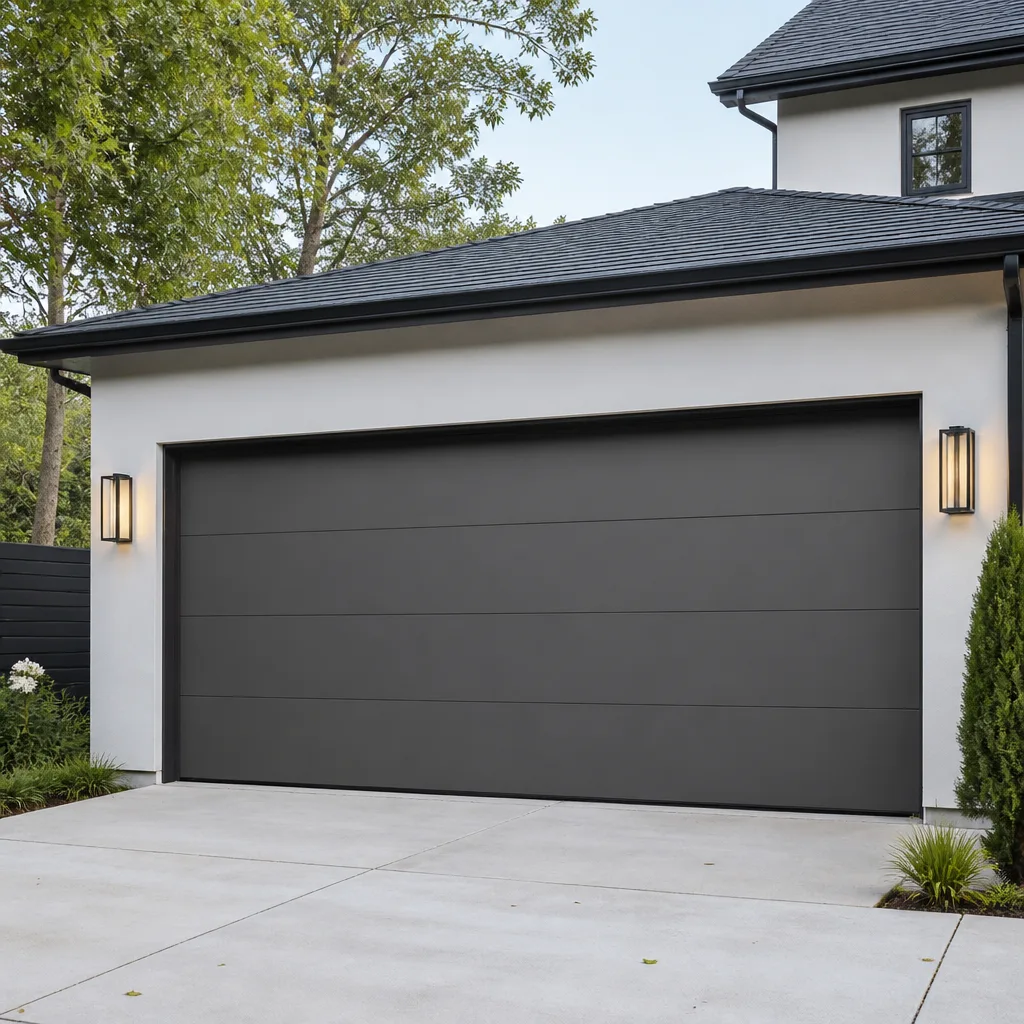 Modern flush
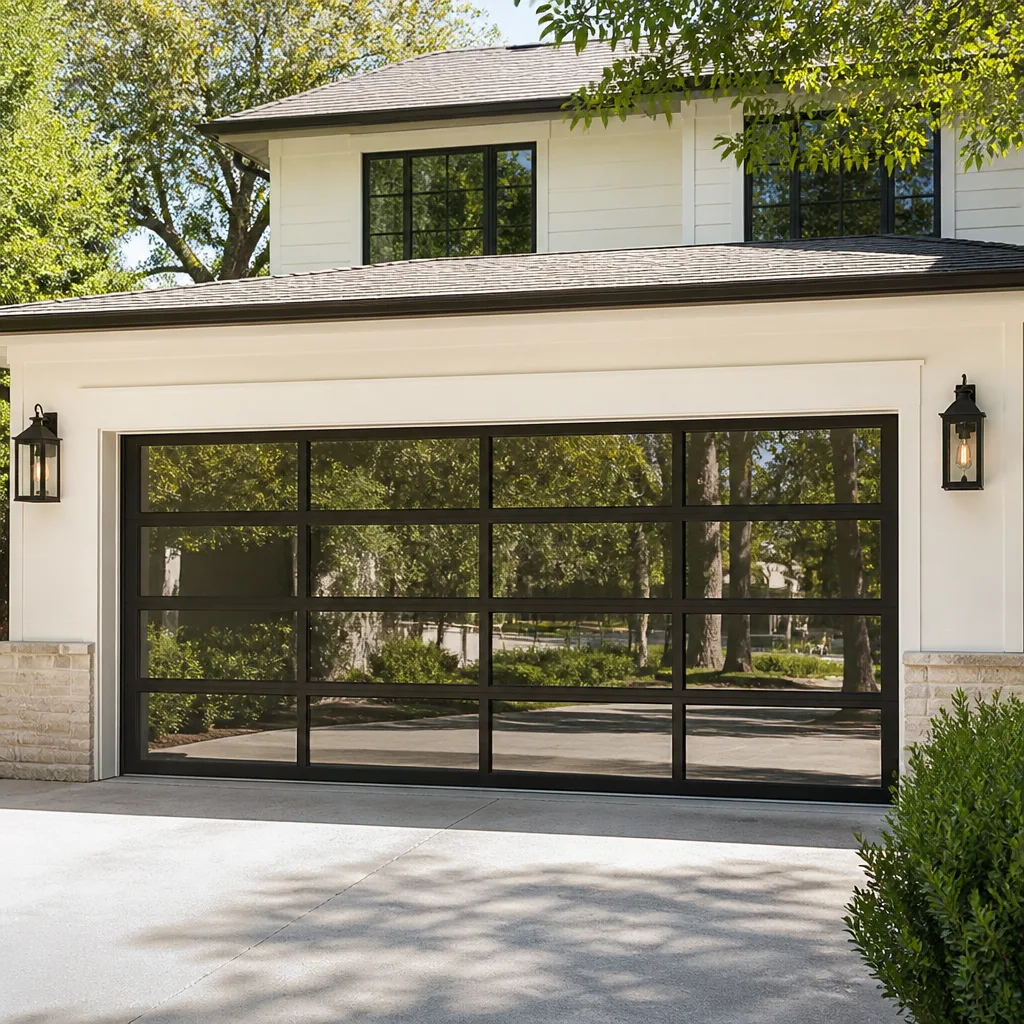 Full-view glass
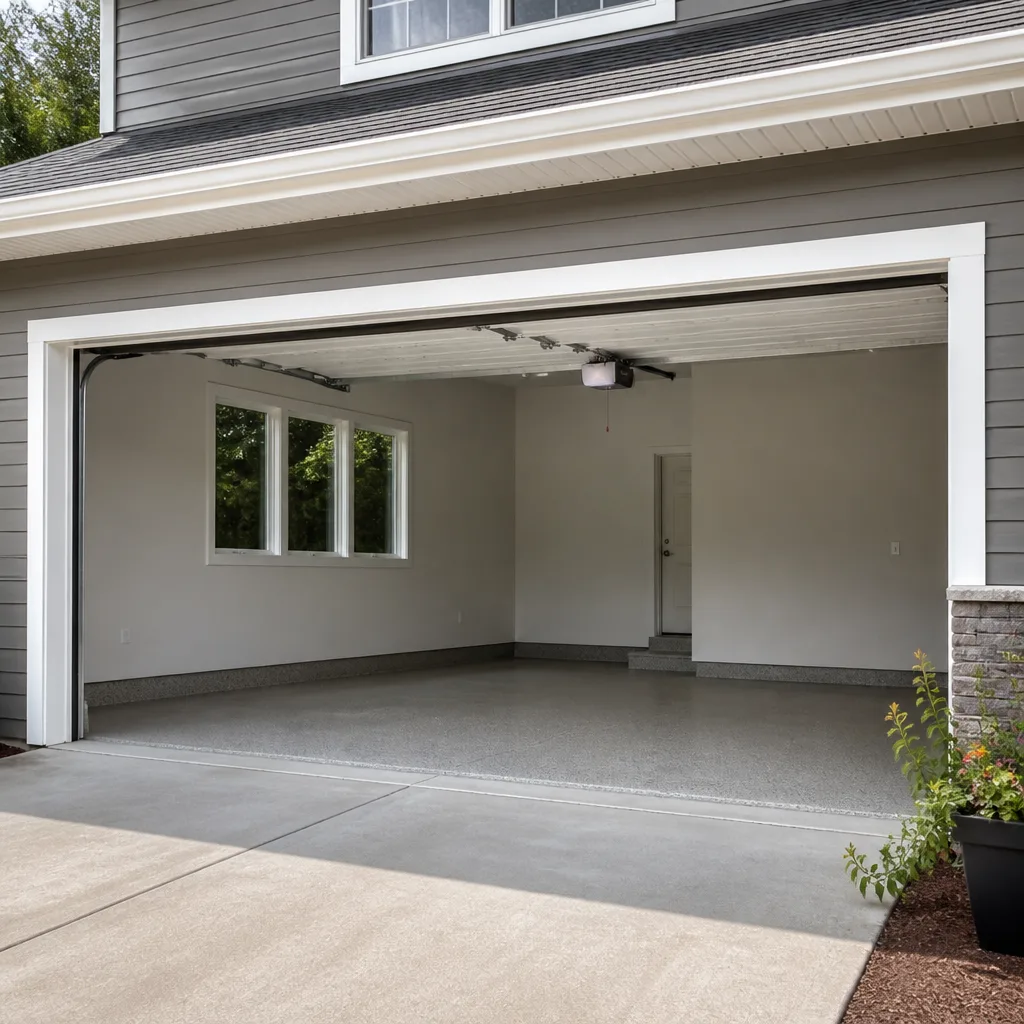 LiftMaster openers
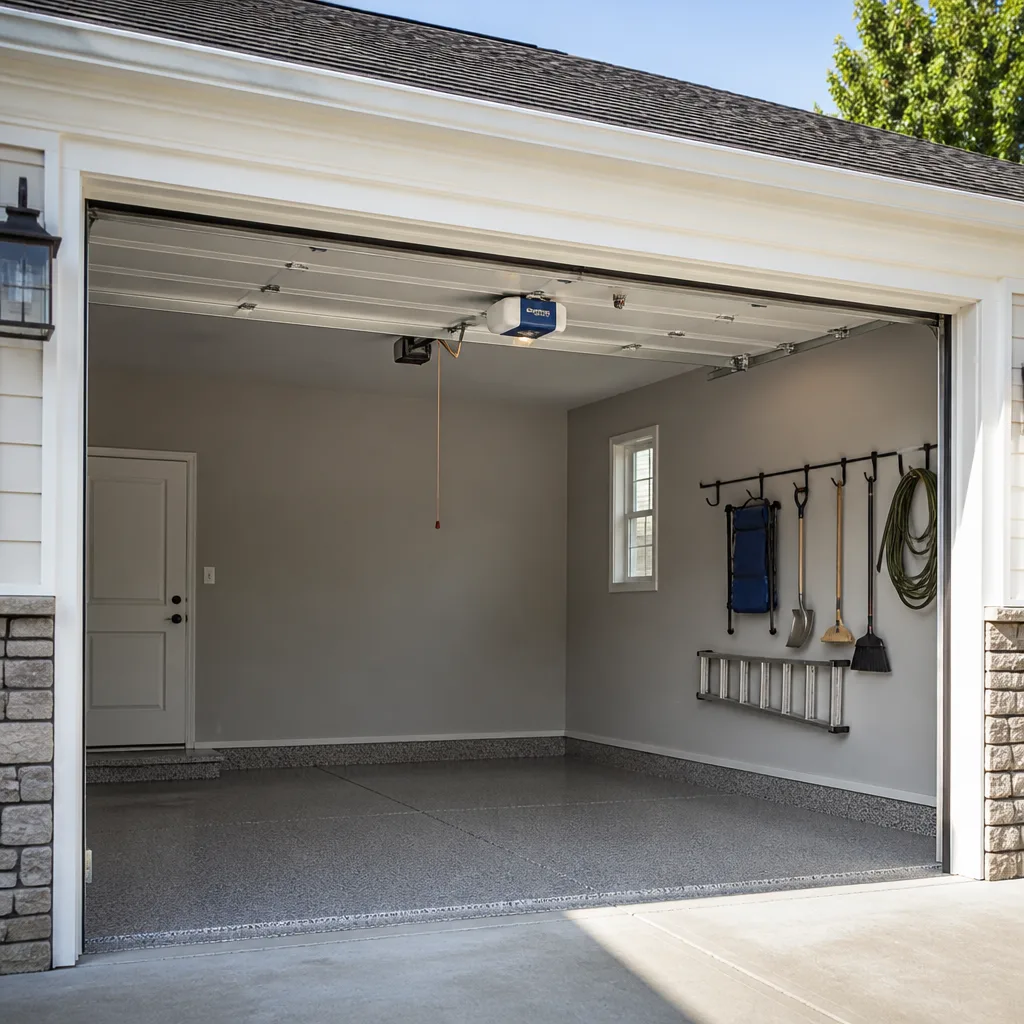 Chamberlain openers
Full 25-point door and opener safety check with every visit - springs, cables, rollers, tracks, and your LiftMaster or Chamberlain opener included
You get a price before we start. It does not change when the pro arrives.
Get your free estimateThe Complete Guide to Garage Doors in Mobile
Most garage door guides online were written for Phoenix or Denver, and reading them in Mobile feels like getting advice from someone who’s never stepped outside. The standard line is that rust comes from washing your door too often and that humidity is a minor nuisance. Both are wrong here. Mobile’s climate – long humid stretches, heavy seasonal rain, and storm systems that roll in off the Gulf – puts stresses on garage doors and openers that a national checklist never addresses. Humidity changes how wood and steel behave. Storm season changes how you should think about wind loading. Older housing stock near the bay changes what will actually fit in your opening. This guide walks through what we’ve learned working on doors across Mobile, from the neighborhoods close to the water to the newer subdivisions inland, and what that means for choosing, maintaining, and repairing yours.
Quick Answer
Garage doors in Mobile fail faster on their hardware – springs, rollers, hinges, and cables – than in drier climates because sustained humidity and airborne moisture accelerate corrosion, and openers work harder through hot, humid cycles. A door that would last 10 to 15 years in a dry city often needs hardware replacement sooner here, and choosing materials and opener types suited to coastal conditions matters as much as choosing the right style. The right door for Mobile is a specific answer, not a generic one.
Key Takeaways
- Humidity and Gulf weather accelerate corrosion on springs and hardware in Mobile more than in inland cities.
- Material choice (steel gauge, insulation, wood species) matters more here than in dry climates.
- Hurricane season and everyday door choice overlap – wind rating and daily wear aren’t separate conversations.
- Homes built before 1990 often need careful measuring before any replacement, because door sizing was less standardized.
- Belt-drive openers generally handle Mobile’s hot, humid cycles with less noise and vibration than chain drives.
- Repair, opener service, and full installation all happen on-site – no shop drop-off.
Styles & brands we work with
- Raised-panel steel
- Carriage house
- Modern flush
- Full-view glass
- LiftMaster openers
- Chamberlain openers
Table of Contents
- How Mobile’s Humidity Affects Garage Doors
- Choosing a Door Material for Mobile’s Climate
- Storm Season and Everyday Door Choice
- Which Opener Drive Type Holds Up Best
- What Older Mobile Homes Mean for Replacement
- Repair or Replace? A Mobile Decision Guide
- An Annual Maintenance Routine for Coastal Living
- What Garage Door Work Typically Costs in Mobile
How Mobile’s Humidity Affects Garage Doors
Mobile sits about 30 miles from the Gulf and averages roughly 65 inches of rain a year, so your garage door lives in a wetter environment than almost any national guide accounts for. That matters most in three places: torsion springs, hinges and rollers, and the bottom section of the door itself. Where the door touches the ground and where hardware collects condensation are the first things to go.
Springs are the component homeowners notice first, but the metal brackets, the hinges between panels, and the track’s lower section corrode at least as fast. In Mobile, the cycle of humid air, overnight temperature drops, and heavy rain puts moisture on raw steel repeatedly. Over years, that adds up to a door that runs rough, sticks, or sounds louder than it used to. The fix isn’t a cosmetic one – worn or rusted hardware puts stress on the opener and shortens its life along with the door’s.
What actually helps:
- Galvanized or zinc-plated hardware instead of raw steel, wherever you have the choice.
- Nylon rollers instead of steel ones – they don’t rust and they run quieter, particularly around the bay.
- A weather seal at the bottom that hasn’t cracked, since a bad seal lets rain-driven moisture into the garage and onto the door.
- Periodic lubrication of hinges, rollers, and springs with a product made for garage doors, not general-purpose oil that attracts grit.
The coastal effect is real, and we see it in doors that live within a few miles of the water versus doors further inland in Mobile – the difference in hardware lifetime is noticeable. None of this means you need to replace everything early. It means maintenance intervals in Mobile are shorter than a national checklist suggests.
Choosing a Door Material for Mobile’s Climate
The romance of a wood door fades fast in a humid climate. That’s the honest answer for Mobile. Wood is beautiful and it works, but it demands more from you here than it would in Birmingham or Huntsville. Wood absorbs moisture and expands; when humidity drops, it contracts. Over a few years, that cycle opens seams, loosens joints, and starts paint failures. A wood door in Mobile isn’t a mistake – it’s a commitment. If you choose it, plan on repainting or resealing more often than a guide from a dry market would suggest, and pay attention to the bottom rail where rain collects.
Steel is the most common choice, and it holds up well here – with one condition: gauge matters. Thinner steel doors dent more easily and go into service with less structural strength, which shows up sooner in a humid climate. Insulated steel doors with a good factory finish and galvanized hardware usually perform well in Mobile for years with basic maintenance. The coating on the steel is what protects it, so a scratched door near the harbor should get touched up sooner than one elsewhere.
Aluminum doors resist rust well but dent more easily. Fiberglass and composite doors handle humidity without rusting at all, though they can be less structurally stiff in larger sizes. Wayne Dalton and Raynor both make models in materials suited to coastal conditions, and so do the other major manufacturers. We work with whatever brand and style you already have or want – the key is matching the material to Mobile, not to a showroom.
What actually drives the choice in Mobile:
- Rust resistance: galvanized or coated hardware, aluminum or composite panel construction where weight allows.
- Insulation: a garage that sits over living space or next to a bedroom benefits from an insulated door that also slows heat transfer.
- Finish durability: factory-applied finishes last longer than field-applied paint in humid climates.
- Wind load: covered in the next section.
Storm Season and Everyday Door Choice
Hurricane season and day-to-day garage door shopping are the same conversation in Mobile, but most people don’t treat them that way. When a wind event moves through, a garage door is one of the weakest points on a home – once it opens, wind pressure enters the house and the consequences are severe. That’s why door selection in a coastal city needs to factor in how a door will perform under wind load, not just how it looks and how much it costs.
There are two ways to think about it. First, if you’re replacing a door and want a wind-rated model, ask about the specific ratings available for the size you need – the answers vary by manufacturer, panel design, and opening width. Second, if you already have a door that’s working well, the maintenance decisions matter more than a replacement: a properly adjusted door with intact seals, sound hinges, and a functioning opener with safety reversal closes more reliably when the weather turns.
In Mobile, we hear the storm question from homeowners in every neighborhood, from areas closest to the bay to subdivisions further inland near Tillman’s Corner and west toward Schillinger. The common thread is that the door everyone thinks about once a year needs to work well the rest of the year too. A wind-rated door that’s poorly installed or out of adjustment does you less good than a standard door that’s tuned to close completely and hold.
Practical points we cover with homeowners considering a new door in Mobile:
- Check with the manufacturer whether the specific model has a wind rating for the size and style you’re selecting.
- Look at the opening – reinforcement at the header and jamb affects how a door performs under load, and older openings sometimes need attention before a heavier door is installed.
- Mechanical and opener reliability in a storm come down to routine service, not a last-minute fix.
- Weather seals and the bottom threshold aren’t only moisture protection – they help a door seal tight against wind-driven rain.
Which Opener Drive Type Holds Up Best
Belt-drive openers usually win for Mobile homes, especially where the garage shares a wall with a bedroom. The belt runs quieter than a chain and creates less vibration, which matters less in a dry climate and more here, where high heat and humidity add strain. Chain-drive openers are rugged and cost less upfront, but they’re louder and the chain itself benefits from good maintenance in a humid environment. Screw-drive openers are dependable and low-maintenance in most cases. Jackshaft openers (which mount on the wall beside the door and turn the torsion bar directly) are increasingly popular for high-lift or specialty applications.
Brand matters less than choosing a drive type that suits the door and your tolerance for noise. LiftMaster and Chamberlain both make belt-drive models in the widest range of sizes, and Genie and Craftsman also offer options that perform well here. What does matter in Mobile’s heat: keeping the opener’s safety sensors clean and aligned, checking the auto-reverse periodically, and not ignoring strange sounds. An opener that’s working hard tells you before it fails.
How we approach opener service in Mobile:
- Identify the door’s weight and balance first – an opener that’s fighting an unbalanced door wears out quickly, in any climate.
- Test the opener’s safety reverse and force settings to make sure they match the door after any hardware change.
- Check the drive type against the homeowner’s noise tolerance and door duty cycle.
- If a replacement makes sense, recommend the drive type that fits the existing door and home, not the most expensive one available.
Our approach to garage door opener repair starts with an on-site diagnosis, and we don’t push replacement when a repair will do.
What Older Mobile Homes Mean for Replacement
Much of Mobile’s housing stock – especially in established neighborhoods like Oakleigh, Midtown, and the older sections around Dauphin Street and Springhill – was built before 1990, and garage door openings from that era weren’t always standardized the way new construction is. What that means for you: a replacement door may not drop straight into the existing opening without adjustment. Headroom above the door, the width and height of the opening, the condition of the jamb, and the position of the torsion bar all need measuring before a door gets ordered.
In our experience working on garage door repair across these neighborhoods, the surprises usually come in one of three places:
- Headroom: older garage ceilings sometimes sit lower than modern standards assume, which affects which opener and track configuration will work.
- Opening size: a door measured at 7 feet wide might actually be 6 feet 10 inches, or a structural jamb might have shifted. Measuring carefully before ordering saves weeks of hassle.
- Header condition: wood or masonry headers behind the door frame can show moisture damage in older homes, and that needs addressing before a new door is hung on it.
Retrofit options exist for almost every case – low-headroom track configurations, high-lift kits, custom-sized doors, and extension-spring conversions where torsion doesn’t fit. But the right answer only comes from measuring first. That’s one reason we don’t quote garage door replacements by phone in Mobile: a good installation starts with an on-site measure, and the written estimate reflects what’s actually in your opening.
Repair or Replace? A Mobile Decision Guide
Repair is usually the right call when a single component is failing and the rest of the door is sound. A broken spring, a snapped cable, a worn roller, a noisy opener, an off-track door – all of those are repair jobs. Replacement makes more sense when panel damage is severe, when multiple hardware failures are showing up in the same year, when the door’s structure has been compromised by rust or rot, or when you’re changing materials or upgrading to a wind-rated model as part of a larger home project.
A simple way to think about it:
- One spring breaks, door otherwise healthy: replace both springs as a matched pair, check hardware, keep the door.
- Door jumps track or comes off the track once: repair the track, check the door’s balance and hinges, and look hard at what caused it.
- Opener noise, slow response, sensor problems: repair or replace the opener – the door itself may be fine.
- Visible rust creeping from the bottom panels upward: in Mobile, this is usually the point where replacement starts to pencil out over repeated repairs.
- Repeated hardware failures across multiple components: consider a new door rather than patching one section at a time.
We work on all major brands – liftmaster, Wayne Dalton, Amarr, Raynor, Craftsman – and we don’t have a reason to nudge you toward a replacement when a repair fixes the door. Brand-agnostic diagnostics is a core part of how we operate: we look at what you have, tell you what the fix is, and leave the decision to you.
One safety note worth stating plainly: torsion springs and cables are under high tension, and garage door repairs involving either of them are not a do-it-yourself project. We’ve heard it all from homeowners who tried – and in Mobile’s humidity, rusted fasteners make the job more hazardous, not less. A trained technician has the tools and the experience to handle them safely.
An Annual Maintenance Routine for Coastal Living
A garage door in Mobile needs more frequent maintenance than one in a dry climate, and doing it well takes twenty minutes of attention a couple of times a year. This isn’t about waxing the door – it’s about catching small problems before they cost you a spring, an opener, or an emergency repair.
Here’s the routine we recommend:
- Listen: open and close the door. A door that used to be quiet and now groans or squeaks is telling you something.
- Look at the hardware: hinges, rollers, and springs should be free of visible rust. If you see orange dust or flaking on the springs, they’re closer to failing than you think.
- Check the bottom seal: a cracked or hardened seal lets water into the garage and onto the door bottom – which is where rust starts.
- Test the balance: with the door closed and the opener disconnected (following the opener’s manual exactly), lift the door halfway. It should stay roughly in place. If it falls or flies up, spring tension needs adjustment.
- Test the safety reverse: place a piece of wood flat on the ground under the closing door; the door should stop and reverse when it contacts it.
- Lubricate sensibly: use a garage-door-specific lubricant on hinges, rollers, and the opener’s rail, not on the springs unless the manufacturer recommends it.
- Clean the sensors: wipe the photo-eye lenses; the dust and pollen that come with the season affect them more than most homeowners expect.
If any of those checks turns up something you’re not sure about, call us. A no-cost visit to look is far cheaper than waiting for a problem to become an emergency repair.
What Garage Door Work Typically Costs in Mobile
Garage door pricing depends heavily on the door’s size, brand, condition, and what’s actually failing. The right number for a specific job comes from an on-site measure and a written estimate, and the written estimate is the price. That said, brief general figures help a homeowner plan:
- Spring replacement (one spring): a typical single-spring repair falls into a mid-hundreds range; replacing both springs as a matched pair costs roughly twice that of a single spring.
- Cable replacement: priced per cable; the actual cost depends on the door’s configuration.
- Roller and hinge replacement: often bundled with a spring or tune-up service.
- Opener repair: varies by brand and the specific failure; a repair often costs less than a replacement.
- Opener replacement (installed): falls into a range that depends on drive type and accessories.
- New door installed: the largest expense in this category; a written estimate after an on-site measure is the only accurate number.
We don’t quote firm prices over the phone, because a door that looks like a simple spring job sometimes isn’t, and a door that looks complicated sometimes is. The point of the on-site visit is to give you a written price, agreed before any work starts, so there’s no surprise on the invoice.
Also worth knowing: installing and servicing garage doors is specialized work, and in most cities the local building department can tell you whether a permit is required for the specific project – a new door on an existing opening usually isn’t, but it’s worth asking before you commit. Your city’s building department is the right call for that question.
For a free estimate in Mobile, Mobile Garage Door Service is one call away. We come to you – dispatched to your driveway, not a shop you have to drive to. Or if you’re reading this from nearby, you can learn more about our service area on our Mobile page.
Common Mistakes to Avoid
- Ignoring rust until it’s structural. In Mobile’s humidity, rust on hardware is a maintenance signal, not cosmetic. Catch it at the hinge or roller level and it’s a cheap fix; wait until it reaches the springs or panels and it isn’t.
- Choosing a door purely on style. A beautiful wood door in a coastal climate is a maintenance commitment some homeowners don’t want to make. Ask about material performance before you fall for a finish.
- Replacing a door without an on-site measure. Older Mobile homes vary in opening size and headroom, and doors ordered from a catalog go back to the factory more often than they should.
- Doing spring repairs yourself. Torsion springs are under high tension and can cause serious injury – this is the one part of garage door work that belongs to a trained technician without exception.
- Choosing an opener on price alone. A loud chain-drive opener next to a bedroom is a decision you’ll regret. Match the drive type to the door and the household.
- Skipping the annual check because “it’s working fine”. In Mobile, a spring on the edge of failing works fine right up until it doesn’t. Checking twice a year keeps the surprises small.
- Hiring a handyman for garage door work. Garage doors are a specialized trade; the hardware is heavy, the springs are dangerous, and the opener repair calls for knowing the door’s balance, not just swapping a remote.
See the difference
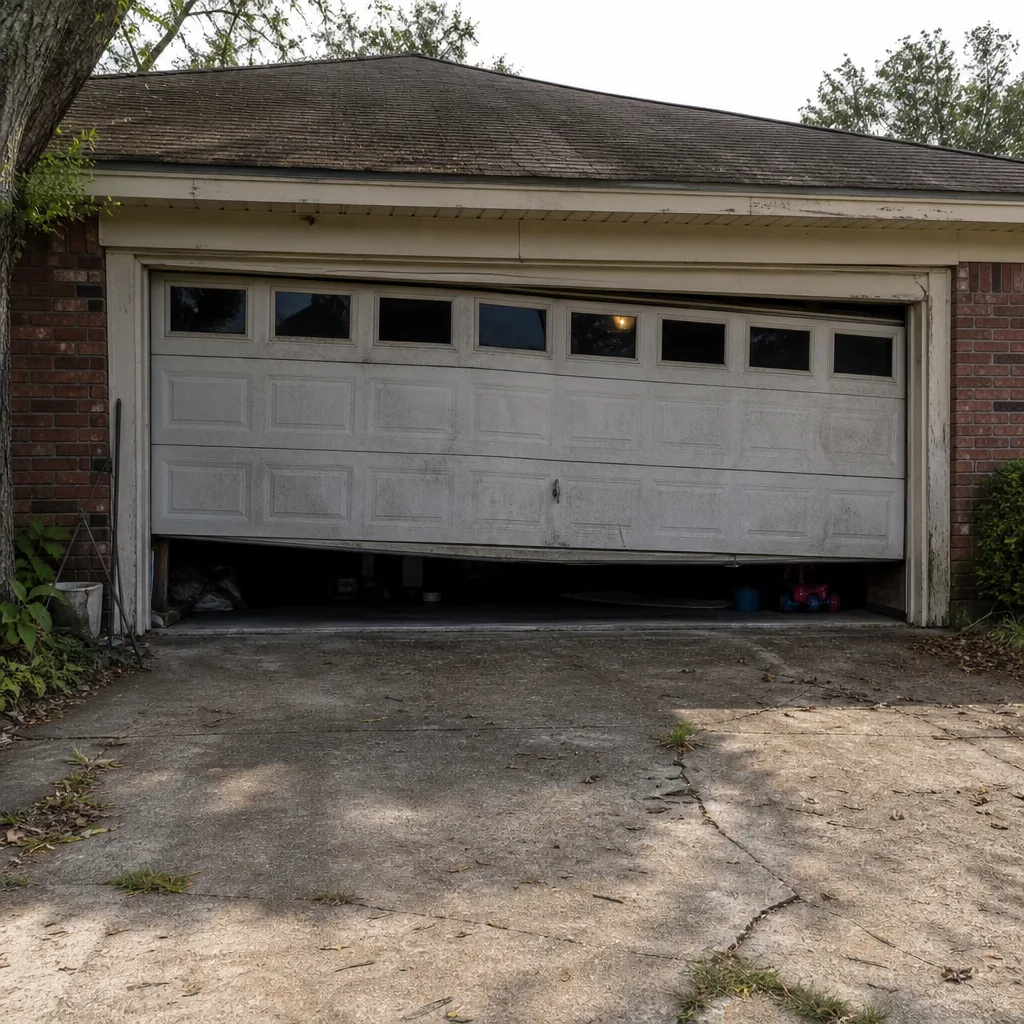 Before
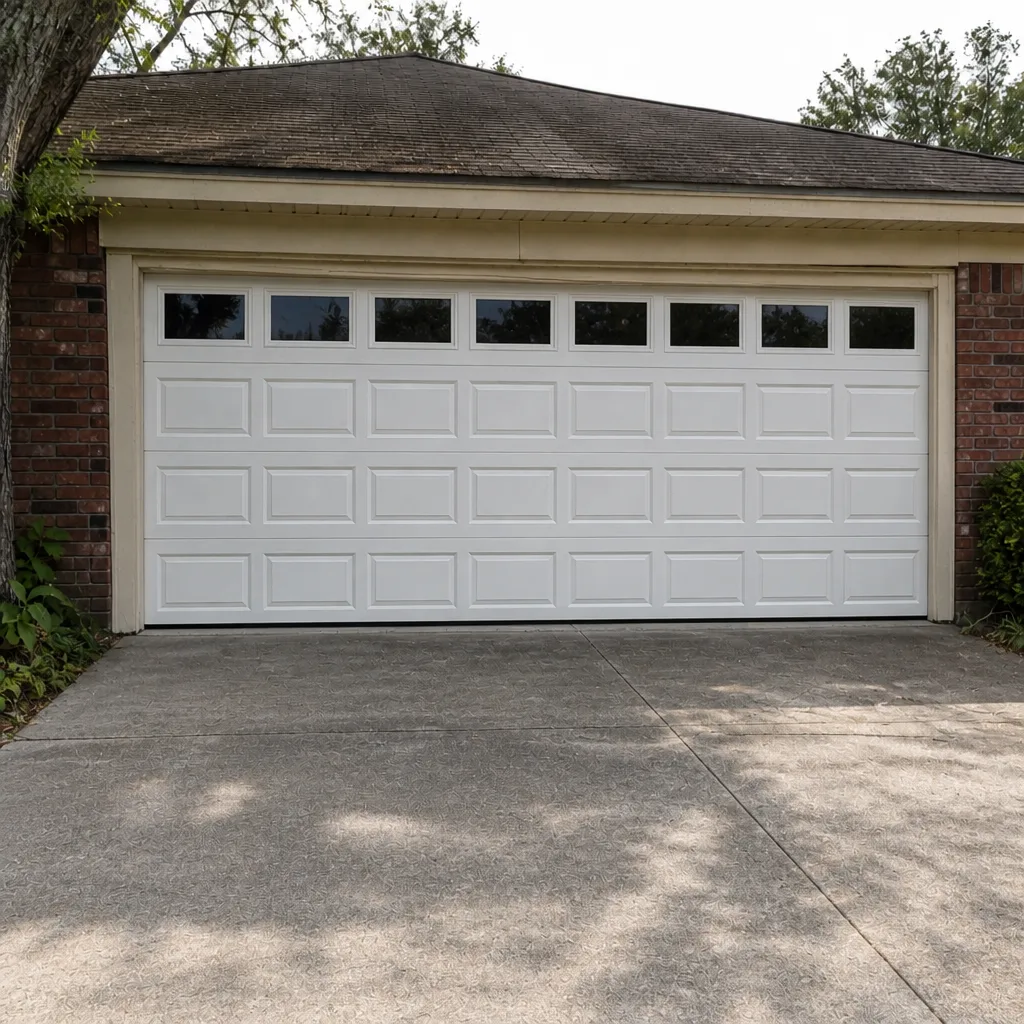 After
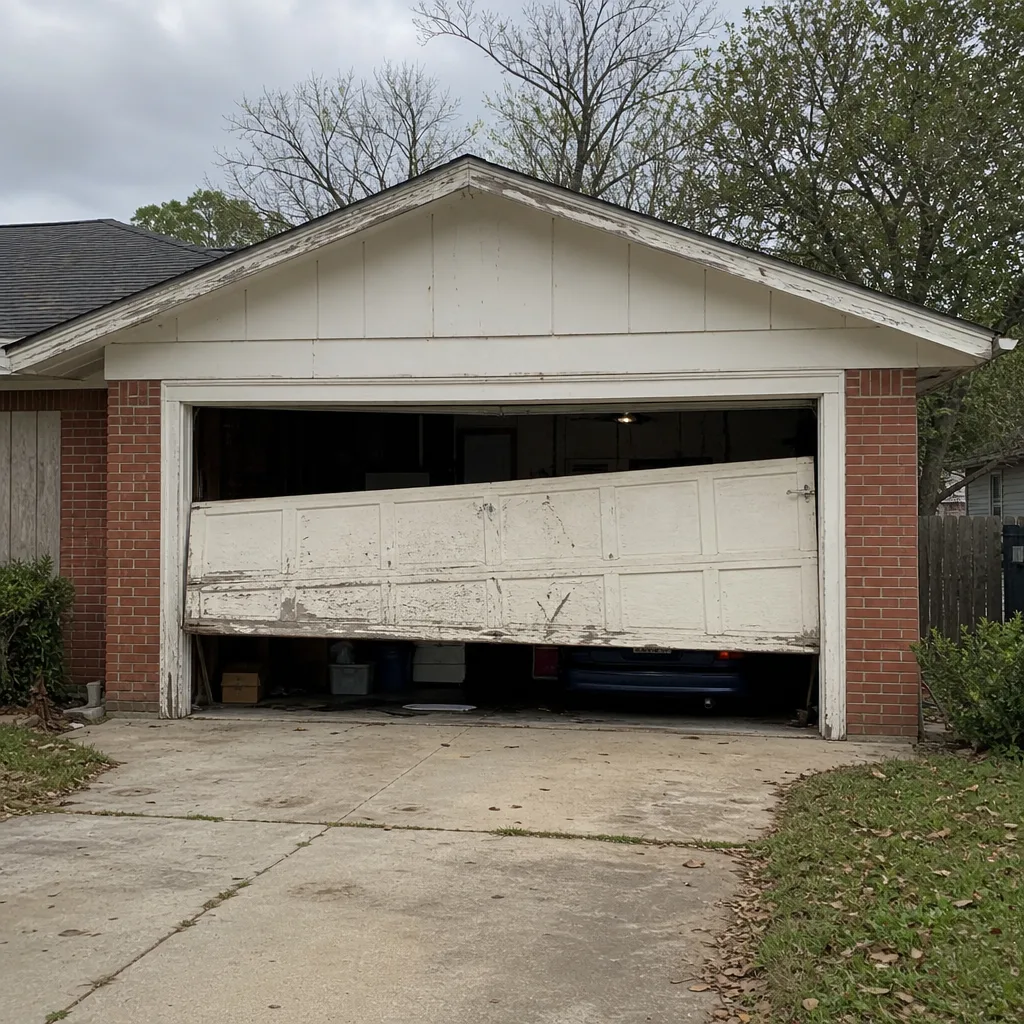 Before
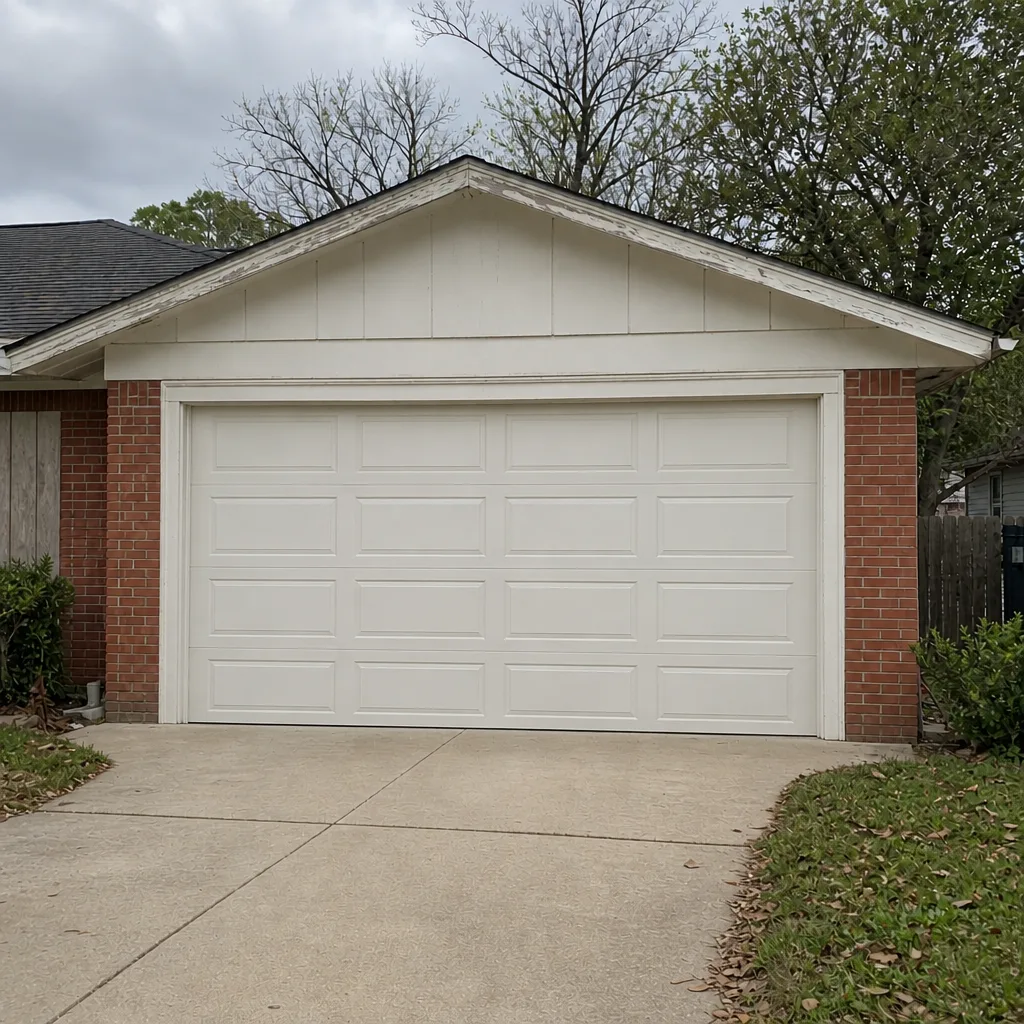 After
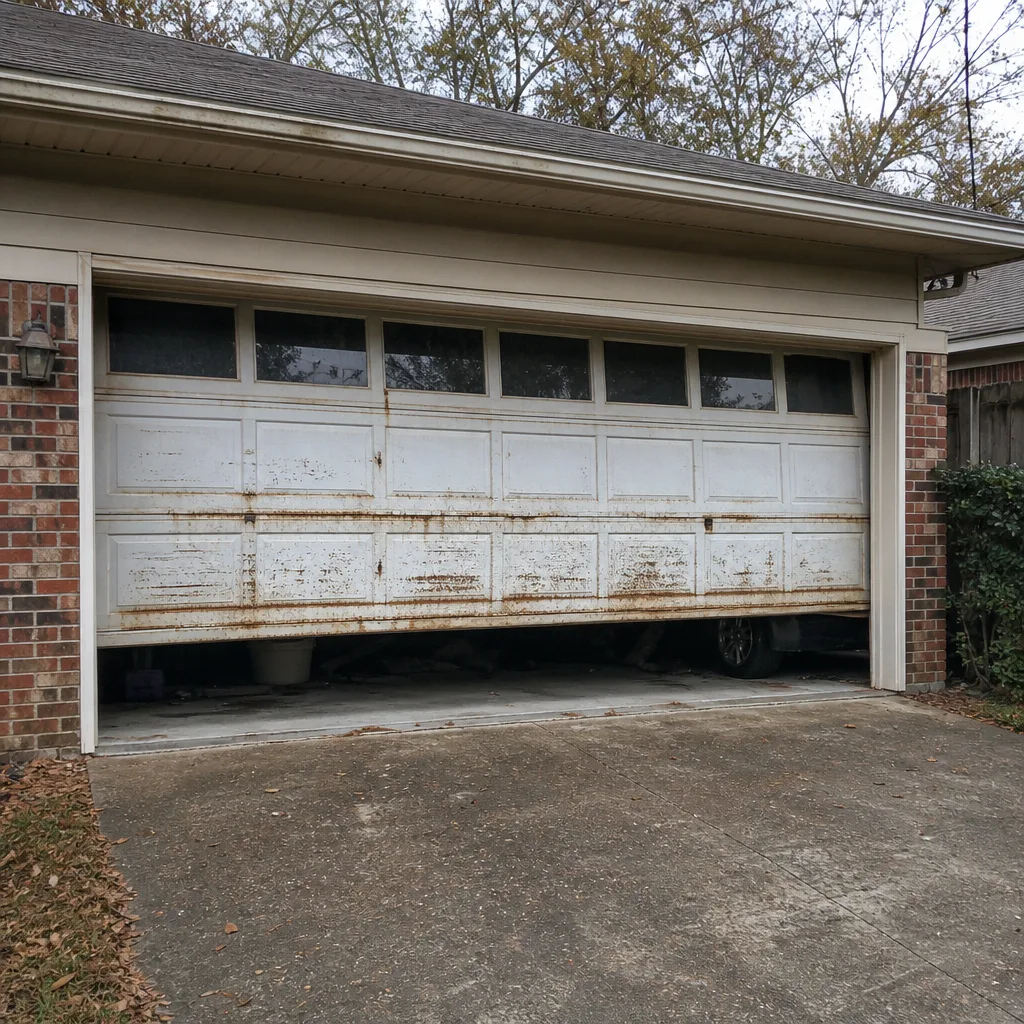 Before
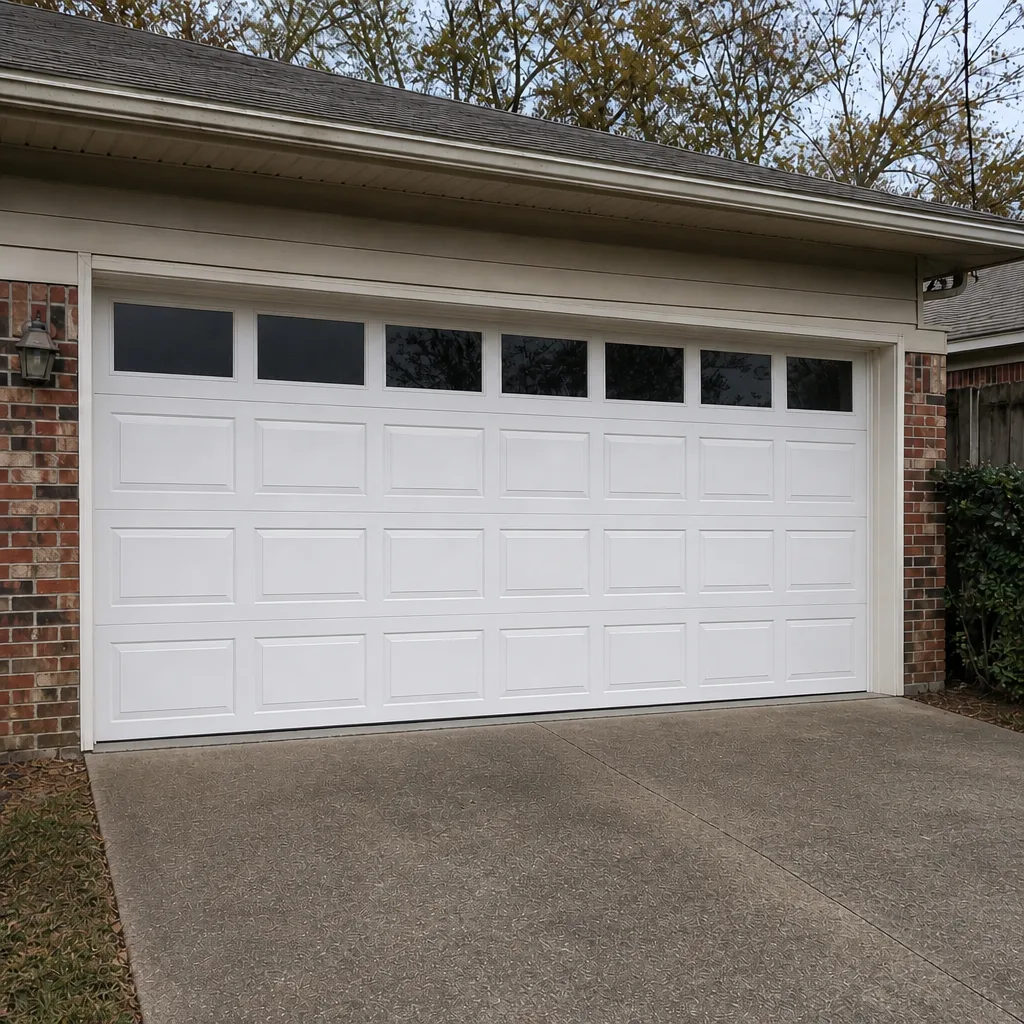 After
When to Call a Professional
If a spring has broken, a cable is snapped or fraying, the door has come off the track, the opener has stopped reversing on contact with the floor, or the door is stuck in a position it won’t move from, call us. Those are situations where the fix is unsafe to attempt yourself and where waiting makes things worse. Less urgent but still worth a call: a door that has gotten steadily louder, an opener that runs slow or makes new noises, a bottom seal that’s cracked, or visible rust on hardware that’s spreading. And any time you’re planning a new door, call before you order – measuring first saves weeks. Mobile Garage Door Service offers free estimates in Mobile. Call (877) 367-4142. We answer 24/7. Fast dispatch from 7am to 7pm, Sunday through Friday.
Frequently Asked Questions
Garage door springs in Mobile typically need replacing more often than springs in a dry climate, because humidity and moisture speed up corrosion on the steel. The exact interval depends on how often the door is used and how much moisture reaches the hardware. If you hear a crack, notice rust, or the door has suddenly gotten very heavy, call (877) 367-4142 for a free estimate – we come to you.
Not bad, but demanding. Wood absorbs moisture and expands, then contracts when the air dries out, which shortens the time between paint and seal jobs. Insulated steel, aluminum, and composite doors generally need less upkeep in Mobile’s climate. The right answer depends on your preferences and how much maintenance you want to take on. Call us for a free estimate and we’ll walk you through the options.
Many homeowners in coastal cities ask about wind-rated doors, and the answer depends on your home, your opening, and the specific door you’re considering – ratings vary by manufacturer and design. A properly adjusted and well-sealed door is also important regardless of rating. For a free on-site measure and a written estimate, call (877) 367-4142.
Belt-drive openers usually perform well in hot, humid climates because they run quietly and put less vibration on the door. Screw-drive and jackshaft openers are solid alternatives depending on the door’s configuration. Chain-drive openers work but tend to be louder. We work with the drive type that fits your existing door, and our technicians recommend what’s right for the door, not the priciest option. Call us for a free estimate.
No, but it needs care. Older homes in Mobile often have non-standard opening sizes, low headroom, or headers that need attention before a new door is installed. An on-site measure before ordering is essential. Call (877) 367-4142 for a free estimate and we’ll measure the opening and give you a written price before any work begins.
Yes. We handle repair and replacement for the major opener and door brands, including LiftMaster, Chamberlain, Genie, Clopay, Amarr, Wayne Dalton, Craftsman, and Raynor. Our technicians come to your home, diagnose the actual problem, and recommend a fix – repair first when it makes sense. Same-day service is often possible. Call (877) 367-4142 for a free estimate.
The Bottom Line
Garage doors in Mobile face conditions most national guides never address: sustained humidity, storm-season wind, and older homes with openings that need careful measuring. If you take one thing from this guide, take this: choose materials and hardware for the climate, maintain the door off-season and on, and don’t guess at the hard parts – springs and cables are for a trained technician. Everything else – a new door, an opener repair, a tune-up, a set of rollers – we come to you, and whatever brand you have, we’ll work on it. Garage doors are all we do, and technicians on our team have up to 11 years of experience.
Whether your door is groaning, stuck, or overdue for a replacement, one call covers it. Call (877) 367-4142 for a free estimate. We answer 24/7. Fast dispatch from 7am to 7pm, Sunday through Friday.
Written by the team at Mobile Garage Door Service.