
Last updated November 15, 2026
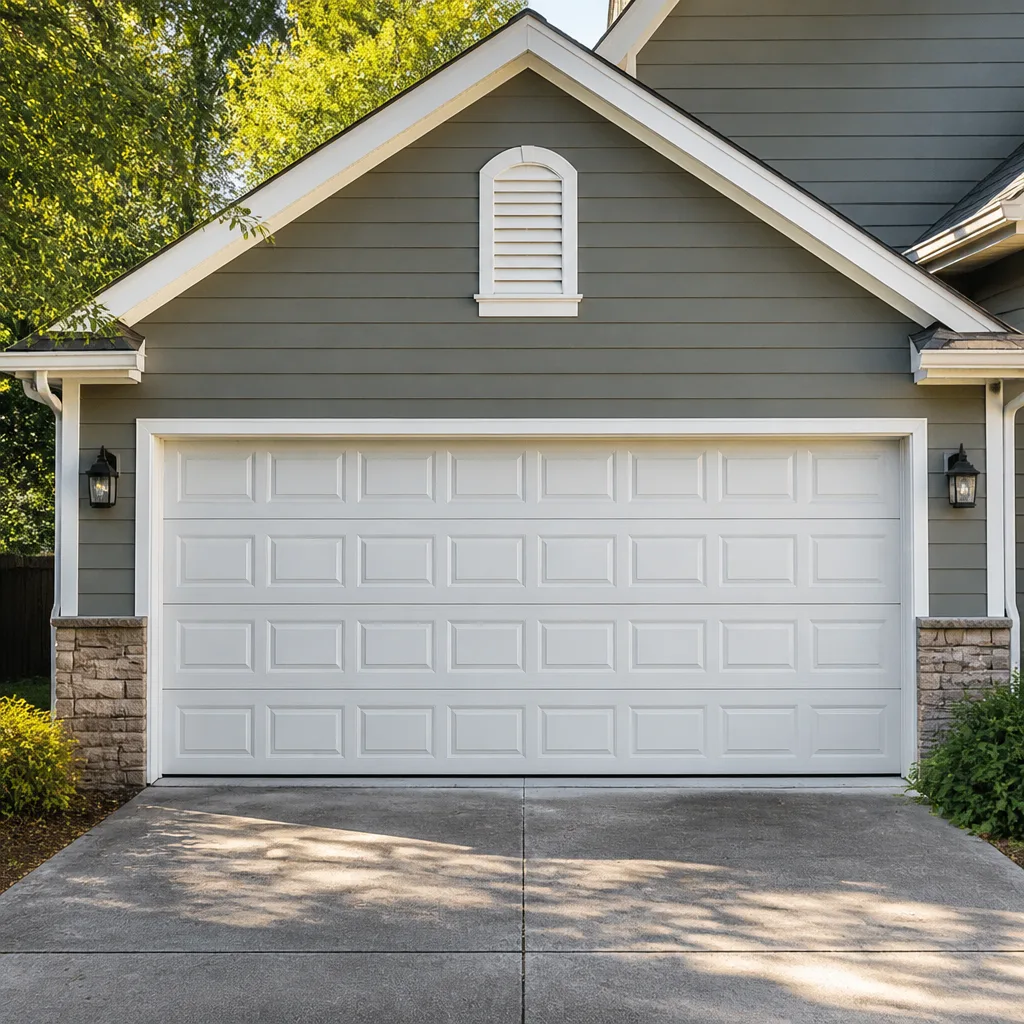 Raised-panel steel
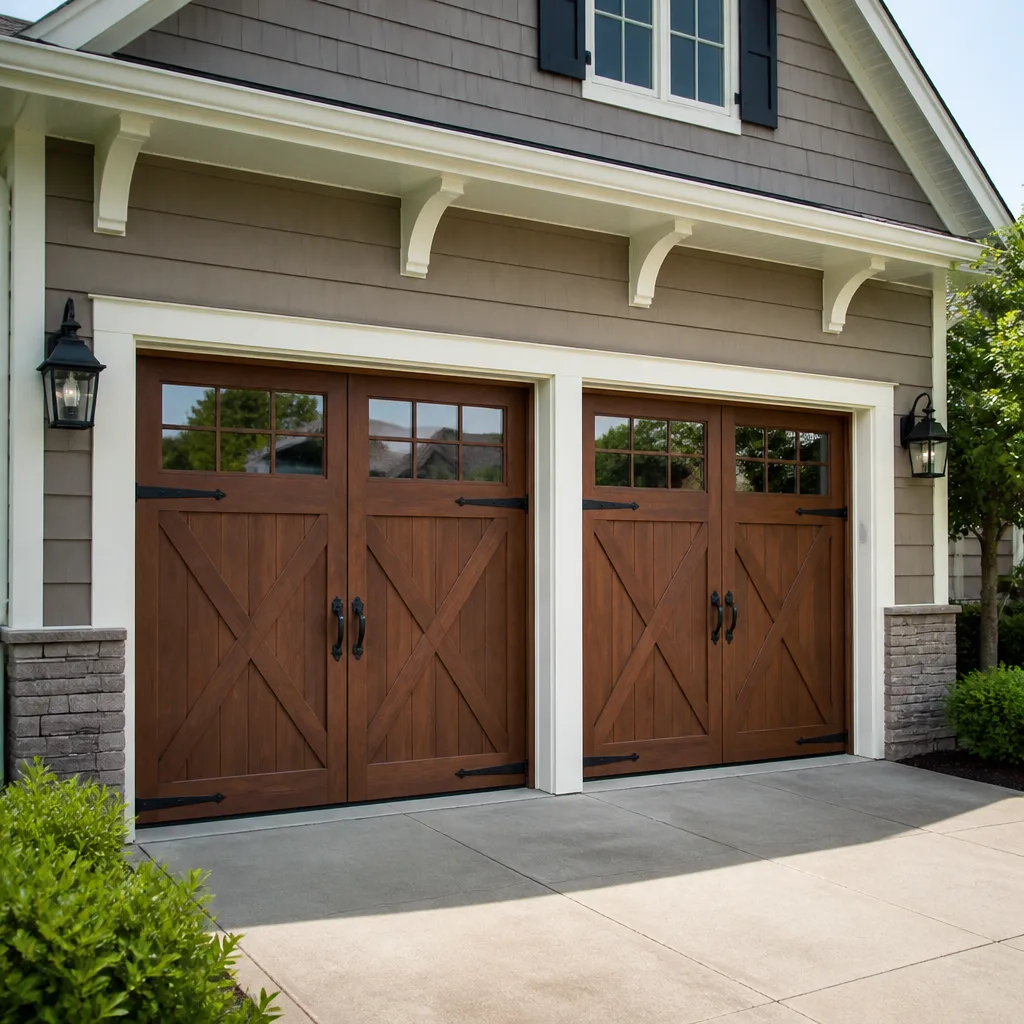 Carriage house
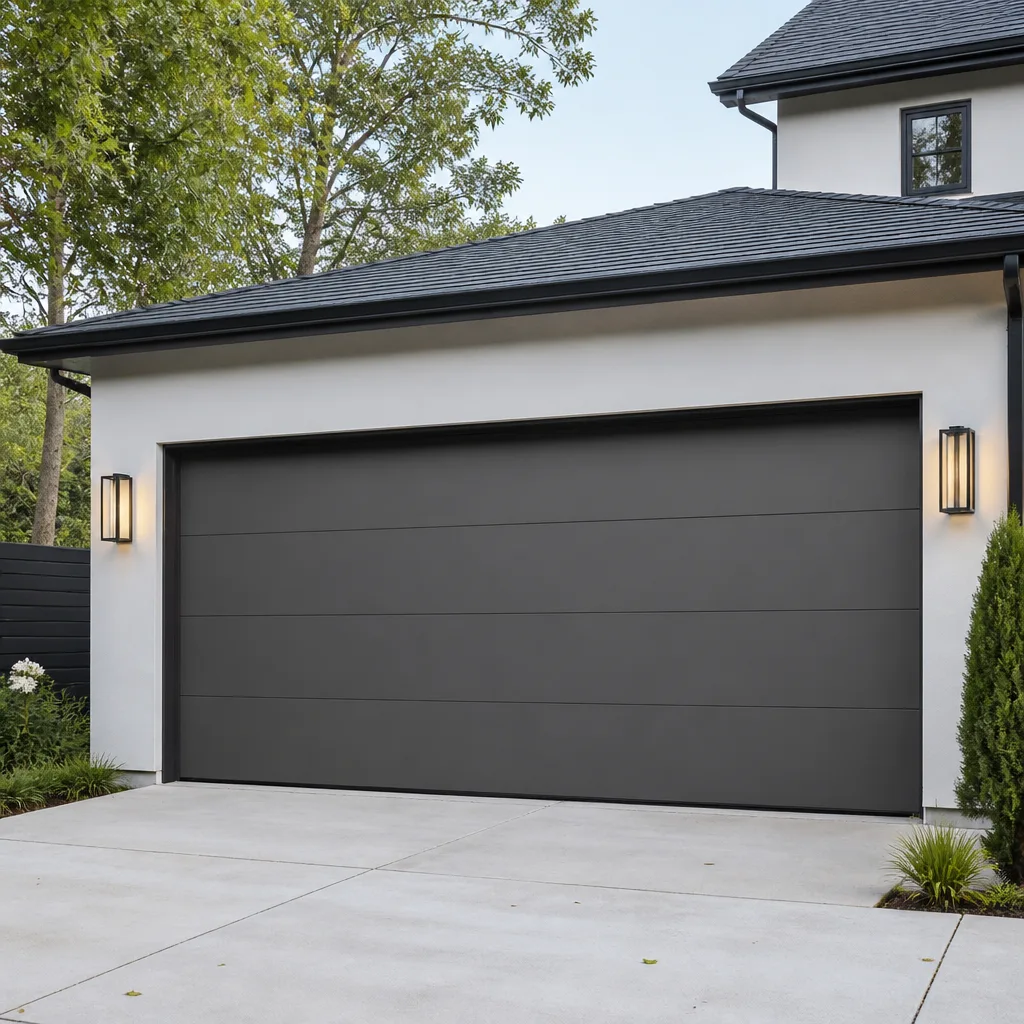 Modern flush
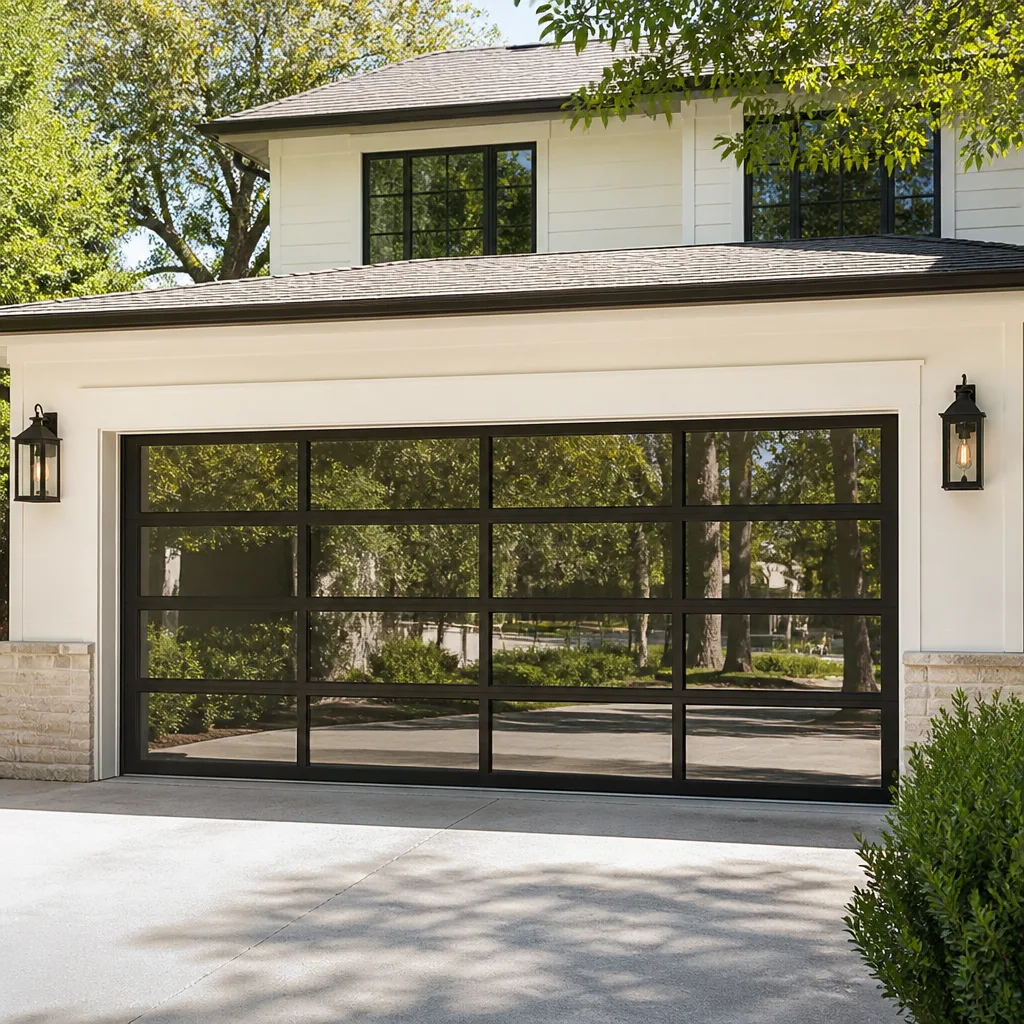 Full-view glass
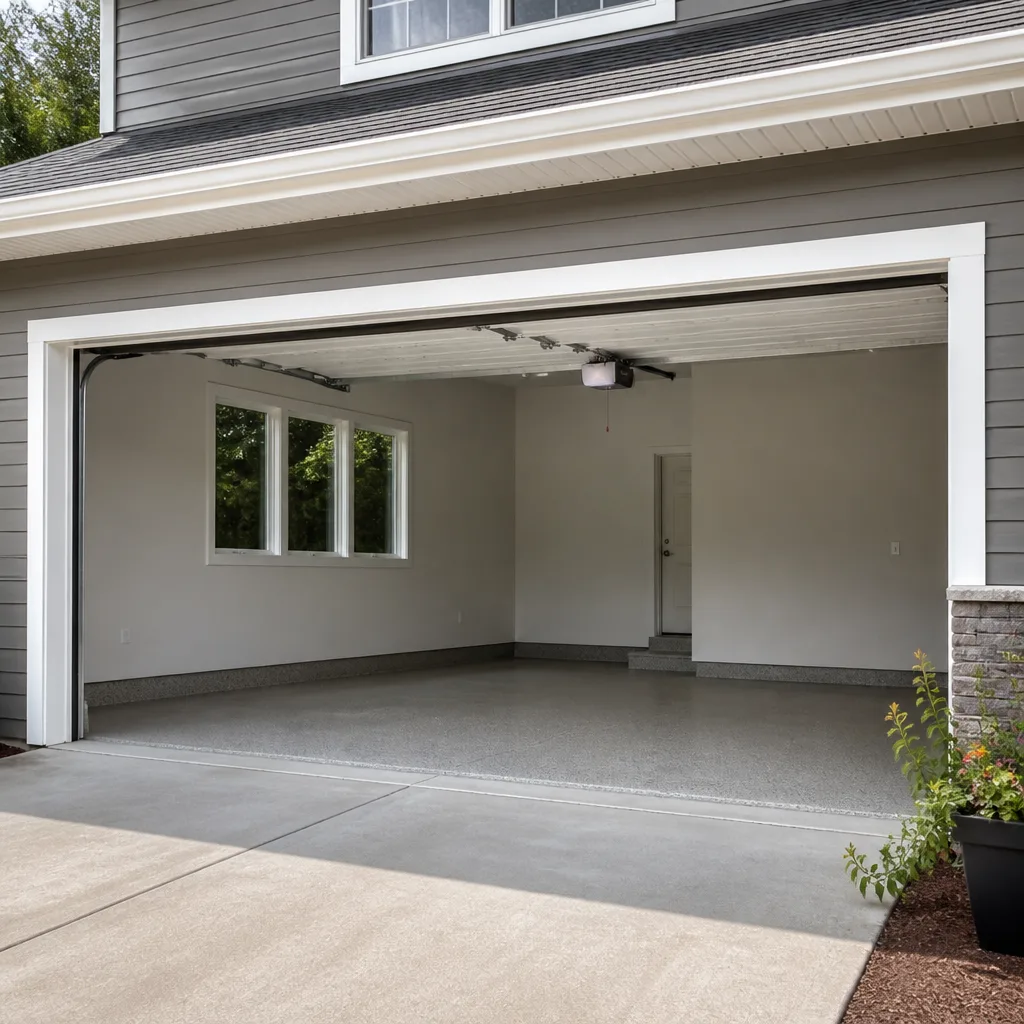 LiftMaster openers
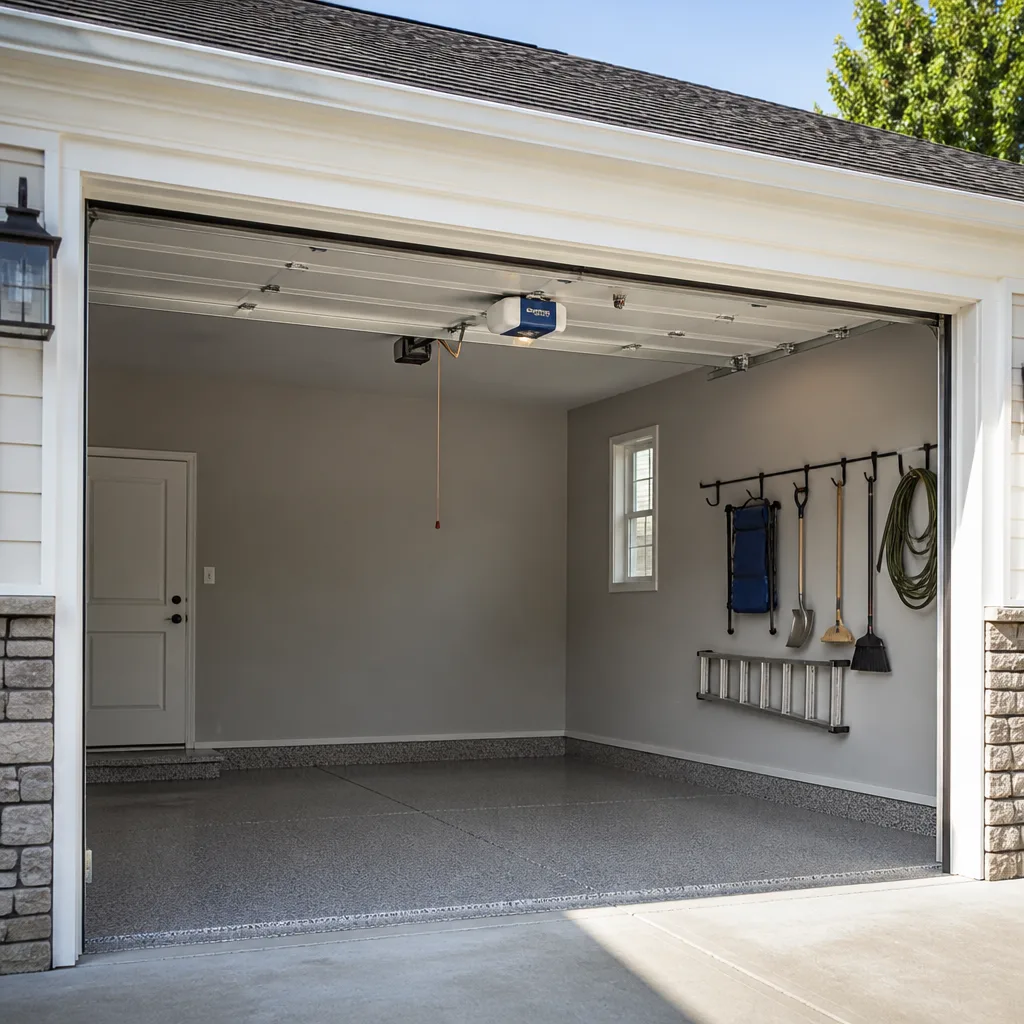 Chamberlain openers
Full 25-point door and opener safety check with every visit - springs, cables, rollers, tracks, and your LiftMaster or Chamberlain opener included
You get a price before we start. It does not change when the pro arrives.
Get your free estimateDIY vs Professional Garage Door: The Mobile Homeowner’s Decision Guide
Most garage door advice online treats the whole machine as either totally safe or wildly dangerous. Both extremes are wrong. A torsion spring under tension can break a wrist or worse, and that’s not a scare tactic, it’s physics. But plenty of garage door work in Mobile – lubricating rollers, realigning photo-eye sensors, reprogramming a remote, replacing bottom weatherstrip – is well within reach of an attentive homeowner with a Saturday morning and a ladder that isn’t wobbling. The real question isn’t whether you’re handy enough. It’s which specific tasks carry genuine injury risk and which don’t. This guide draws that line precisely, tells you what a botched DIY repair costs to unwind, and shows you how to describe a problem over the phone so you don’t waste a service call.
Quick Answer
Safe DIY garage door tasks are lubrication, safety-sensor alignment, remote and keypad programming, and weatherstrip replacement. Leave spring replacement, cable work, and track realignment on a tension-loaded door to a technician, because those components store enough energy to cause serious injury and mistakes tend to cascade into bigger repairs. In Mobile’s humid climate, the one DIY job worth doing more often than generic videos suggest is lubrication – roughly every four to six months here, not once a year.
Styles & brands we work with
- Raised-panel steel
- Carriage house
- Modern flush
- Full-view glass
- LiftMaster openers
- Chamberlain openers
Table of Contents
- Where the DIY Line Actually Sits
- Tasks That Are Safe for Most Homeowners
- Tasks That Require a Technician
- How Mobile Humidity Changes Your DIY Routine
- What a DIY Mistake Actually Costs vs. the Pro Rate
- How to Describe the Problem Before You Call
- Common Mistakes to Avoid
- When to Call a Professional
Where the DIY Line Actually Sits
The dividing line for garage door repair isn’t difficulty. It’s stored energy. A standard sectional door weighs somewhere between one and a few hundred pounds, and it stays balanced because springs hold that weight in suspension. Touch the wrong component while that tension is live and the door can drop or the hardware can whip. That’s why the safe/unsafe split below isn’t about whether a task is “hard” – some spring work is mechanically simple – it’s about whether the task puts your hands near stored force.
Everything on the safe side of the line shares a trait: you’re adjusting or cleaning things while the door is at rest with the opener disconnected and the door resting fully down. Everything on the unsafe side involves the counterweight system – springs, cables, drums, and the tracks that carry the load once tension is applied. Here in Mobile, we’ve seen plenty of homeowners handle the safe list well for years and never need anyone. We’ve also seen a door come off its tracks after a homeowner tried to bend a loaded track back into line with a pry bar. The distinction matters because the second group of tasks looks just as approachable as the first until it isn’t.
One more local wrinkle: Mobile’s humidity makes the safe list slightly bigger in practice. Lubrication, weatherstrip, and hardware tightening come up more often here than the national guides assume, because corrosion and swelling do a number on the parts you can reach. So the DIY side of the ledger is more useful in Mobile than in Phoenix, and it’s worth learning properly rather than skipping.
Tasks That Are Safe for Most Homeowners
These jobs don’t require you to touch a spring, cable, or loaded track. Do them with the door closed, the opener unplugged, and the breaker to the opener off. Then confirm nothing moves when you press the wall button.
- Lubrication. Wipe the roller stems, hinges, and the torsion bar bearings (not the springs themselves if your manual says not to) with a proper garage door lubricant. Work the door up and down by hand a few times to distribute it.
- Photo-eye sensor alignment. If the door reverses immediately on close, check that the two small lenses near the floor are facing each other and the indicator lights are solid. Wipe them clean and nudge the brackets until both light up.
- Remote and keypad programming. Every brand handles this slightly differently, but reprogramming a remote or keypad is a manual-and-a-button job, not a mechanical one. LiftMaster and Chamberlain systems, for instance, use the learn button on the opener head.
- Bottom weatherstrip replacement. The rubber seal along the bottom of the door slides out of its retainer and a new one slides in. Soapy water helps it seat. This one comes up constantly in Mobile because humidity and summer storms chew through seals faster than in dry climates.
- Hardware tightening. Roller brackets, hinge bolts, and the bolts holding the opener rail to the header often work loose. A socket wrench and ten minutes fixes it.
- Cleaning and visual inspection. Look for frayed cables (from a distance – don’t touch), cracked rollers, bent hinges, and dents in the panels. Catching these early is the whole point.
If you can do all six of those comfortably, you’re already doing more preventive maintenance than most homeowners. That’s a real win – it delays the day you need a technician and keeps the door quieter in the meantime.
Tasks That Require a Technician
The tasks below involve stored mechanical energy that can release suddenly. A trained technician uses winding bars, controlled procedures, and the right tools to manage that energy; a homeowner with a socket set cannot. We’re not going to walk you through these step-by-step, because doing so would be irresponsible – a torsion spring can break a wrist or worse, and a snapped cable recoils with enough speed to cut. Instead, here’s how to recognize when a job is on the no-fly list.
- Torsion or extension spring replacement. The springs holding up your door are either wound under tension (torsion) or stretched (extension). Either way, replacing one means releasing stored force and re-balancing the door. This is the single most dangerous task in the trade.
- Cable replacement or adjustment. Cables run from the bottom corners of the door up to the drums on the torsion bar. If one is frayed or off its drum, stop using the door and call. Do not try to re-seat a cable.
- Track realignment on a tension-loaded door. Straightening a bent vertical or horizontal track sounds like a pry-bar job. It isn’t, once the door is holding tension against that track. A misplaced pry can send the door off the track entirely.
- Roller replacement on a door that won’t move freely. If the door binds when you lift it by hand, the problem is usually a balance or tension issue rather than the rollers – and you don’t want to be reaching into the hinge pockets while the door is under load.
- Opener drive gear, logic board, or motor replacement. Some of this is electrical, some of it requires opening the head unit. If your opener is a Craftsman or a Raynor model with a specific drive system, a technician familiar with the brand saves a lot of trial and error.
- Broken hinge or bracket on a loaded panel. A bracket failure can shift how the whole door carries tension. Replace it with the door de-tensioned, not while it’s hanging.
For any of these, garage door repair from a specialist covers spring, cable, track, and hardware work in one visit. We’ve seen homeowners try the spring replacement themselves, get halfway, and end up paying for a repair plus a door that’s been sitting crooked for a week.
How Mobile Humidity Changes Your DIY Routine
Generic YouTube advice is written for a climate. Mobile isn’t that climate. Our summers run hot and wet, humidity sits high for months, and the swing between an air-conditioned garage and a swampy outdoor afternoon adds condensation cycles most of the country never sees. That changes three things about the safe DIY list.
Lubricant choice
Thin silicone spray is fine in dry climates, but in Mobile it can wash or vaporize off faster, especially on doors facing the afternoon sun. A heavier lithium- or PTFE-based garage door lubricant clings longer through the humidity. Avoid general-purpose WD-40 for the moving parts – it’s a solvent and water displacer, not a lasting lubricant, and it tends to attract grit once it breaks down.
Application frequency
Once a year is the standard advice in dry regions. In Mobile, we suggest checking the rollers and hinges every four to six months, and lubricating whenever the door starts sounding gritty or groaning. If you can hear it from inside the house, it’s overdue. Doors near the water tend to need it more; doors inland toward West Mobile can stretch a little longer.
Weatherstrip and hardware
Bottom weatherstrip takes a beating here. Between the humidity, the heat, and the heavy summer rain, the rubber stiffens and cracks earlier than in cooler climates. Check the seal every spring and replace it the moment you can see daylight under the door with the door closed. Also check for rust on the hinge plates and roller stems – a light coat of lubricant on those parts is genuinely preventive down here.
What a DIY Mistake Actually Costs vs. the Pro Rate
The honest comparison isn’t “free” versus “professional.” It’s “the price of the professional repair” versus “the price of the professional repair, plus the price of whatever the DIY attempt damaged, plus the possibility that you need a whole new door.” Most DIY mistakes on a garage door fall into three categories.
- Cosmetic and harmless. A scratched panel, a stripped bolt head, a sensor knocked out of alignment. Fixable at no extra cost. This is the most common outcome of an honest attempt at the safe list.
- Repairs the same task, just longer. A cross-threaded roller bracket or a stuck hinge usually adds a small amount to a normal service call. Annoying, not catastrophic.
- Turns a repair into a replacement. This is where a DIY spring or cable attempt goes wrong. A door that drops can bend panels, tear hinges off, or torque the tracks out of shape. At that point you’re not paying for a repair, you’re paying for a new door and installation.
So the question to ask before you start is: if this goes sideways, what’s the worst case? If the answer is “I’ll need a professional anyway,” that’s a task to hand off from the start. If the answer is “I’ll have a slightly scratched panel,” go ahead. Costs on the pro side vary by job and brand, so we won’t quote a number here – what we will say is that the price is agreed in writing before any work starts, so you’re not guessing. For the Mobile market specifically, the way to see the real number is a free estimate. Call (877) 367-4142 and we’ll walk you through what your door likely needs.
How to Describe the Problem Before You Call
One of the most common reasons a service call turns out to be unnecessary is that the person on the phone didn’t have a clear description of the problem. A technician can often tell you whether a door needs a visit or whether it’s a task you can handle, if you give them the right information. Here’s how to prepare before you dial.
- When does it happen? Does the door fail on the way up, on the way down, at the very start, or partway through? This points to different components.
- What sound does it make? A bang from up top is different from a grinding at the opener head, which is different from a rattle in the tracks. Describe it as precisely as you can.
- Is the door heavier than usual? If you can lift it by hand with the opener disconnected and it feels heavy or won’t stay up, the spring or balance is the issue.
- What brand is the opener? The model is usually printed on a label on the back or side of the head unit. LiftMaster, Chamberlain, Genie, and Craftsman each have quirks worth knowing.
- Are the photo-eye lights on? Both sensors near the floor should show a steady light. If one flickers or is dark, that’s a common culprit.
- Has the door been hit by anything? A car bumper, a ladder, a storm-blown branch. Physical damage changes the diagnosis.
A good phone conversation often saves a trip entirely. We can talk you through sensor alignment or remote reprogramming over the phone. For anything that sounds like a spring, cable, or track issue, we’ll book a visit – and it will be the right visit, first time, because we already know what’s going on. That’s the whole point of the mobile model: the technician arrives with the right parts and the right diagnosis in mind, rather than a generic “we’ll take a look.”
Common Mistakes to Avoid
- Spraying the torsion spring with oil and calling it lubrication. Oil can attract grit and dirt to a spring, and it doesn’t address the parts that actually need lubrication – the rollers, hinges, and bearings. Use a proper garage door lubricant and skip the springs if your manual says so.
- Ignoring a sensor problem because “the door still works sometimes.” An intermittent sensor is still a safety failure, and it will get worse. Fix it before the door fails to reverse when it counts.
- Forcing a bent track back with a pry bar while the door is loaded. In Mobile, humidity-driven swelling and heat-expansion can make a track shift look like a small adjustment. It isn’t. If the track is bent, the door needs to be de-tensioned first.
- Buying a replacement opener without checking compatibility. A new LiftMaster or Chamberlain unit may need a different wall control, a different travel limit setting, or a different drive for your door weight. Get advice before you buy.
- Skipping lubrication in Mobile’s humid months. The once-a-year advice doesn’t hold here. If the door sounds gritty in July, it needed attention in May.
- Trying to adjust the close-force or travel limits without the manual. Modern openers use a specific sequence to set these, and guessing can leave the door closing too hard or reversing too late.
- Assuming a new door is the only answer to a noise problem. Nine times out of ten, noise is a roller, hinge, or roller-stem issue, not a structural one. Fix the small parts before deciding to replace the door.
When to Call a Professional
Call a professional the moment you see a frayed cable, a broken spring, a bent track, or a door that moves unevenly. Those are the tasks where the work itself is physically dangerous, and where a botched attempt turns a straightforward repair into a full replacement. Also call if the door has come off its track, if the door is stuck open with the car inside, or if the opener motor hums but the door doesn’t move. Those scenarios point to components you shouldn’t touch yourself. And call if you’re not sure. A phone call costs nothing, and a technician who works on doors every day can usually tell within a minute whether you’re looking at a DIY job or a visit.
For the safe list – lubrication, sensor alignment, weatherstrip, remote programming – keep doing what you’re doing. It’s genuinely valuable and it extends the life of the door. For everything else, Mobile Garage Door Service comes to you. Free estimates in Mobile: call (877) 367-4142. We answer 24/7. Fast dispatch from 7am to 7pm, Sunday through Friday.
See the difference
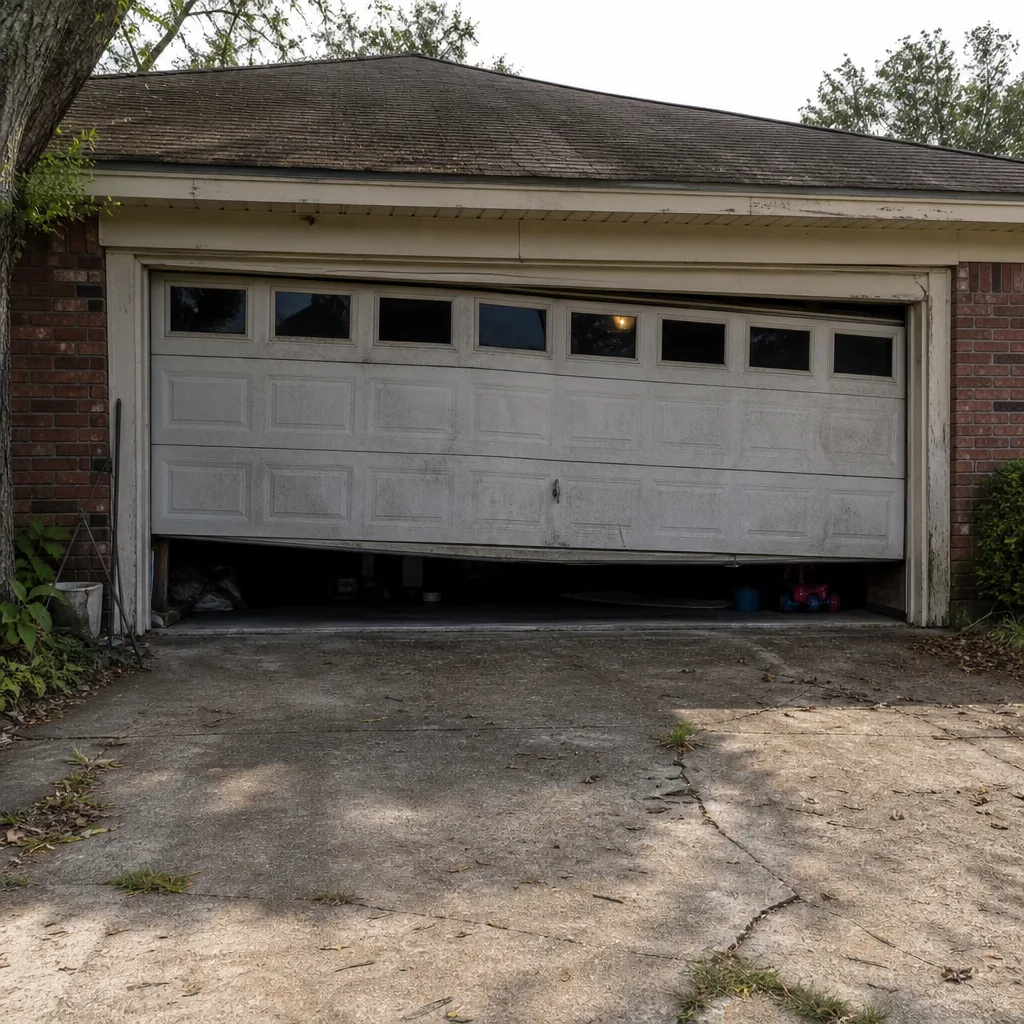 Before
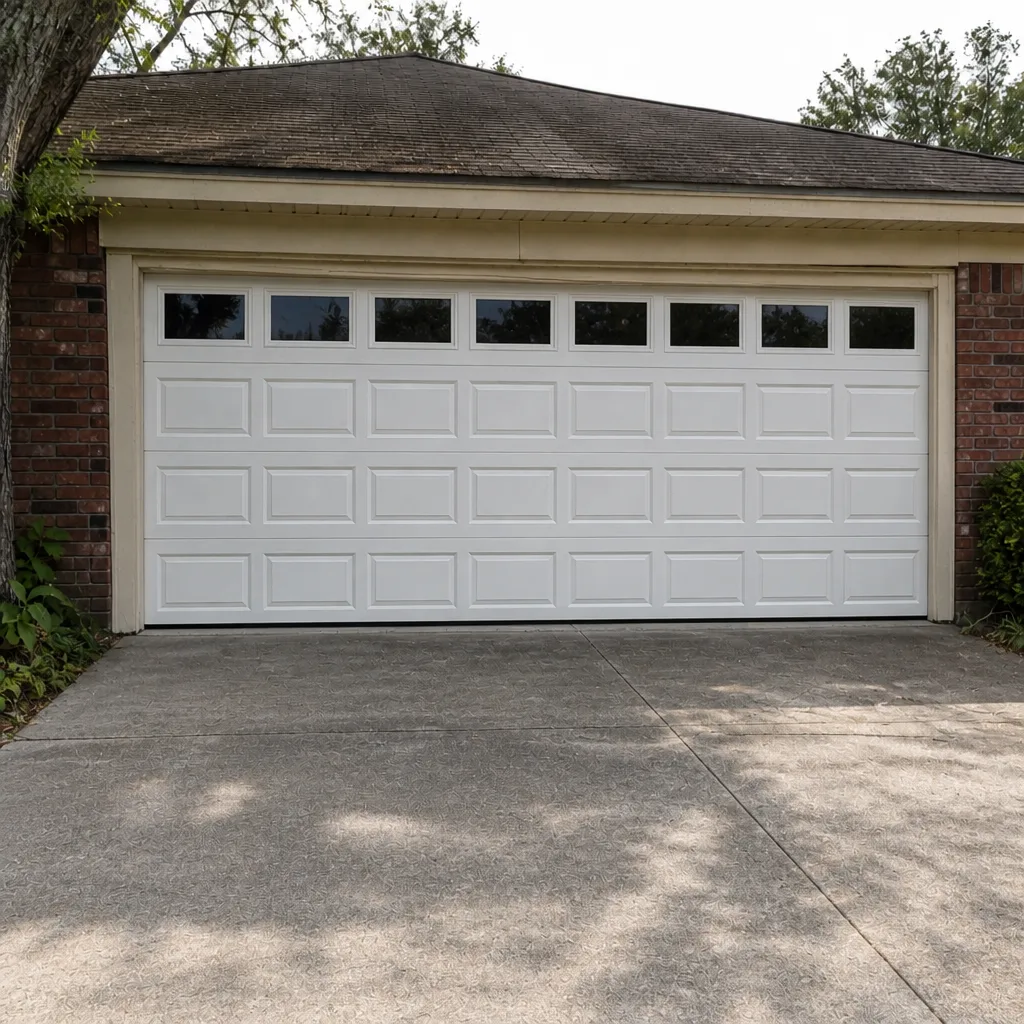 After
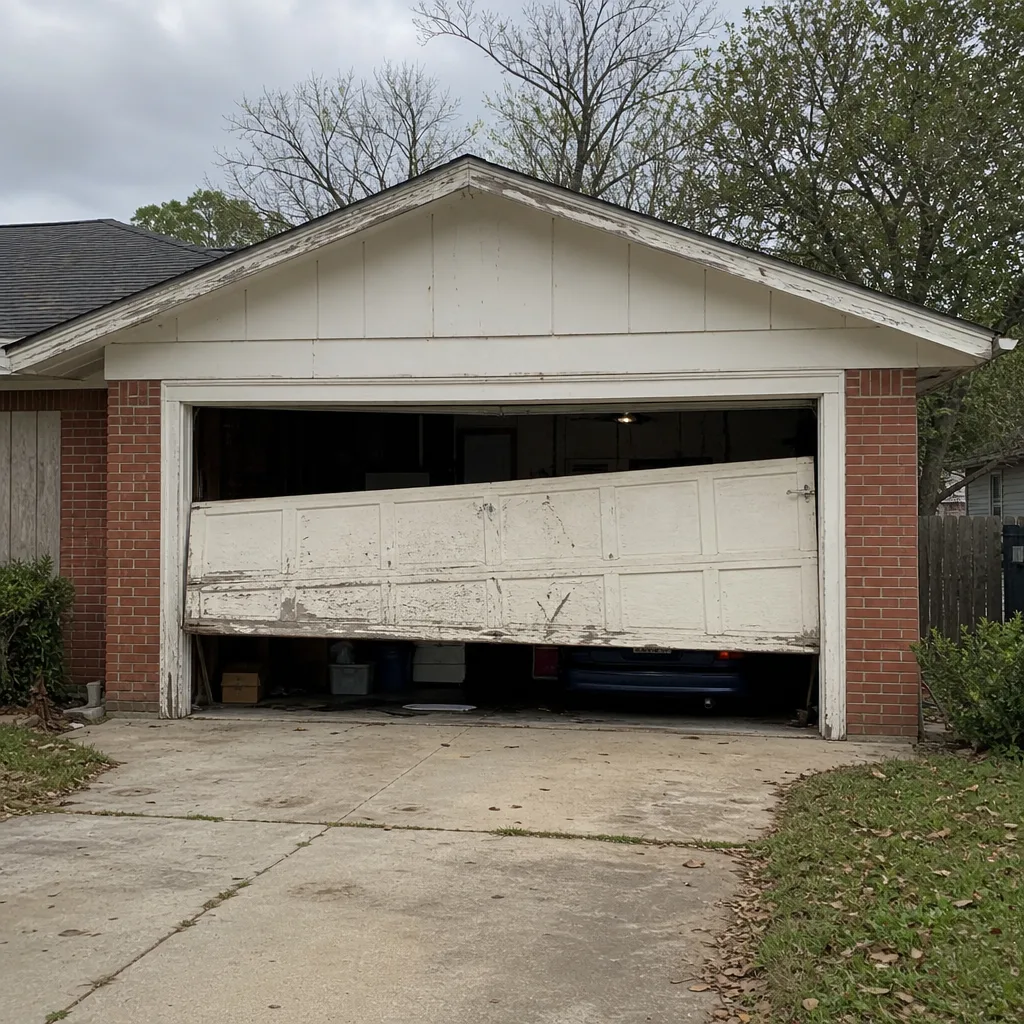 Before
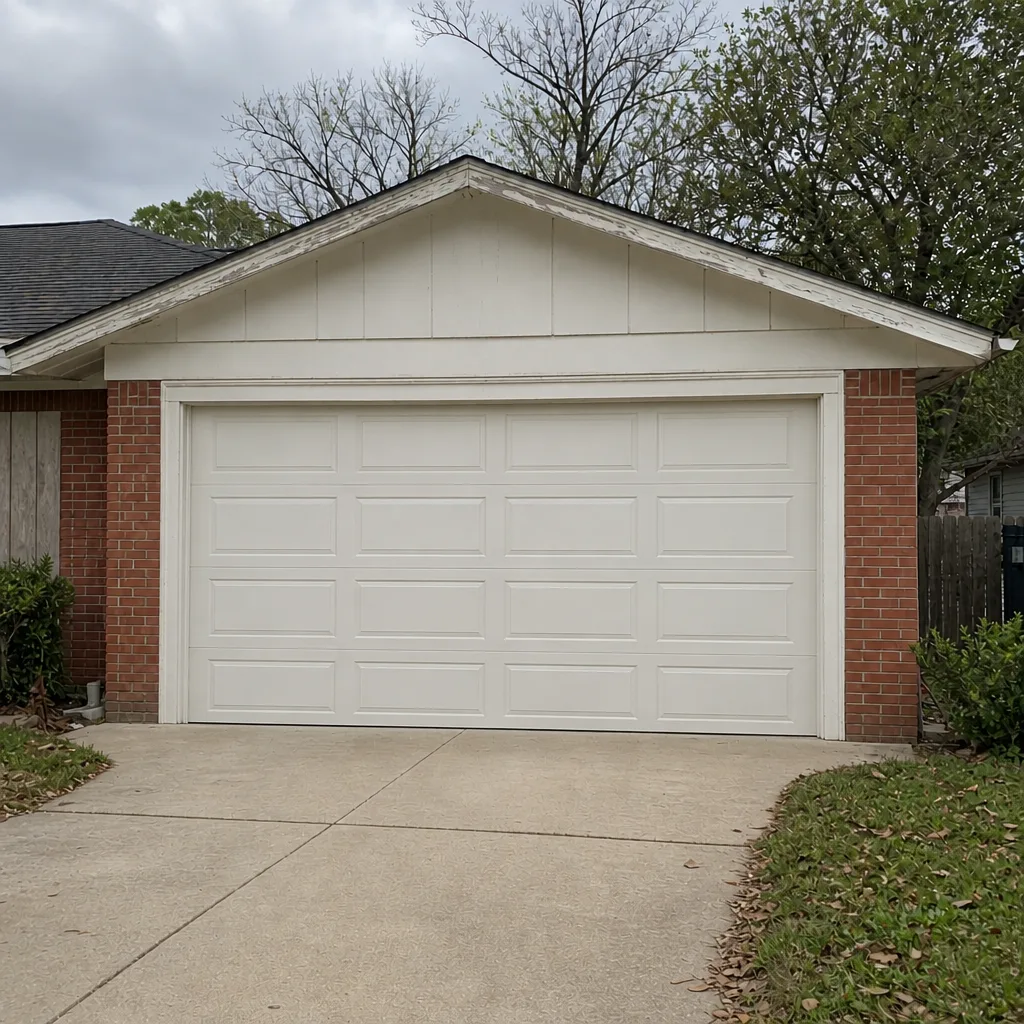 After
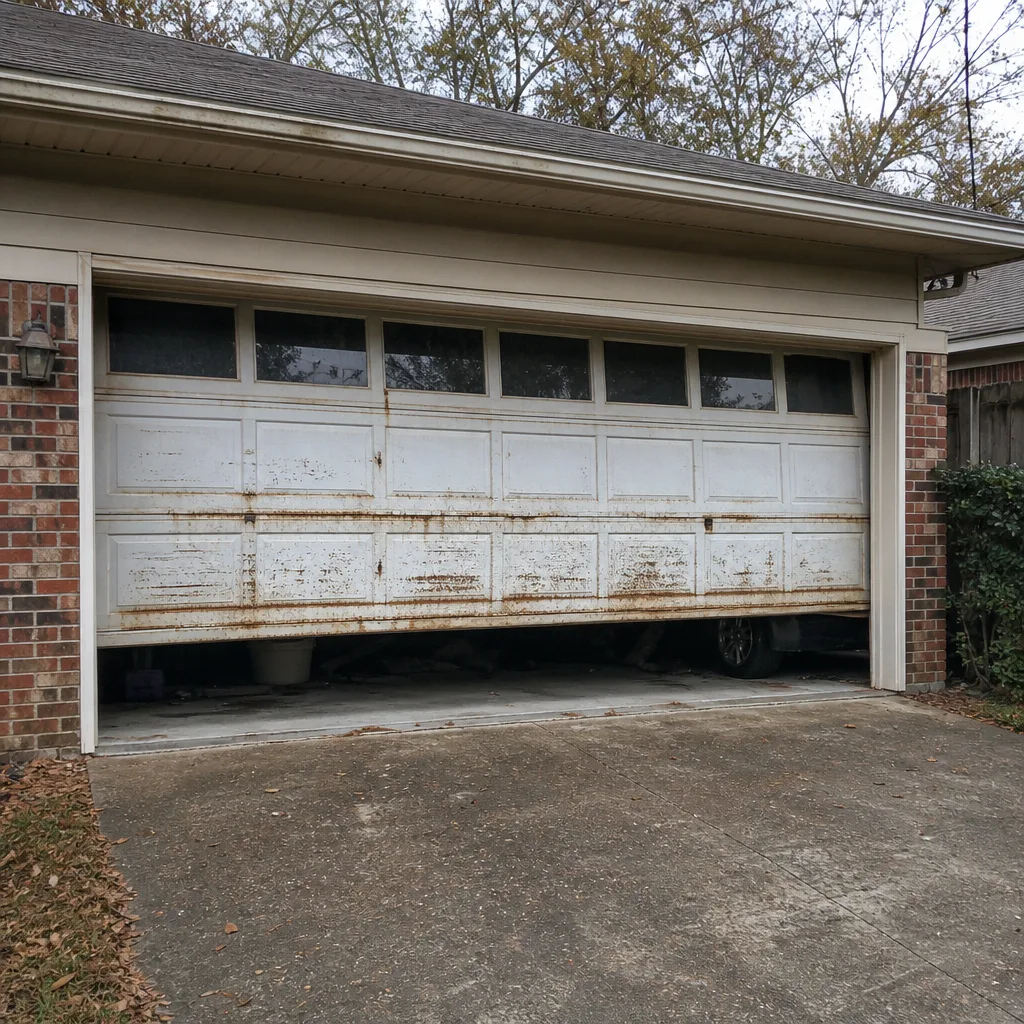 Before
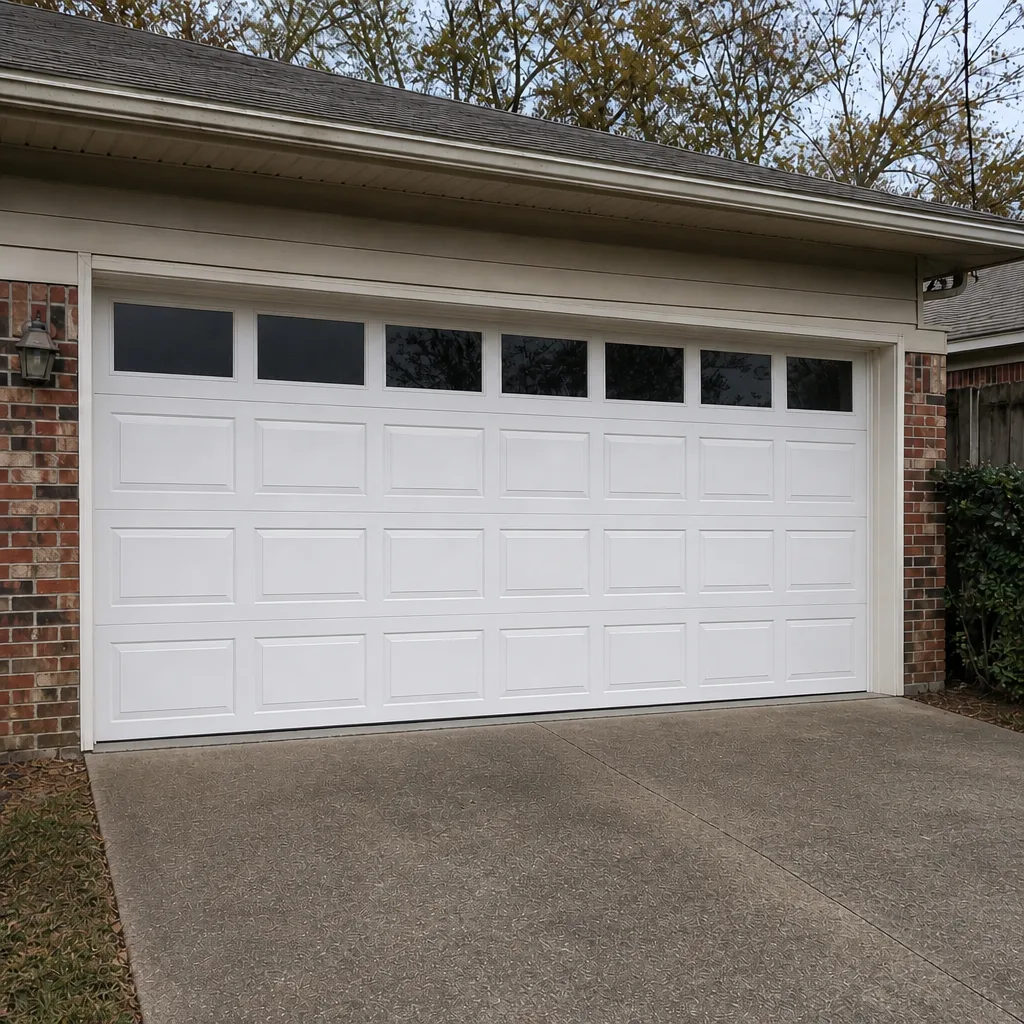 After
Frequently Asked Questions
No. Torsion springs store enough energy to cause serious injury, and replacement requires releasing and re-balancing that force with specialized tools. Even a mechanically inclined homeowner with the right bars is at real risk of a wrist, hand, or worse injury if the spring releases unexpectedly. Call a technician for spring work and focus your DIY effort on lubrication, sensors, and weatherstrip.
Every four to six months is the right window in Mobile’s climate, rather than the once-a-year schedule common in drier regions. High humidity, summer heat, and heavy rain cycles break lubricant down faster here, especially on doors that face the sun. If the door sounds gritty or groans when it moves, lubricate it now rather than waiting. A proper garage door lubricant works better than a general-purpose spray.
Nine times out of ten, the photo-eye sensors near the floor aren’t lined up or are dirty. Wipe both lenses and nudge the brackets until the indicator lights on both sensors are solid. If they’re already aligned and clean, the close-force setting or the logic board is the likely culprit – that’s a technician’s job, and worth a call.
Remote programming is a safe DIY task, and most owners can do it by following the manual. The catch is that each brand handles it differently – LiftMaster and Chamberlain use the learn button on the opener head, while Genie and Craftsman models often pair differently. If you can’t find the manual, call us and we’ll talk you through it. If it’s a keypad and the pairing still won’t take, that may indicate a logic board problem worth a visit.
Noise is almost always a lubrication or hardware issue, not a failure. Start by lubricating the rollers, hinges, and roller stems, and tighten any loose bolts on the hinge plates and brackets. If the noise persists or comes with a grinding sound from the opener head, that’s a technician’s diagnosis. A garage door opener repair call is the right move if the noise comes from the motor rather than the door.
The price is set per job by a written estimate, and it’s agreed before any work starts, so there’s no guessing after the fact. The typical range varies with the parts involved and the brand, so the honest answer is to get a free estimate for your specific door. Call (877) 367-4142 – estimates are free, and we’ll tell you what the job involves before you commit.
The Bottom Line
DIY and professional garage door work aren’t competing options. They’re a division of labor. Lubrication, sensor alignment, remote programming, and weatherstrip replacement are genuinely yours to do, and in Mobile’s humidity they’re worth doing more often than generic guides say. Springs, cables, and track work on a tension-loaded door are not – the energy stored in those parts is what separates a safe Saturday project from a serious injury. Knowing which side of that line you’re on is the whole skill. Handle the small stuff, call for the rest, and you’ll keep the door quieter and safer for years. And if you’re ever unsure which side a task is on, ask before you start.
Related Reading and Service Areas
Garage doors are all we do, which means we can help whether you’ve got a Craftsman opener that’s been humming for years or a newer Raynor door that’s started to bind. One call covers repair, opener work, and installation. If you’re in or around Mobile, we come to you – technicians dispatched to your driveway with the right parts and the right diagnosis. Whatever brand you have, one call covers it: repair, opener repair, or a full replacement install, handled by the same specialist team. Call (877) 367-4142. We answer 24/7. Fast dispatch from 7am to 7pm, Sunday through Friday.
Written by the team at Mobile Garage Door Service.