
Last updated November 15, 2026
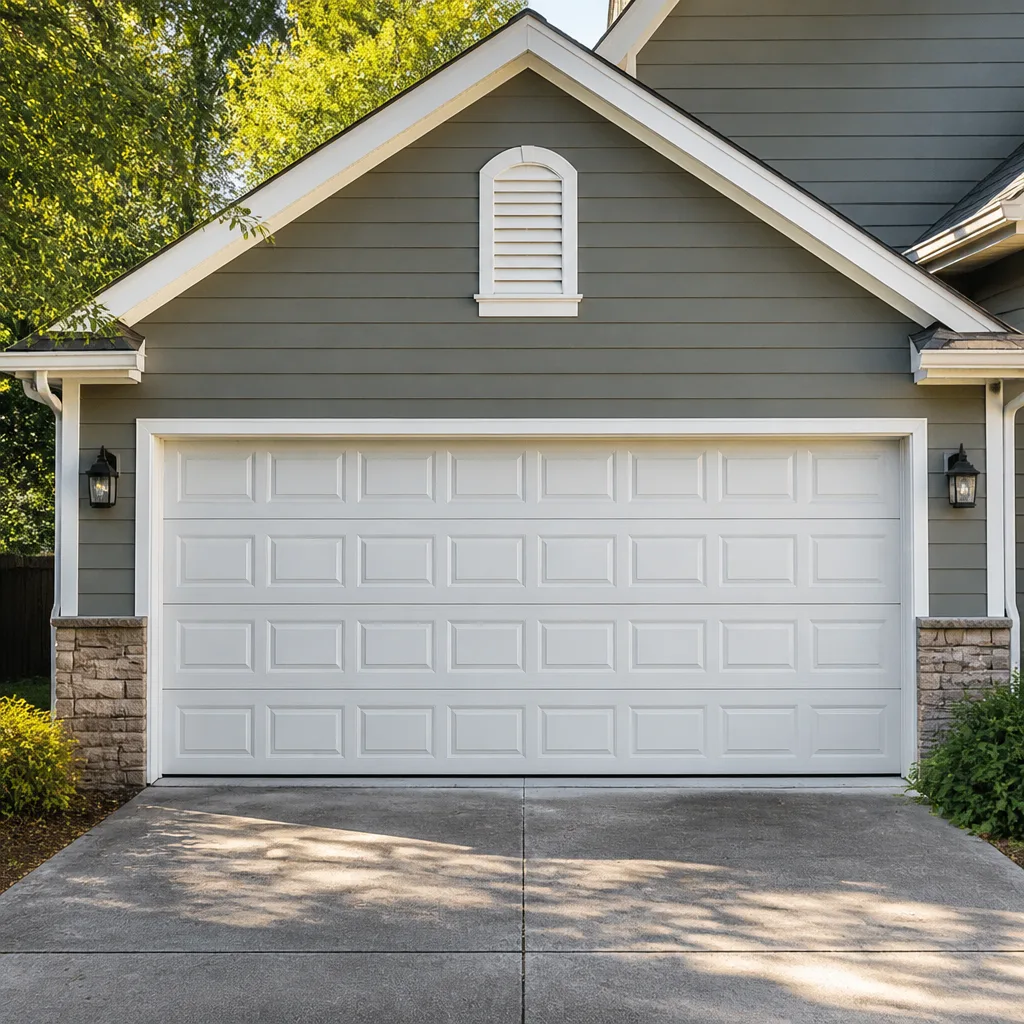 Raised-panel steel
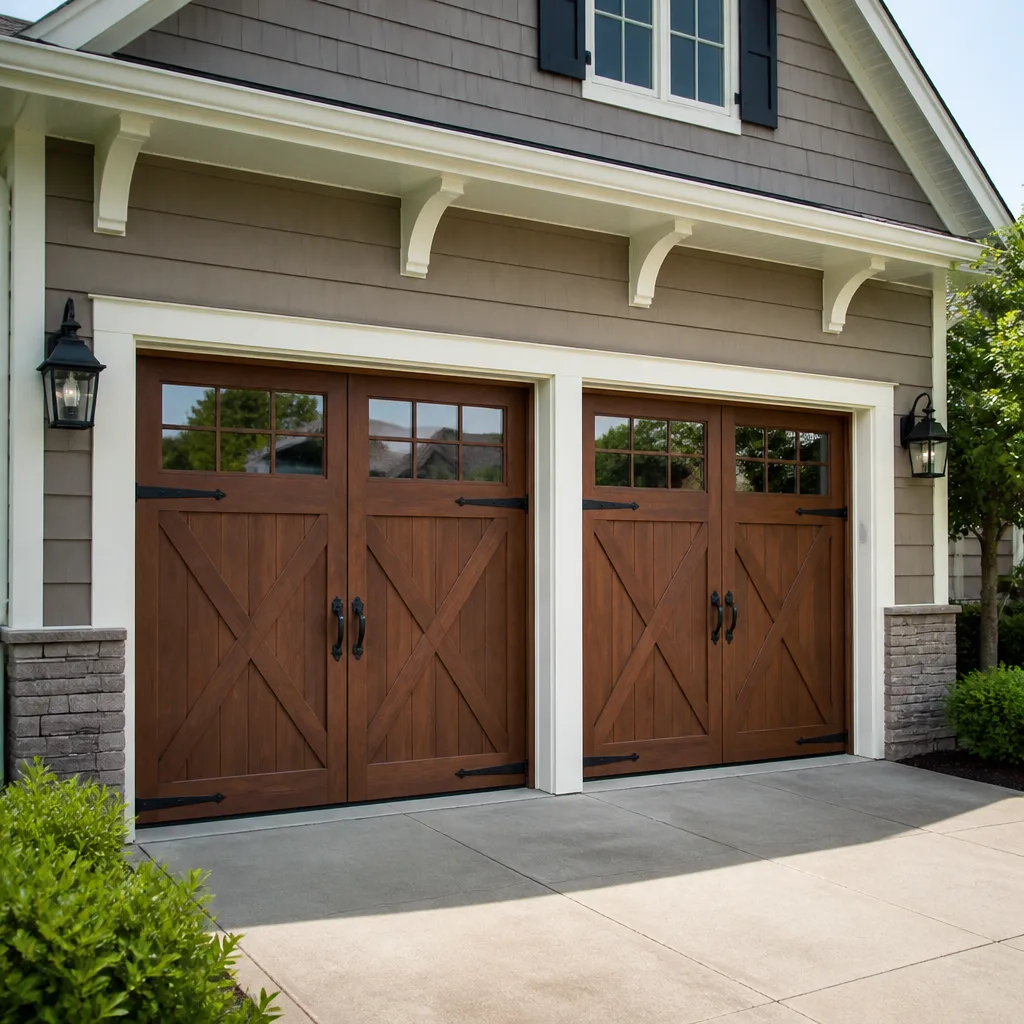 Carriage house
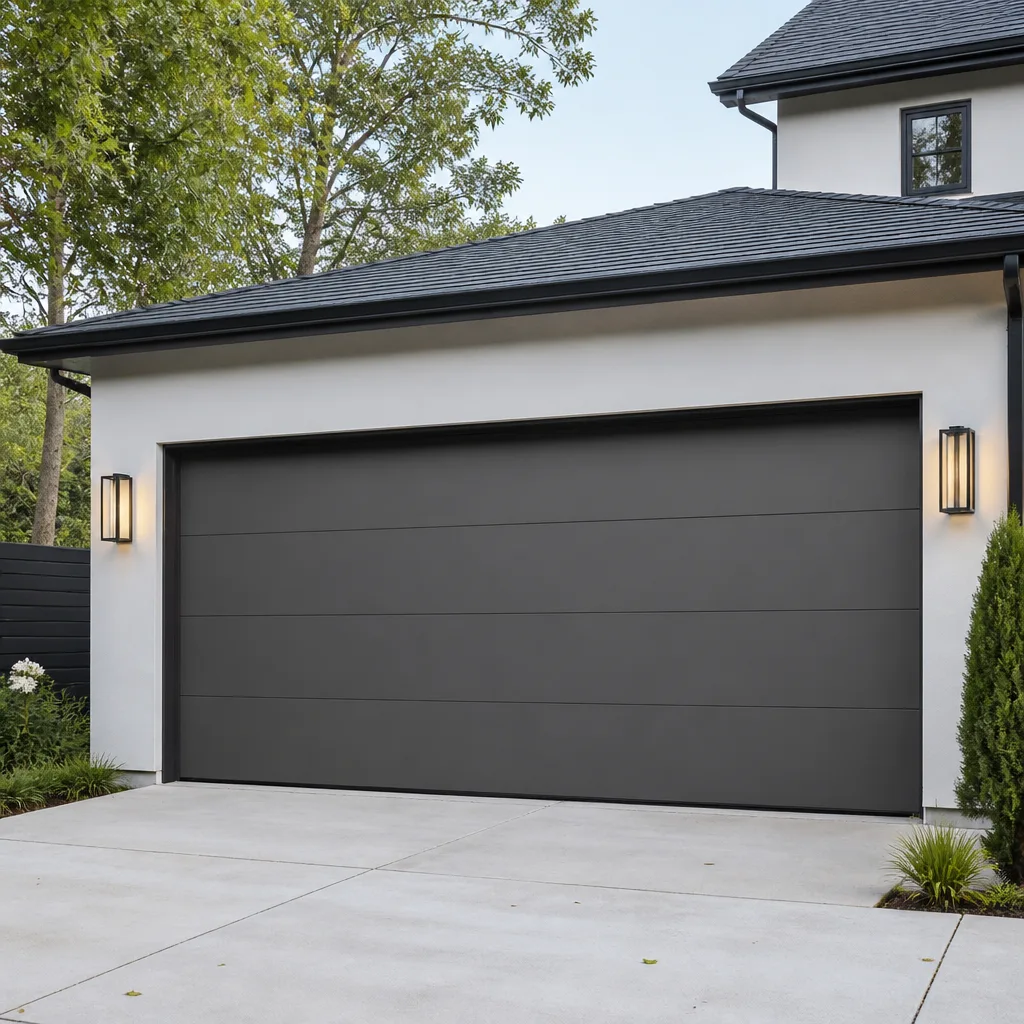 Modern flush
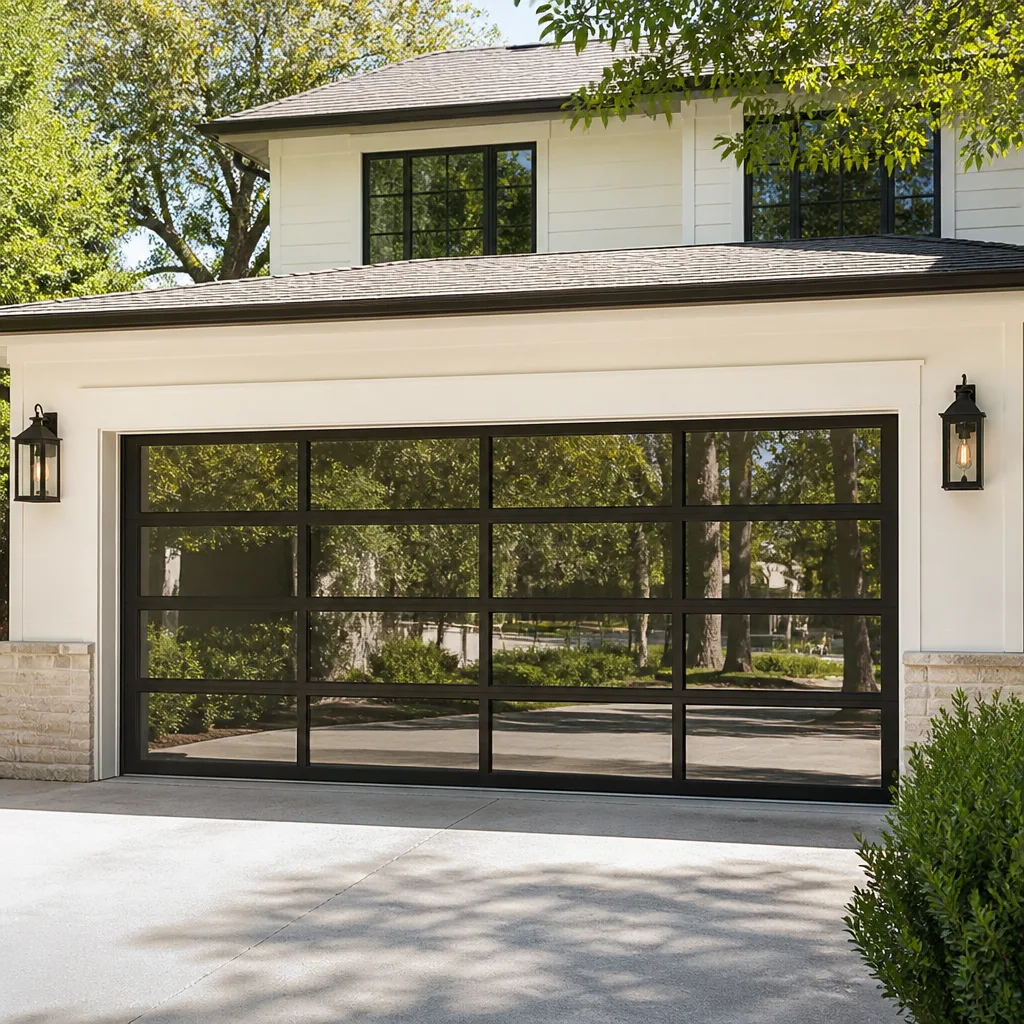 Full-view glass
 LiftMaster openers
 Chamberlain openers
Full 25-point door and opener safety check with every visit - springs, cables, rollers, tracks, and your LiftMaster or Chamberlain opener included
You get a price before we start. It does not change when the pro arrives.
Get your free estimateSeasonal Garage Door Care for Mobile: Year-Round Homeowner’s Guide
Most garage door advice assumes four tidy seasons. Mobile doesn’t work that way. What we actually get is a long, punishing summer, a short and mild winter, and two transition stretches that sit on either side of storm season. That rhythm changes how a door wears. Heat softens lubricant and pushes opener motors toward their thermal limits; humidity works on hinges and rollers; the handful of cold nights we do get tighten weatherstripping and leave condensation on cold steel. This guide maps the care your door needs to what’s really happening in Mobile month by month, so you can stay ahead of the failures that catch most homeowners off guard.
Quick Answer
Seasonal garage door care in Mobile comes down to three habits: inspect and lubricate before summer heat sets in, do a six-point door audit before the first named storm of the Atlantic season, and clean and re-lube the hardware in fall once summer humidity breaks. Winter here is mild, but temperature swings still shrink seals and cause condensation, so a spring inspection resets the cycle. A little attention at each turn keeps the door, springs, and opener working year-round.
Styles & brands we work with
- Raised-panel steel
- Carriage house
- Modern flush
- Full-view glass
- LiftMaster openers
- Chamberlain openers
Table of Contents
- Why Mobile’s Climate Is Hard on Garage Doors
- Spring Checklist: Reset After Winter
- The Pre-Storm-Season Door Audit (May)
- Summer Heat: Springs, Rollers, and Opener Motors
- Fall Transition: Cleaning Out Summer Humidity
- Winter in Mobile: Mild Temps, Real Problems
- Month-by-Month Care Calendar
- Common Mistakes to Avoid
Why Mobile’s Climate Is Hard on Garage Doors
Mobile averages 59 days above 90°F every summer. That number matters more than it sounds, because heat doesn’t just make the garage uncomfortable, it changes how every moving part behaves. Torsion springs, the coiled steel that counterbalances the door’s weight, expand and lose some tension in sustained heat. Rollers soften. Grease thins and migrates away from where it’s needed. Opener motors work harder and lean on their thermal protection to avoid overheating.
Then there’s the humidity. Mobile’s summers run muggy for months, and that moisture settles on bare metal hardware: hinges, rollers, the track, the fasteners holding it all together. Left alone, those parts start to stiffen and corrode, which makes the door louder and the opener strain.
We think of the year here in four parts, not the calendar’s four seasons:
- Spring – a short reset window and the run-up to storm season.
- Storm season – late spring into fall, when wind-driven rain and named storms test every seal and brace.
- Peak summer – July and August, the stretch that stresses springs and opener motors most.
- Mild winter – cooler nights, condensation, and seals that shrink and let drafts in.
Good seasonal care in Mobile is really about matching maintenance to that pattern. For a deeper refresher on how the moving parts of the door and opener work together, our Mobile Garage Door Service overview lays out what a door system includes. With the climate picture in mind, here’s how the year unfolds for your door.
Spring Checklist: Reset After Winter
Spring in Mobile is short, so treat it as a reset window. Winter’s cool nights and condensation have had months to work on your seals and hardware, and the first warm, humid days are about to start the corrosion cycle anew. This is the moment to undo winter’s wear before summer adds to it.
Work through this list in one pass:
- Check the weatherstripping. Run your hand along the bottom seal and the side and top trim. Look for gaps, cracks, or sections that have pulled away. Cold nights shrink rubber; when it doesn’t spring back, it needs replacing.
- Test the door balance. Disconnect the opener (pull the release cord) and lift the door halfway by hand. It should hold there with little effort. If it drops or feels heavy, the springs may be out of balance.
- Clean the tracks. Wipe out grit and debris with a damp cloth. Don’t use heavy grease in the tracks; it collects dust and gum.
- Lubricate the moving metal. A garage-door-rated lubricant on hinges, rollers, and the spring, not household oil.
- Look at the hardware. Tighten loose bolts on the hinges and brackets. Check for rust spots starting on bare metal.
- Listen to the door. Run it up and down. New grinding, squealing, or banging is a signal something’s off.
If the door doesn’t hold its halfway point, or the springs look stretched or show gaps in the coil, leave that part to a technician. Torsion springs are under extreme tension and can cause serious injury if handled without the right tools and training. This is also a good time to book a garage door repair visit if you spotted anything you’re unsure about in Mobile, since small issues are cheapest to fix before summer stress piles on.
The Pre-Storm-Season Door Audit (May)
May is when we tell Mobile homeowners to give the door a hard look, because it’s the last calm stretch before the Atlantic season ramps up. Wind-driven rain, flying debris, and power flickers all find weak spots in a door system. A door that’s solid in calm weather can still let water in or fail to close tight when a storm rolls through.
Run this six-point audit before the first named storm of the season:
- Weatherstripping integrity. Check the bottom seal, the side jambs, and the top trim for gaps. A seal that’s compressed or torn lets wind-driven rain straight into the garage.
- Track alignment and fasteners. Look for bent or misaligned track and loose anchor bolts. A track that’s already wobbly won’t hold up to a gust.
- Door panel and hinge condition. Inspect each panel for cracks and every hinge for looseness. Panels that flex in the wind can crack at the seams.
- Spring tension. A weak spring leaves the door sagging and the opener overworked. If the door feels heavy to lift by hand, have it checked.
- Opener response and safety reverse. Test the auto-reverse by placing a roll of paper towels under the door and closing it. The door should reverse on contact. If you have a LiftMaster or Chamberlain opener with a battery backup, confirm it still cycles when you pull the plug.
- Drainage around the opening. Make sure the ground at the bottom of the door slopes away. Pooling water finds its way under a seal that’s less than perfect.
If any of these turn up a problem, a pre-season visit to sort it now beats an emergency call mid-storm. When a door fails during a storm, it’s our garage door repair team you’ll want on the phone, but the cheaper move is catching these issues in May while the weather’s quiet.
Summer Heat: Springs, Rollers, and Opener Motors
July and August are the hardest months on a garage door in Mobile. When the mercury holds above 90°F for days, the steel in a torsion spring warms and expands, which changes its tension and puts more load on the opener. Rollers and nylon parts soften. Grease thins and works its way out of hinges and bearings. The door gets heavier to move and the opener strains against it.
What to watch for in the heat
- Opener thermal cutoff. Modern openers, including many Genie and LiftMaster models, have built-in thermal protection. If the motor overheats from working too hard, it shuts down and refuses to run until it cools. A door that “stops working” on a hot afternoon and comes back to life after an hour is a classic sign of thermal cutoff, and it usually means the door is dragging, not that the motor is dying.
- New noises. Squealing or groaning that shows up only on hot days points to dry or softened moving parts.
- Sagging panels. Heavy, heat-softened panels can bow slightly, especially on older doors, and start to rub the frame.
- Slow or uneven lift. If the door lifts more sluggishly than it did in spring, the spring tension or the opener has drifted out of balance.
Summer care tasks
- Re-lubricate hinges, rollers, and the spring with a door-rated lubricant; summer heat dries grease faster than you’d expect.
- Wipe and inspect the tracks for grit that heat makes sticky.
- Test the safety reverse monthly through the hot months.
- Give the motor room to breathe: keep the area around the opener unit clear and make sure its vents aren’t blocked.
- If the opener keeps tripping its thermal cutoff, have the door’s balance checked by a professional before the motor pays the price.
When a summer heat issue points to the opener itself, our garage door opener repair specialists come to you and diagnose whether it’s the motor, the door’s balance, or both. It’s one call either way, and we work on whatever brand you have.
Fall Transition: Cleaning Out Summer Humidity
When the humidity finally breaks in fall, that’s your cue to undo the months of moisture it left behind. Summer’s muggy air settles on bare metal and starts corrosion slowly. Harbor it into winter and it stiffens hinges, roughens tracks, and shortens the life of your hardware. A fall cleanup is mostly about moisture and metal.
Here’s the fall routine we recommend for Mobile homes:
- Clean the hardware. Wipe down hinges, rollers, and the spring with a clean rag. Look for the first flecks of rust on bare metal and address them before they spread.
- Re-lubricate everything moving. Summer heat and humidity both pull lubricant away from where it needs to be. A fresh application on hinges, rollers, bearings, and the spring restores the protective layer.
- Check the tracks for buildup. Wipe out dust and grime, then inspect for wear.
- Inspect the weatherstripping again. Repeat the hand check from spring, because cooler nights are coming and a seal that was fine in August may show gaps now.
- Test the full cycle. Run the door up and down a few times and listen. Any change in sound or speed is worth a look.
- Clear the garage interior. With cooler weather on the way, get things off the floor and away from the door’s path, so nothing catches a panel or trips the safety sensors.
Fall is also a smart time to have the whole system looked at by someone who does this every day. A Clopay steel door, common in Mobile homes, holds up well but its hardware still needs care as humidity and heat trade places. Regular fall upkeep is how a door keeps its smooth, quiet operation heading into the cool months.
Winter in Mobile: Mild Temps, Real Problems
Mobile’s winter is mild, but mild doesn’t mean nothing happens to your door. The cool nights we do get cause two specific problems that catch homeowners by surprise: condensation and seal shrinkage.
Temperature cycling is the culprit. A steel door warms in the afternoon sun and cools fast after dark. Water vapor in the garage condenses on the cold metal, and that moisture settles on hardware and tracks. Meanwhile, the rubber weatherstripping that keeps out drafts and pests contracts on cold nights. A seal that looked snug in October can show a visible gap in January, letting cold air and moisture into the garage and letting heated air out of the house.
Winter care is short and simple:
- Wipe up condensation on tracks and hardware when you notice it, especially on cold mornings.
- Re-check the weatherstripping on the coldest mornings and look for gaps at the bottom and sides.
- Keep moving parts lubricated. Cold makes thin lubricant stiff, so a proper door-rated product matters.
- Watch the opener. A cold motor on a cold morning feels stiff, and if the door is already dragging, the opener works harder. If it sounds labored on cold days, have it checked.
- Keep the safety sensors clean and aligned. Dust and low sun angles can both confuse them.
Winter in Mobile won’t crack a door or freeze a mechanism, but it will quietly undo a seal that’s seen better days. By the time spring arrives, you’ll know exactly what to check first. If any of this feels like more than you want to tackle, our team serving Mobile can take a look and tell you what needs attention.
Month-by-Month Care Calendar
Keeping track of seasonal tasks is easiest on a simple calendar that follows Mobile’s rhythm rather than the calendar’s four seasons. Use this as a quick reference:
- January – February: Watch for condensation and seal shrinkage on cold nights. Wipe tracks, check weatherstripping, keep hardware lubricated.
- March – April: Spring reset. Full weatherstripping check, balance test, track cleaning, fresh lubrication, hardware tightening.
- May: Six-point pre-storm audit before the first named storm of the Atlantic season. This is the most important single month for Mobile doors.
- June – August: Summer watch. Monitor opener behavior, re-lube moving parts, test the safety reverse monthly, respond to new noises early.
- September – October: Fall transition. Clean out summer humidity, re-lubricate hardware, re-check weatherstripping, full cycle test.
- November – December: Cool-weather checks. Clear the garage floor, inspect seals, keep an eye on opener performance on cold mornings.
One rule of thumb: any time the door sounds different, moves slower, or stops partway, treat it as a signal to inspect. Seasonal care is the routine, but the door’s own behavior tells you when something needs more.
Whatever brand you have, whether it’s a Genie opener or a Clopay door, the care routine is largely the same. Our technicians have up to 11 years of experience and work across all major brands, so one call covers the whole system.
Common Mistakes to Avoid
- Greasing the tracks. Lubricant in the tracks collects grit and dust, gums up the wheels, and makes the door stick more, not less. Keep lubricant on the moving metal, not the tracks.
- Ignoring the pre-storm audit. In Mobile, skipping the May check means discovering a loose hinge or worn seal after wind-driven rain has already found its way in. A calm-weather inspection is cheaper and easier every time.
- Stopping after summer. Homeowners often think the hot months are the only damaging ones, so they stop paying attention in fall. That’s when summer’s humidity has quietly worked on hardware, so fall cleanup matters as much as summer watch.
- Treating opener thermal cutoff as a dead motor. A door that stops on a hot afternoon and recovers later is usually working too hard, not dying. Replacing an opener before checking the door’s balance wastes money.
- Adjusting torsion springs yourself. These springs are under extreme tension and can cause serious injury. This is one task for a trained professional with the right tools, always.
- Ignoring condensation in winter. Mild Mobile winters still put moisture on cold metal. Wiping it up and keeping hardware lubricated prevents corrosion you’d otherwise discover in spring.
- Waiting for a failure before calling. New noises or uneven movement are cheaper to fix early than after they cause a bigger problem. Seasonal care catches these while the job is still small.
See the difference
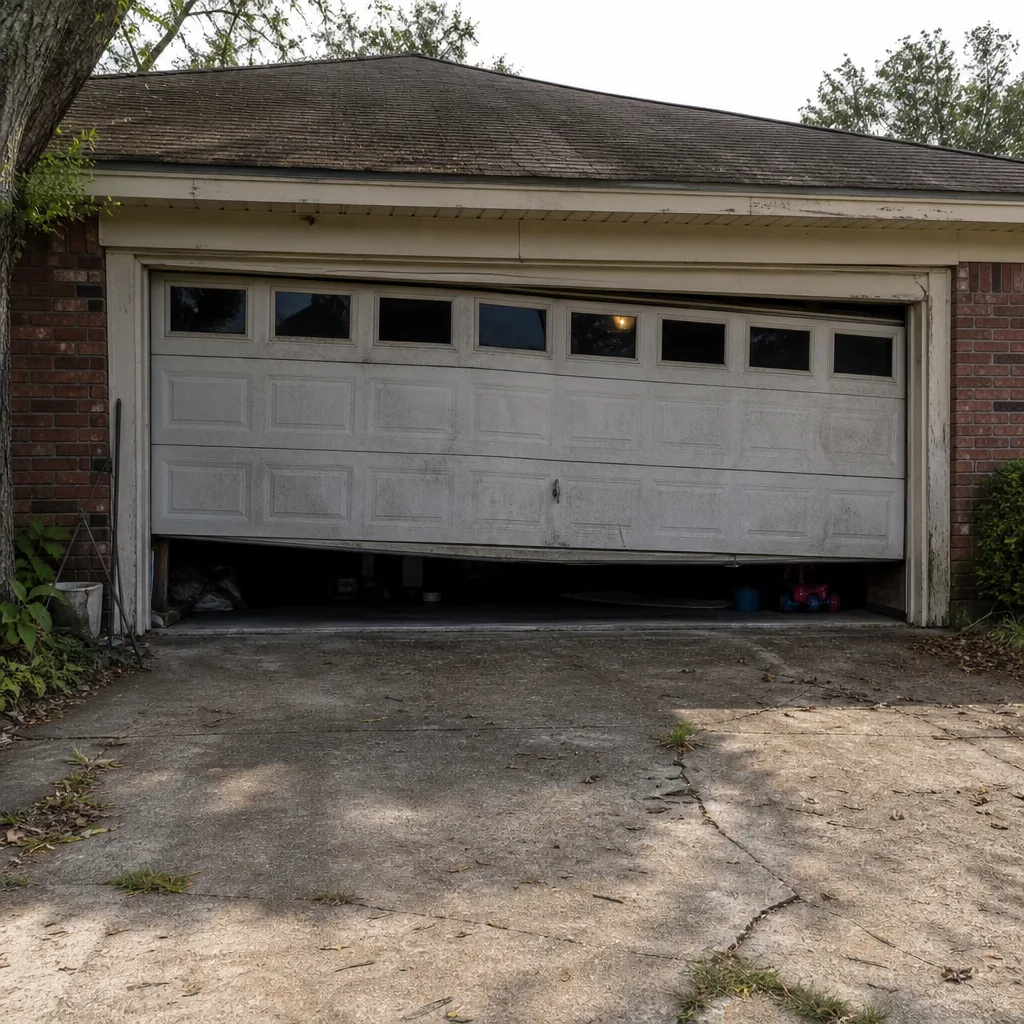 Before
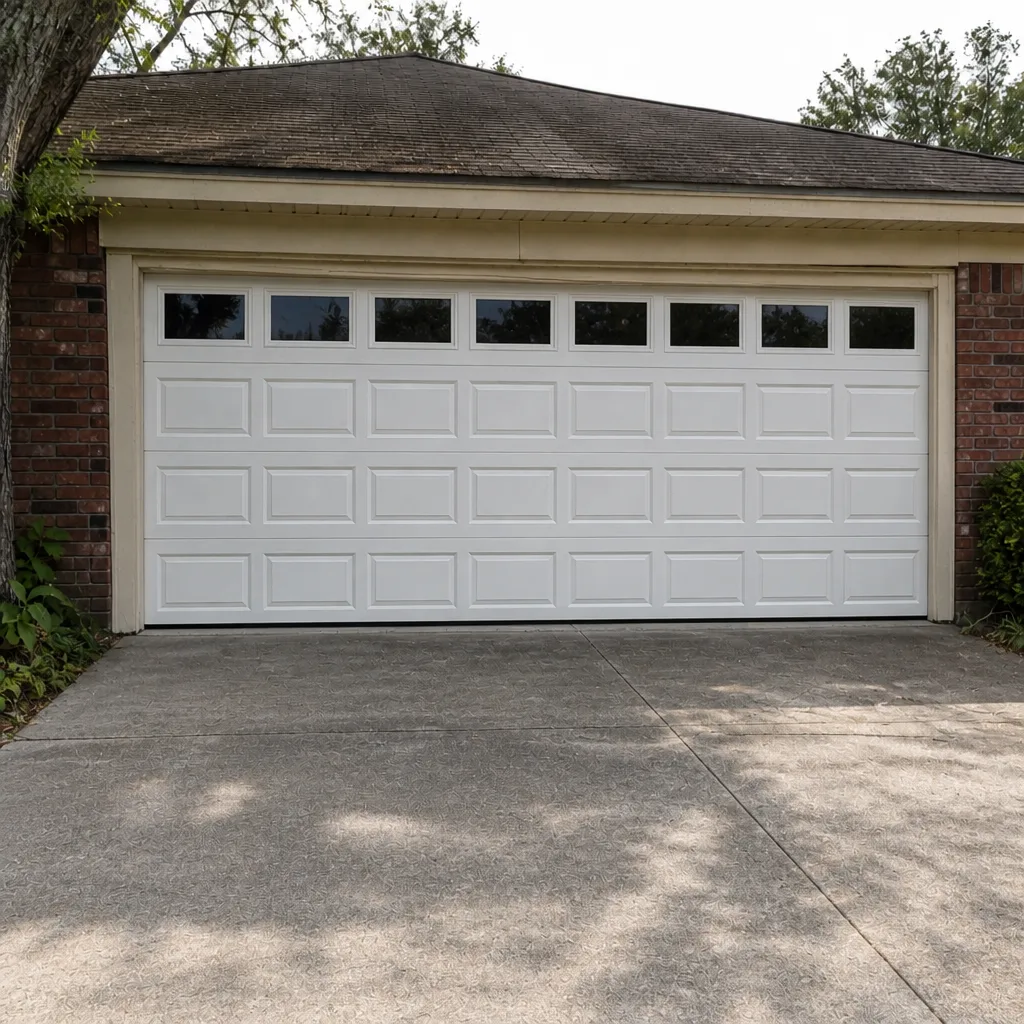 After
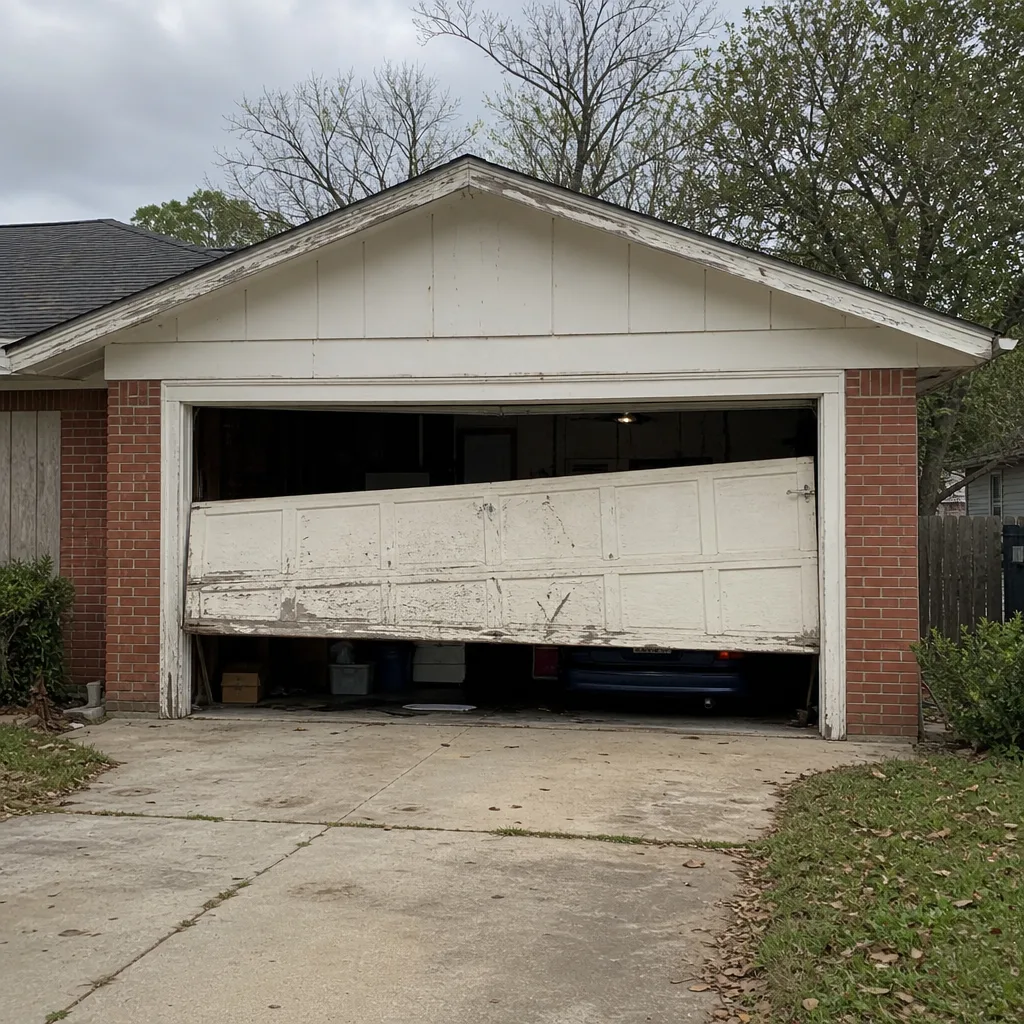 Before
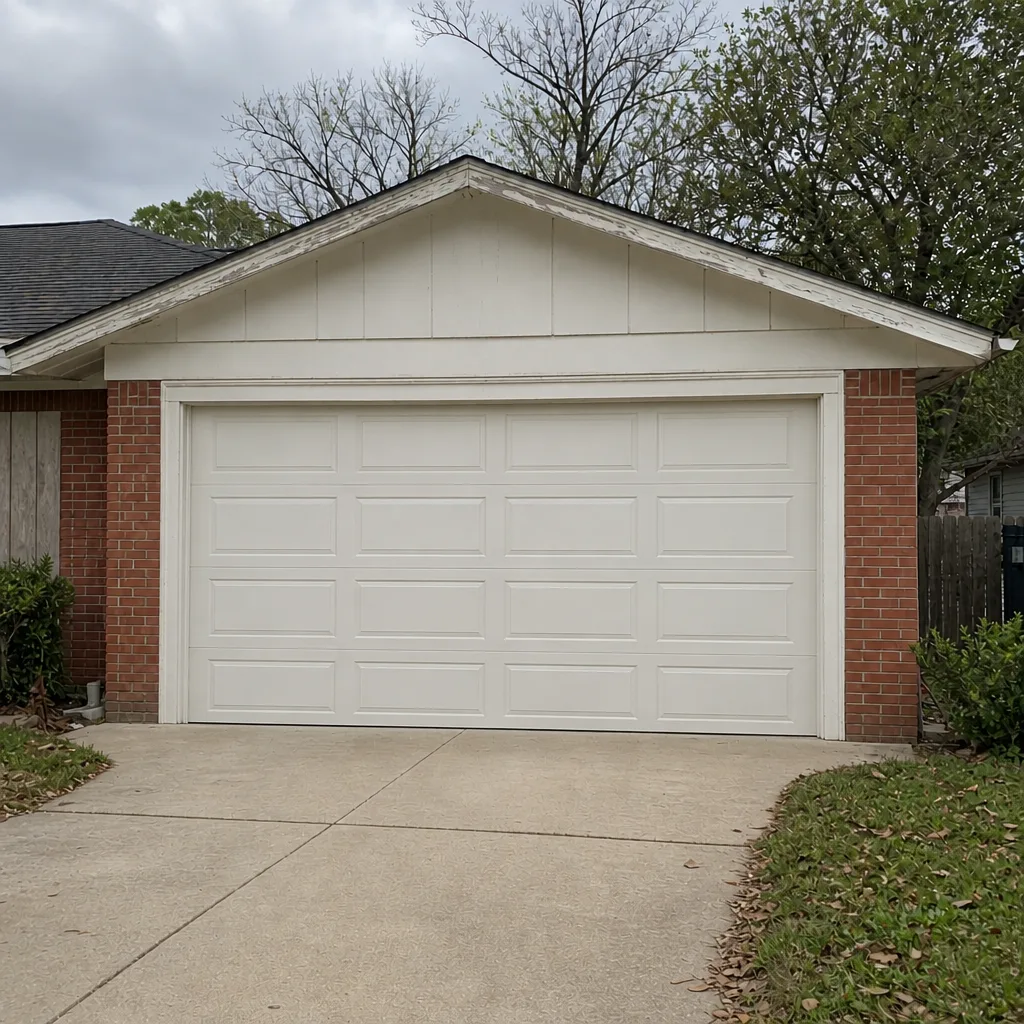 After
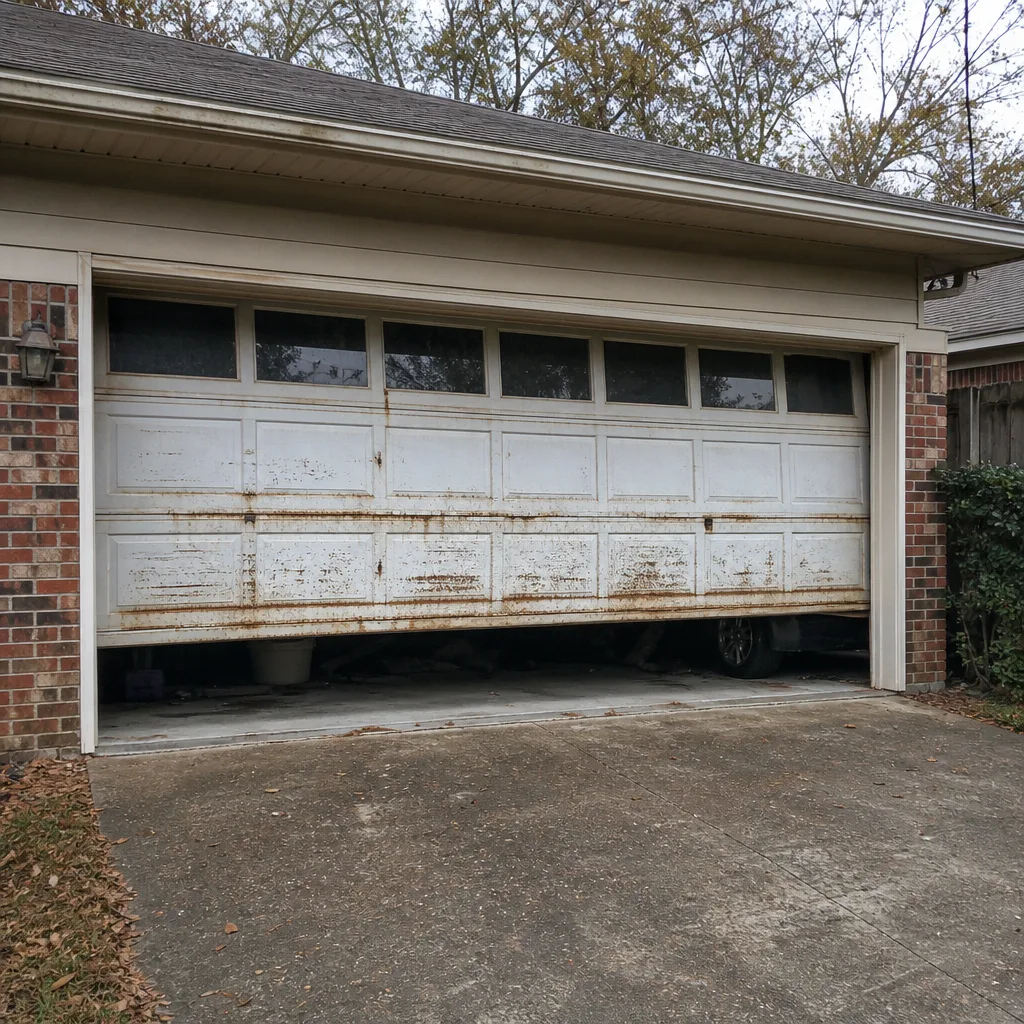 Before
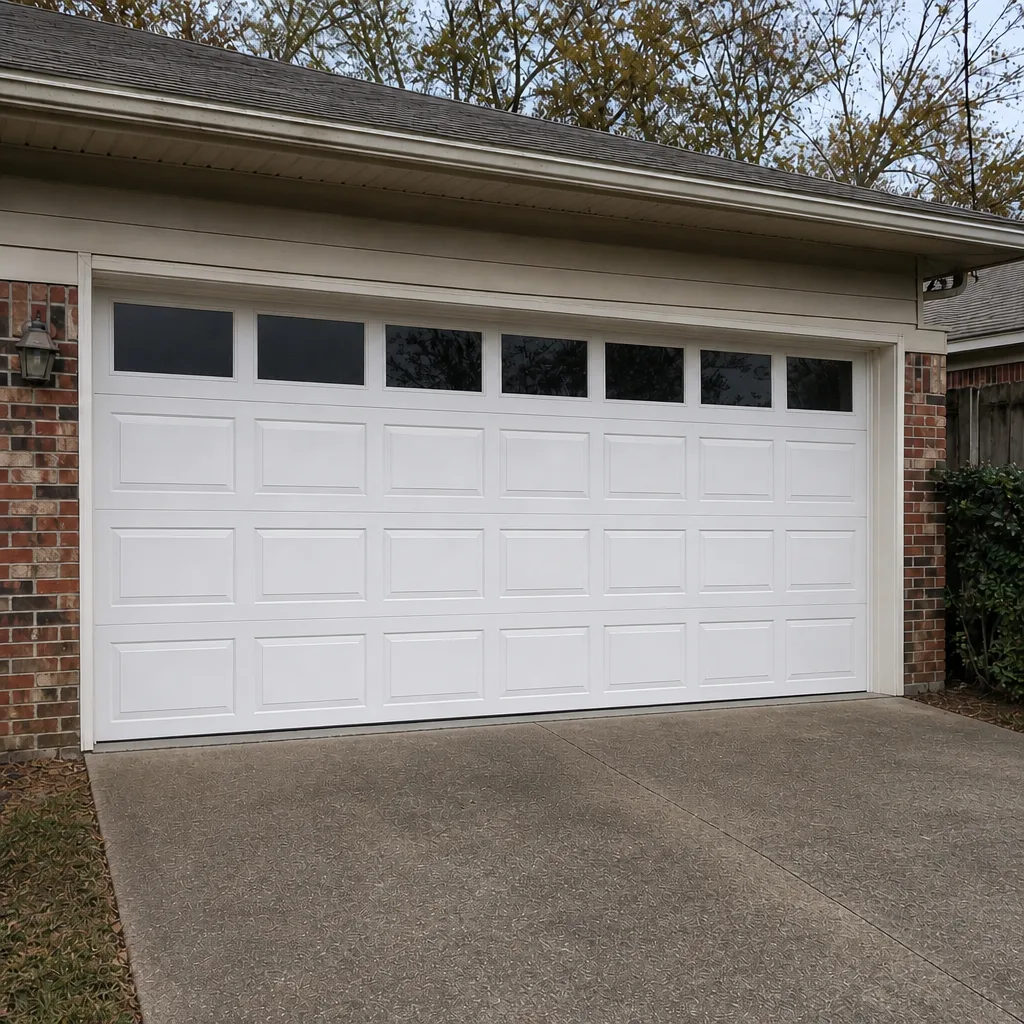 After
When to Call a Professional
Some seasonal tasks you can handle safely: cleaning, lubricating, visual checks, and the safety-reverse test. But several situations call for a trained technician, and no amount of care tips changes that.
Call a professional when:
- Your door won’t hold its halfway point, or it feels heavy to lift by hand.
- You see a broken or stretched spring, or notice a gap in the coil.
- The opener keeps tripping its thermal cutoff or otherwise behaves intermittently.
- The door is off its track, grinding, or moving crooked.
- Weatherstripping needs replacing, or panels and hardware are damaged.
- You’re planning a new door installation and want it measured and fitted correctly.
Mobile Garage Door Service offers free estimates in Mobile. Call (877) 367-4142 to get a technician to your driveway with the right tools and a straight answer.
Frequently Asked Questions
Twice a year as a baseline, plus a specific audit in May before storm season. Our climate makes the May check the most important single visit, but a spring reset and a fall cleanup keep the whole year covered.
It’s usually the opener’s thermal cutoff, not a dead motor. When the door drags or the heat is high, the motor overheats and shuts itself off until it cools. That means the door or opener needs checking before the motor suffers lasting damage, so have it looked at.
Yes. May is the calm window before the Atlantic season ramps up, and storm-driven wind and rain find every loose hinge and worn seal. A six-point audit in May catches issues while they’re still small. If you miss it, call and we’ll take a look.
Weatherstripping first, then balance, then hardware. Cold nights shrink rubber seals and leave condensation on metal, so spring is the time to check gaps, test whether the door holds at halfway, and re-lubricate. If the door is heavy or the seals are gone, call (877) 367-4142 for an estimate.
We work on all the major brands, including LiftMaster, Chamberlain, Genie, Clopay, Amarr, Wayne Dalton, Craftsman, and Raynor. Whatever brand you have, we diagnose what’s actually there and recommend the fix for your equipment, not the most expensive one.
Maintenance is routine care to prevent problems: cleaning, lubricating, inspecting, and checking seals. A repair call is for something that’s already broken or out of balance. Seasonal care reduces how often you need the second one, but when you do, our team comes to you.
The Bottom Line
Garage door care in Mobile follows the climate, not the calendar. Summer heat stresses springs and opener motors; storm season tests seals and fasteners; fall is time to clean out humidity and re-lubricate; our mild winter still brings condensation and shrunk seals. The centerpiece is a six-point audit in May before the first named storm, but a spring reset and a fall cleanup carry the year. Any new noise, slow movement, or door that won’t hold halfway is your signal to act. A little routine attention at each turn keeps your door and opener working, and one call covers repair, opener service, and installation whenever something needs more than care tips. Our technicians have up to 11 years of experience and handle every major brand.
If something on your door needs a closer look, Mobile Garage Door Service makes it easy. Call (877) 367-4142 for a free estimate. We answer 24/7. Fast dispatch from 7am to 7pm, Sunday through Friday. We come to you, and whatever brand you have, we’ll get you back up and running.
Written by the team at Mobile Garage Door Service.