
Last updated November 15, 2026
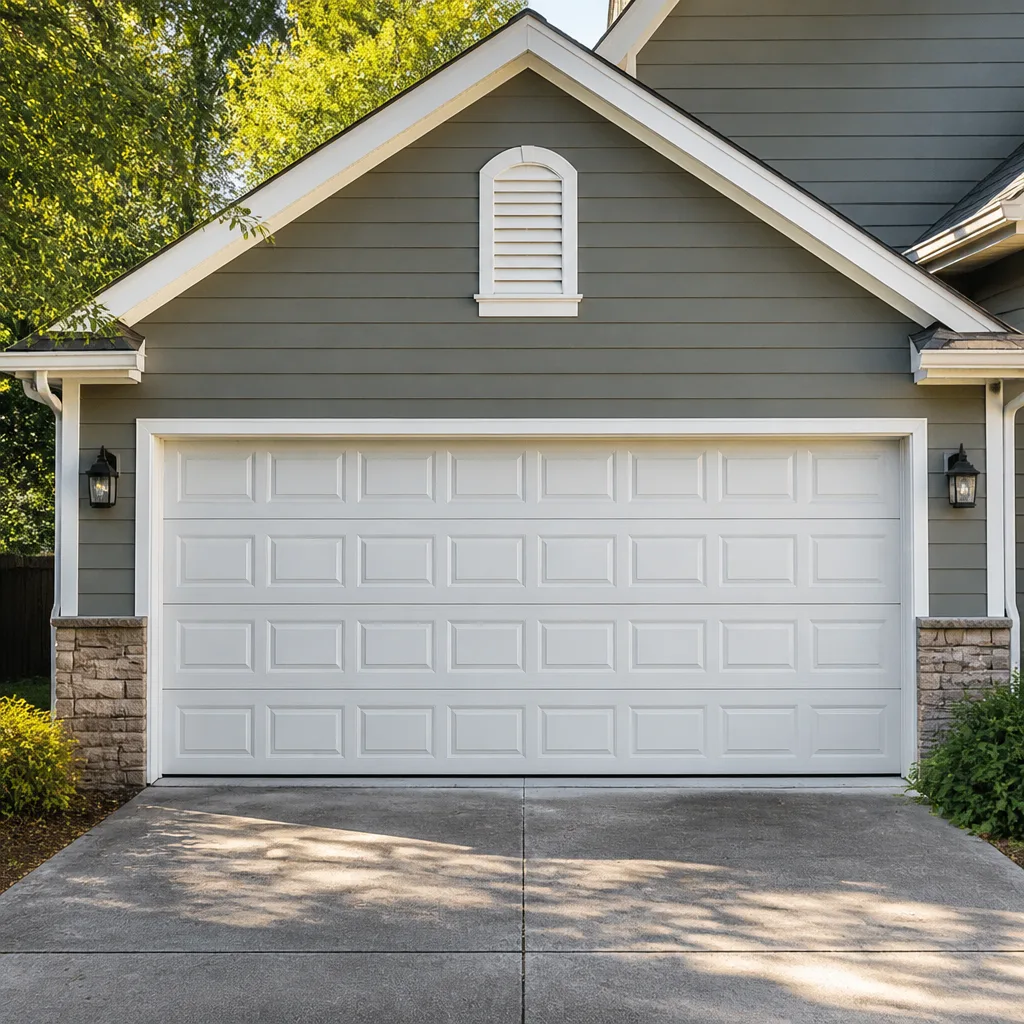 Raised-panel steel
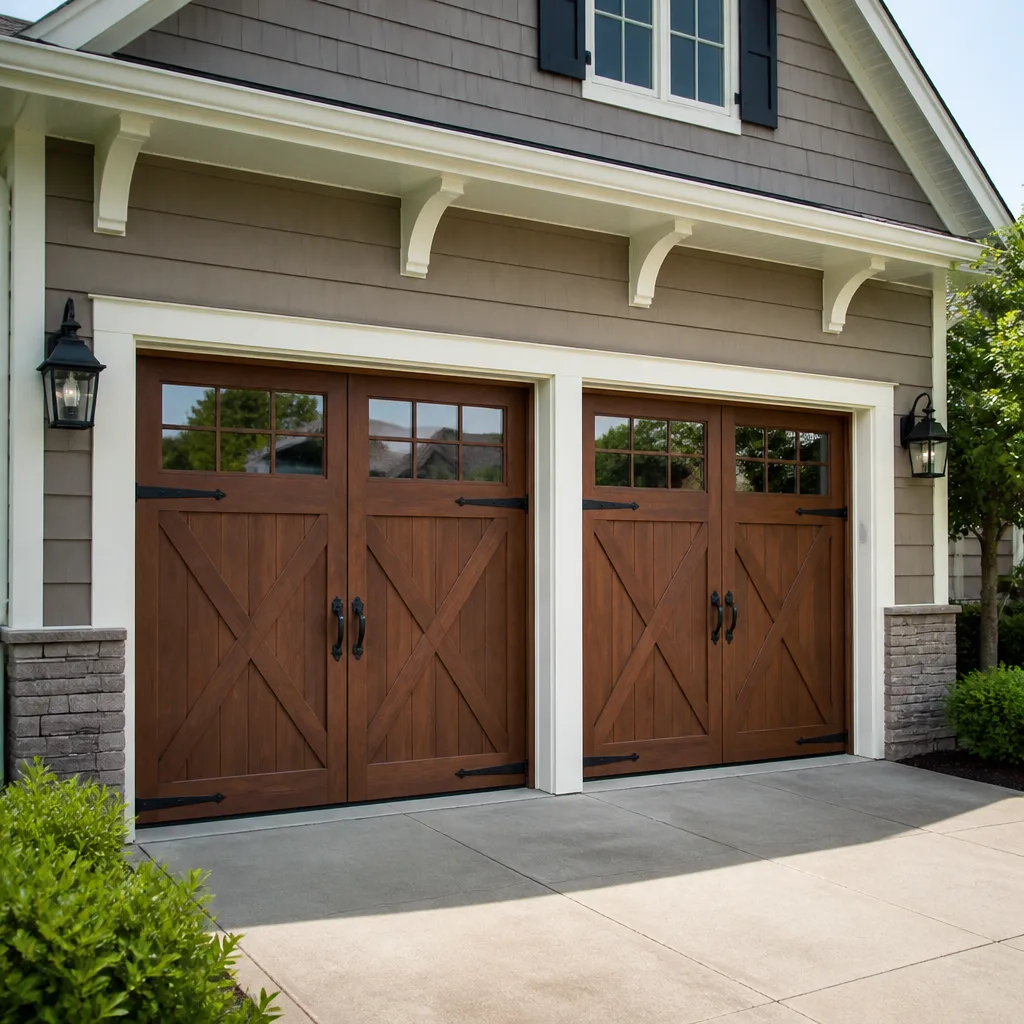 Carriage house
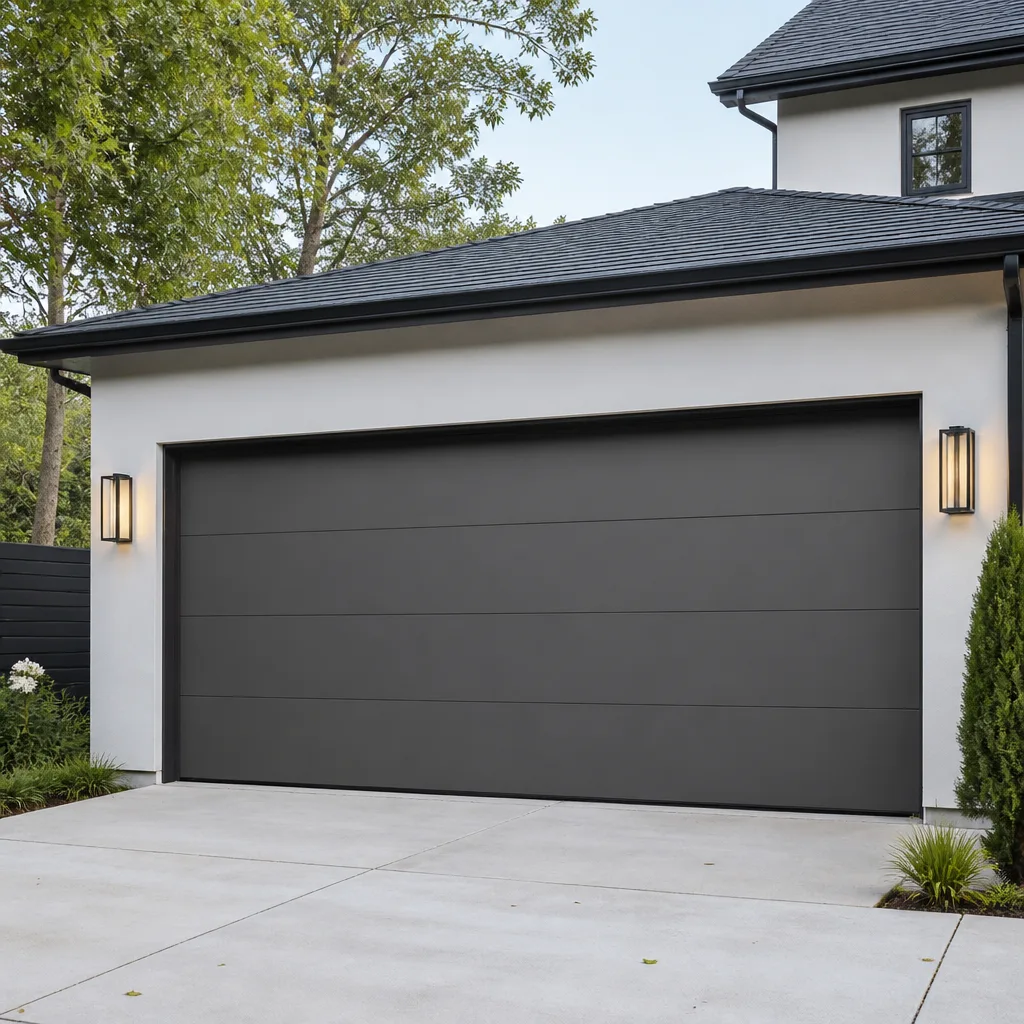 Modern flush
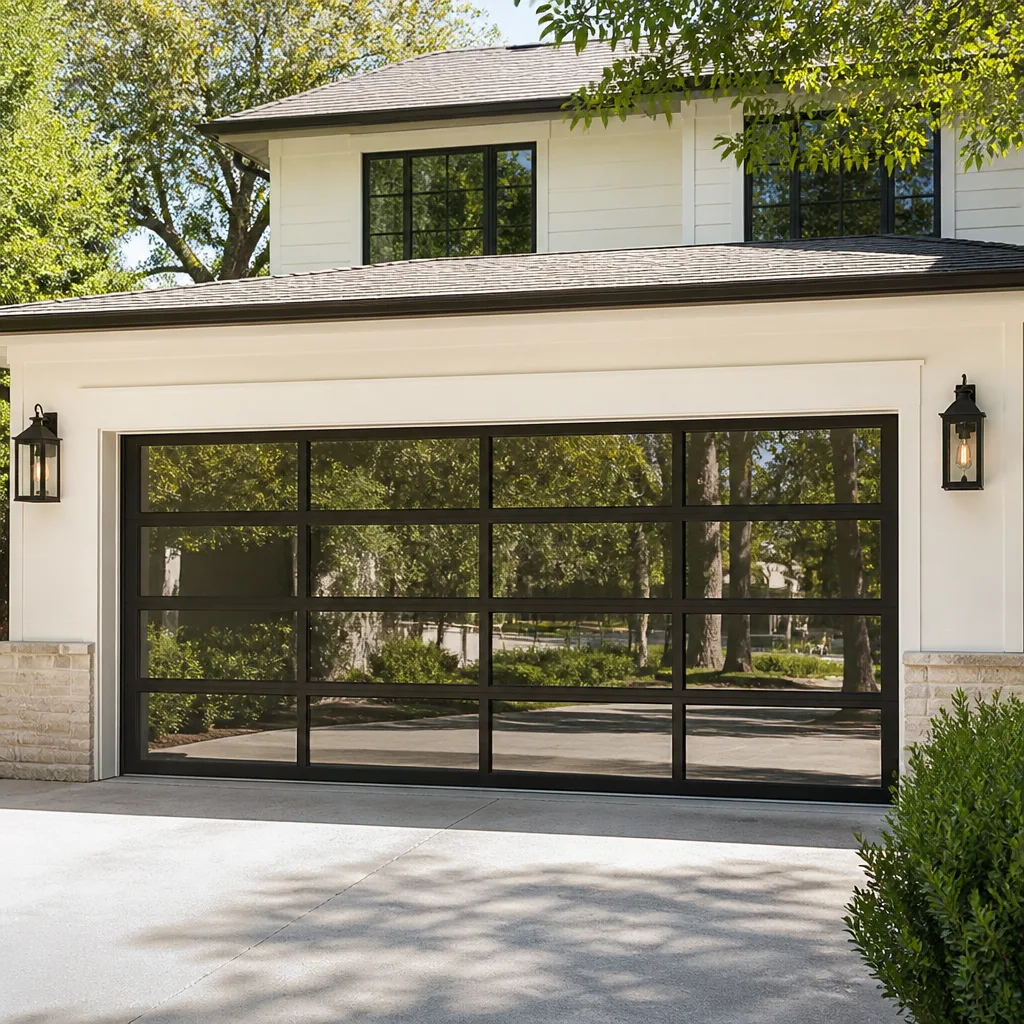 Full-view glass
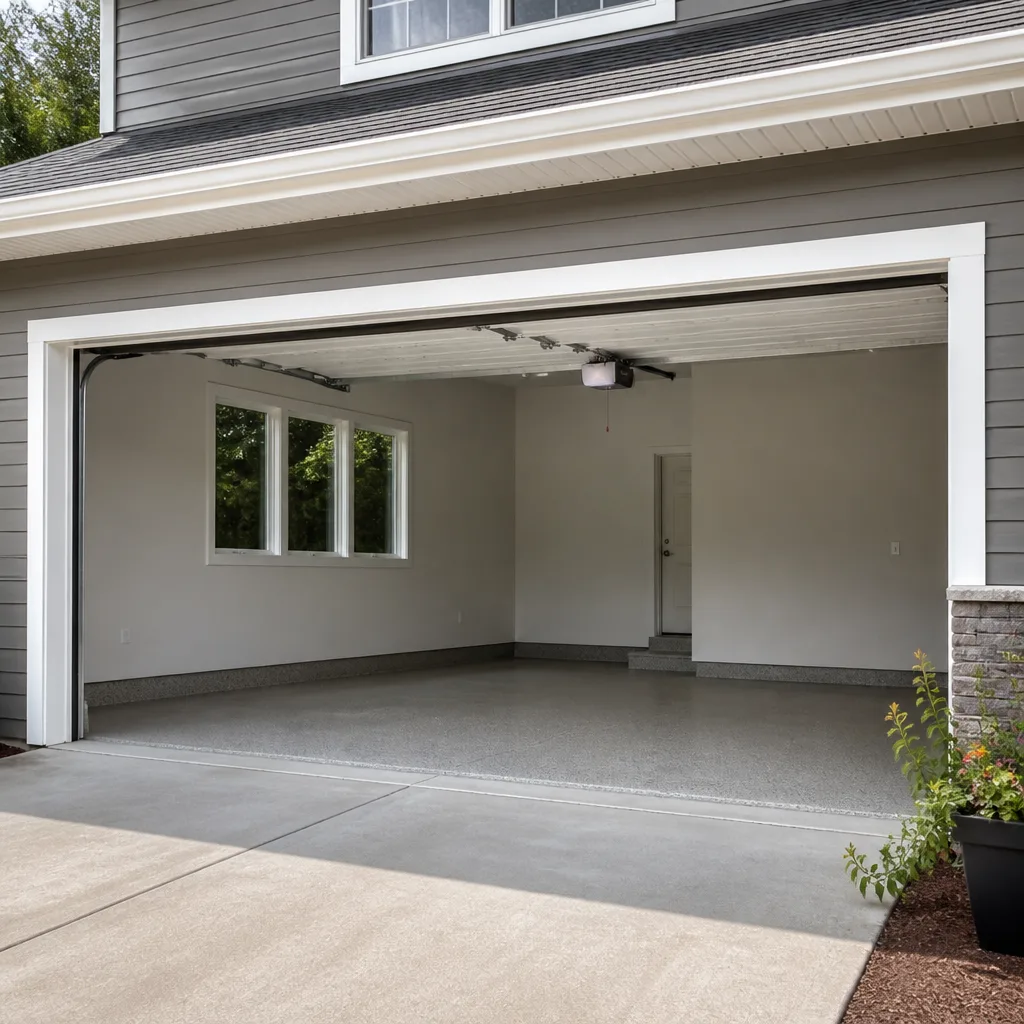 LiftMaster openers
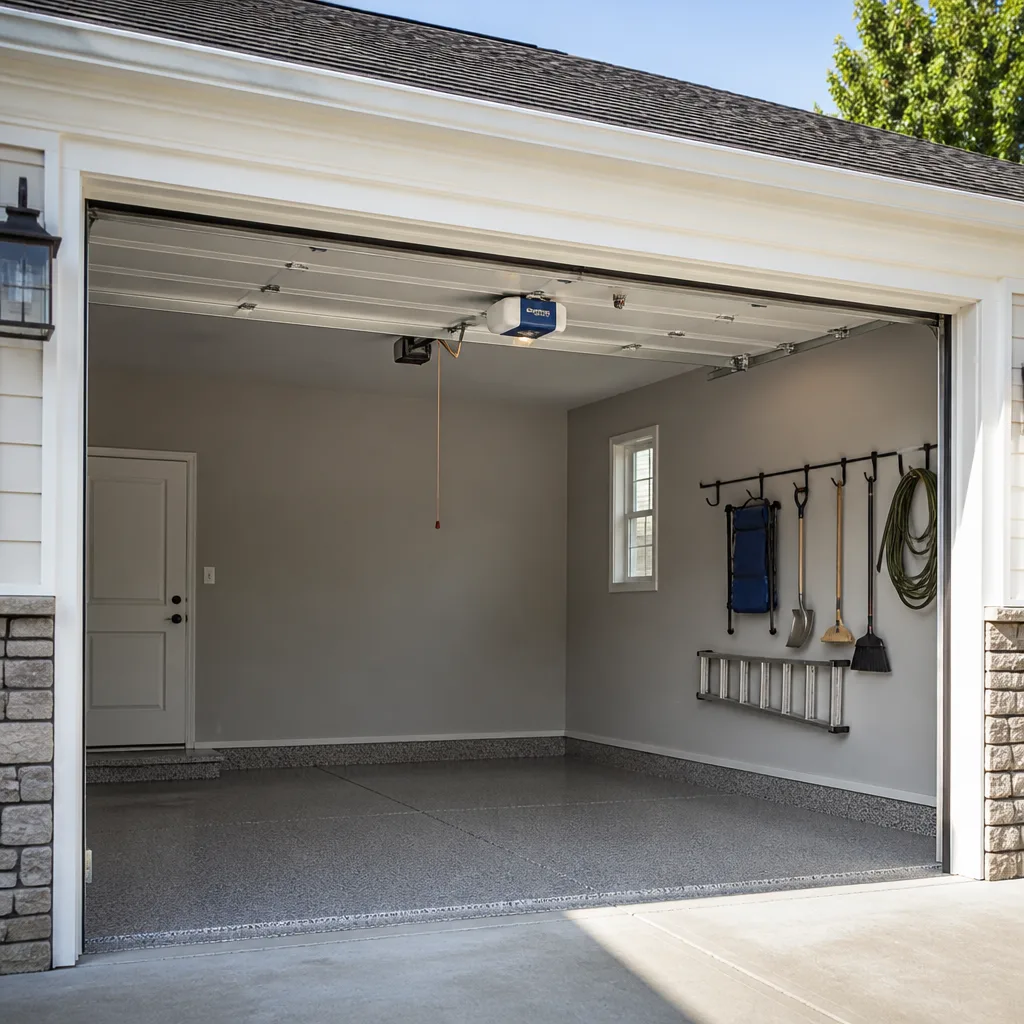 Chamberlain openers
Full 25-point door and opener safety check with every visit - springs, cables, rollers, tracks, and your LiftMaster or Chamberlain opener included
You get a price before we start. It does not change when the pro arrives.
Get your free estimateChoosing the Right Garage Door Brand: A Buyer’s Guide for Mobile
Most homeowners in Mobile shop for a garage door the same way they shop for a refrigerator: by brand name and the price tag on the showroom floor. That approach works fine in a climate that treats steel kindly. Mobile doesn’t. A brand with a spotless reputation in the Midwest can carry warranty language that quietly excludes salt-air environments, and the person behind the big-box counter has no reason to point that out. What you learn here is how to read the fine print that matters, compare steel by gauge, judge a brand by whether your local technician can actually get parts for it, and know when insulation is worth paying for.
How We Evaluate Brands in Mobile
A garage door is a long-term purchase, and in Mobile the environment does more to it than most salespeople admit. Warm, humid air holds moisture against steel, and any finish that gets scratched, chipped, or worn thin becomes a starting point for rust. Steel gauge, coating quality, and hardware grade do more to determine how long a door lasts here than the logo stamped on the panel.
We score brands on four things:
- Steel gauge and coating quality. Thicker steel and a proper hot-dip galvanized layer resist humidity and rust better than thin panels with a light primer coat.
- Warranty terms as written, not as marketed. Some warranties shorten or void when the door goes near salt air. That’s in the fine print.
- Parts availability. A door that fails on a Friday needs springs, rollers, or hinges. If those parts have to be ordered and shipped, the door stays down for days.
- Finish and hardware grade. Hinges, rollers, and fasteners wear faster in humid climates. Better-grade hardware matters more here than in dry markets.
These four factors are what we use when a customer in Mobile asks which brand to buy. Our technicians have up to 11 years of experience across the major brands, and those years are spent in this climate, on this kind of door.
Styles & brands we work with
- Raised-panel steel
- Carriage house
- Modern flush
- Full-view glass
- LiftMaster openers
- Chamberlain openers
Quick Answer
For a Mobile garage door, choose the brand whose warranty doesn’t exclude salt-air environments, whose steel is 24-gauge or thicker, and whose parts your local technician can get without a weeks-long wait. Big-box brands that dominate sales nationally aren’t automatically the right pick for a Gulf-area home. The actual winner here is a well-made door from a brand with a rust warranty that covers coastal conditions, installed by someone who can service it.
Table of Contents
- Which Brands Have Coastal Exclusions in Their Warranty Language?
- Steel Gauge: Why 24-Gauge vs. 25-Gauge Matters More in Mobile
- How to Evaluate Parts Availability in Mobile
- Insulation Value (R-Value) in a Mobile Context
- Finish Quality and Hardware Grade Beat Brand Loyalty
- Brand-by-Brand Notes: Amarr, Wayne Dalton, Craftsman, Raynor
- A Practical Step-by-Step for Choosing Your Door
Which Brands Have Coastal Exclusions in Their Warranty Language?
This is where brand selection gets real. Most residential garage door warranties cover rust or finish defects only under certain conditions, and a number of them specifically exclude or shorten coverage for homes located within a certain distance of salt water. The exclusion is a phrase in the warranty document, not something a salesperson will raise.
Common patterns we see:
- Finish warranties that void near the water. Language like “excludes installations within a specified distance of the coast” or “not warranted in coastal environments” shows up in finish and paint warranties on multiple brands.
- Full warranties that downgrade in coastal areas. Some brands cover rust for the full life of the door inland but reduce that to a short term or exclude it entirely near salt air.
- Vague “environmental” exclusions. A warranty that excludes “harsh environments” without defining the term is one to read carefully. If the brand can’t tell you whether Mobile qualifies, assume the worst.
The practical takeaway: before buying any brand, pull the written warranty and search for the words “coast”, “coastal”, “salt”, and “corrosion”. If the warranty excludes coastal areas, that brand’s advertised long-term rust coverage is worth less than the marketing implies. Amarr and Wayne Dalton both publish warranty documents you can read before you buy; look closely at the language and ask what applies here.
The climate matters for another reason, too. Hail is uncommon in Mobile, so a door’s ability to shrug off impact damage is less of a factor than finish durability and moisture resistance. Don’t let a hail-rated pitch sell you a door you don’t need.
Steel Gauge: Why 24-Gauge vs. 25-Gauge Matters More in Mobile
Steel gauge is a number most homeowners shrug off, but it’s a real factor in how a door ages in Mobile’s humidity. Lower gauge means thicker steel. A 24-gauge door is thicker than a 25-gauge door, and in a humid climate that difference affects how the panels hold up over time.
Why gauge matters here more than in other markets:
- Rust resistance. Thicker steel takes longer to reach the point where rust can compromise a panel. A paper-thin door pits through faster.
- Dent resistance. Thicker panels flex less under a bump from a car or a misjudged bike handle, which keeps the finish and the steel underneath intact.
- Weight and hardware wear. A heavier door puts more load on springs and hinges, which is why hardware grade has to match the gauge. Cheap hardware on thick panels is a false economy; thin steel bolted to decent hardware will bend before the hardware gives.
For a Mobile home that will keep the door for the long run, 24-gauge or heavier makes sense whenever the budget allows. A 25-gauge door is fine for a short hold period or a low-traffic door, but if you plan to stay, the thicker panel is worth the cost.
This is also why we don’t push the cheapest door on the lot. We’ll tell you what gauge you’re getting and what it means in this climate.
How to Evaluate Parts Availability in Mobile
A garage door is only as good as the ability to repair it. In Mobile, a brand that’s popular nationally but hard to source parts for locally is a brand that leaves you waiting on a spring or a torsion bar with the door stuck down.
How to check parts availability before you buy:
- Ask your technician which brands they carry parts for. A mobile service that works on all the major brands will know what’s available from regional distributors.
- Ask how long a spring or opener replacement typically takes. Off-the-shelf parts means hours. Special orders mean days or longer.
- Look at the parts network. Dealers and local distributors for mainstream brands generally keep common parts in stock. Niche or proprietary systems can be hard to match.
This is where brand choice intersects with who services your door. If your opener is a LiftMaster or a Chamberlain, common parts are easy to find. A less common opener may mean a longer wait when something breaks. That’s why garage door opener repair is worth talking through before you commit to a specific opener brand.
Our technicians don’t sell doors as their primary business, so we can look at what will actually be serviceable in Mobile. That’s the whole point of a mobile operation.
Insulation Value (R-Value) in a Mobile Context
R-value is how well a door resists heat transfer. In a cold climate, high R-value keeps warm air inside. In Mobile, the argument is different, and a lot of homeowners get sold more insulation than their house actually uses.
When insulation is worth paying for in Mobile:
- Your garage is connected to the house. If you can walk from the garage into the kitchen, a hot garage makes the whole house work harder. A door with a modest R-value helps.
- You work in or use the garage as living space. A workshop, gym, or an often-used room above the garage justifies the extra spend.
- The garage door faces west or south into the strongest sun. A south-facing garage in Mobile gets hot. Insulated panels cut the heat load on that side of the house.
When a high R-value is an unnecessary upsell:
- A detached, stand-alone garage. Insulation won’t help a structure the house’s HVAC never touches.
- A garage used only for parking. The temperature in the garage matters less if nobody spends time there.
- A price jump into a higher R-value that strains the budget. Spend on steel gauge and finish first; those are the things that fail in Mobile’s humidity.
We look at the house, not the brochure. A detached-garage homeowner doesn’t need the highest R-value on the market, and a connected garage usually benefits from a middle-ground door more than the cheapest one.
Finish Quality and Hardware Grade Beat Brand Loyalty
Homeowners often fixate on brand loyalty. A brand name from a big-box store carries weight, but once the door is installed in Mobile, finish quality and hardware grade decide how well it holds up.
What to look at:
- Coating thickness and prep. Good paint starts with proper surface prep. A door with a light primer and a thin topcoat will lose its finish faster in humidity than one with a baked-on finish or a strong galvanized layer.
- Hardware grade. Rollers, hinges, and fasteners all wear. Cheap stamped hinges give out sooner in a warm, humid climate.
- Correct spring rating. Springs rated for the door’s actual weight last longer. An undersized spring will fail early, no matter which brand made the door.
Brand loyalty is fine as a starting point, but a well-coated 24-gauge door from a mid-tier brand can outlast a premium-brand door with a poor finish and cheap hardware. That’s the case we make to customers in Mobile all the time.
Brand-by-Brand Notes: Amarr, Wayne Dalton, Craftsman, Raynor
We service all the major brands, and here’s a straight read on four of them in the Mobile context.
Amarr. A solid choice in the residential market. Amarr publishes its warranty documents, so check the rust and finish language for coastal exclusions. Amarr doors are common enough that parts aren’t hard to source in Mobile.
Wayne Dalton. Familiar to many homeowners. Look at the gauge and the finish on the specific model you’re considering; the line is broad, and quality varies across it. Turn to Wayne Dalton where the model spec fits the budget.
Craftsman. Craftsman openers are common in Mobile, which means service and parts are easy to find. The doors vary; check the gauge and warranty.
Raynor. A dependable option. Ask about the finish warranty as it applies here, and confirm the parts path before buying.
Whichever brand you pick, garage door repair availability matters as much as the door itself. We want to be the ones you call if something goes wrong, and we want you to know that whoever installs your door will be able to service it.
A Practical Step-by-Step for Choosing Your Door
Here’s how to work through the decision.
- Read the warranty first. Look for coastal exclusions before you look at the price tag.
- Check the steel gauge. Aim for 24-gauge or heavier in a home you plan to keep.
- Decide whether the garage is connected or detached. That determines how much insulation value is worth paying for.
- Ask your technician which parts are easy to get. If the brand’s parts take weeks to arrive, the door becomes a liability.
- Compare finish and hardware grade across the models in your budget. A well-coated door outlasts a premium logo on thin steel.
- Get the door installed by someone who services it. That’s where a mobile operation makes the difference.
We come to you for the measure. No showroom trip, no hauling a door anywhere. We bring the door to your driveway. If you’re building or remodeling in Mobile and need a reliable installation partner, that’s exactly what we do.
Common Mistakes to Avoid
- Buying a brand without reading the warranty. A warranty that excludes coastal areas is a promise that doesn’t apply to your home. Read it before you buy, not after the door rusts.
- Skipping the steel gauge. A 25-gauge panel in a humid climate is going to pit and wear sooner than a 24-gauge one. Pay attention to the spec sheet, not just the brochure photo.
- Over-insulating a detached garage. A high R-value on a garage the house’s HVAC never touches is money spent on nothing. Check whether the garage is attached first.
- Choosing a brand whose parts aren’t stocked around Mobile. A door that needs a special-order spring can sit a week longer than one whose parts a local technician keeps in stock.
- Assuming a familiar logo means durability. A big-box brand with a thin finish won’t hold up as well as a mid-tier brand with better coating. Look at the build, not the name.
- Letting a store own the measure and install. A mobile technician who services the door afterward catches fit problems a store installer would never revisit.
- Forgetting hardware grade. Springs, hinges, and rollers wear faster in a warm, humid climate. Ask what grade the hardware is before you commit.
See the difference
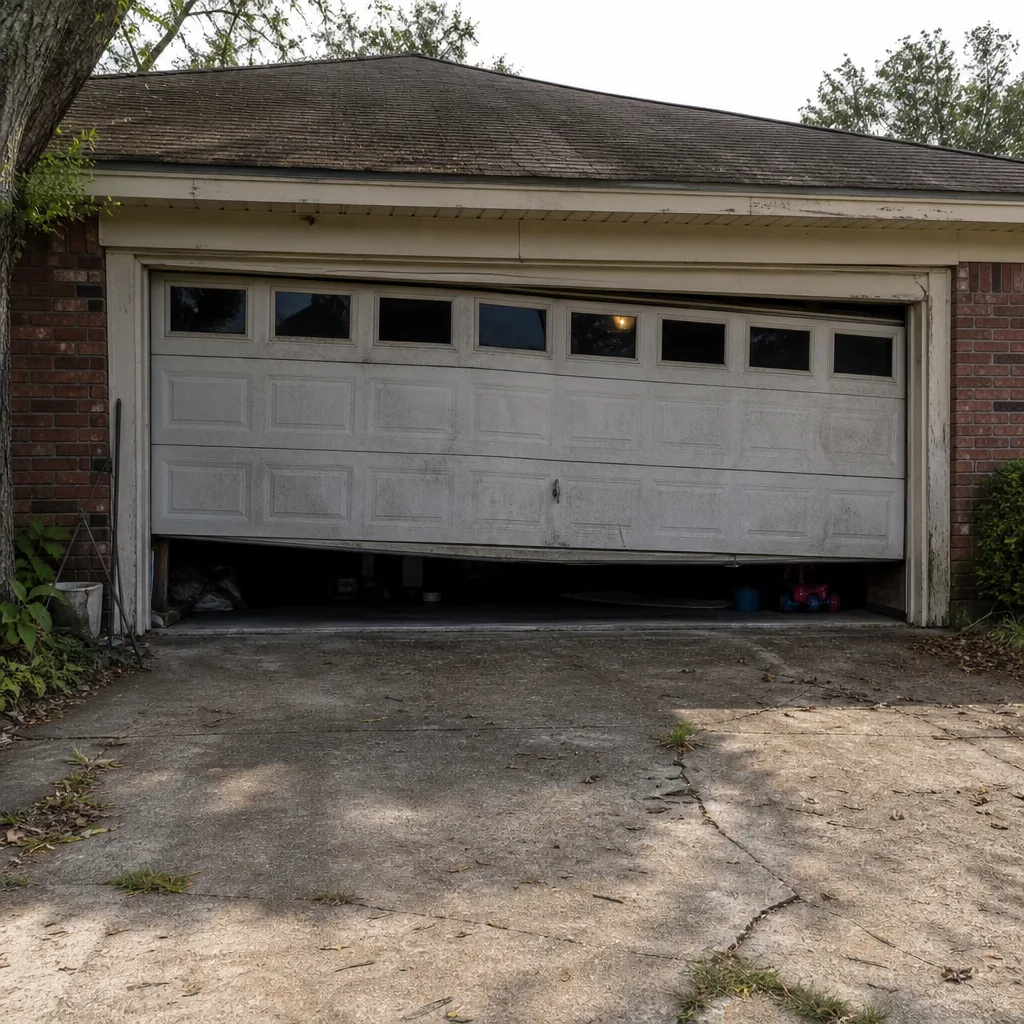 Before
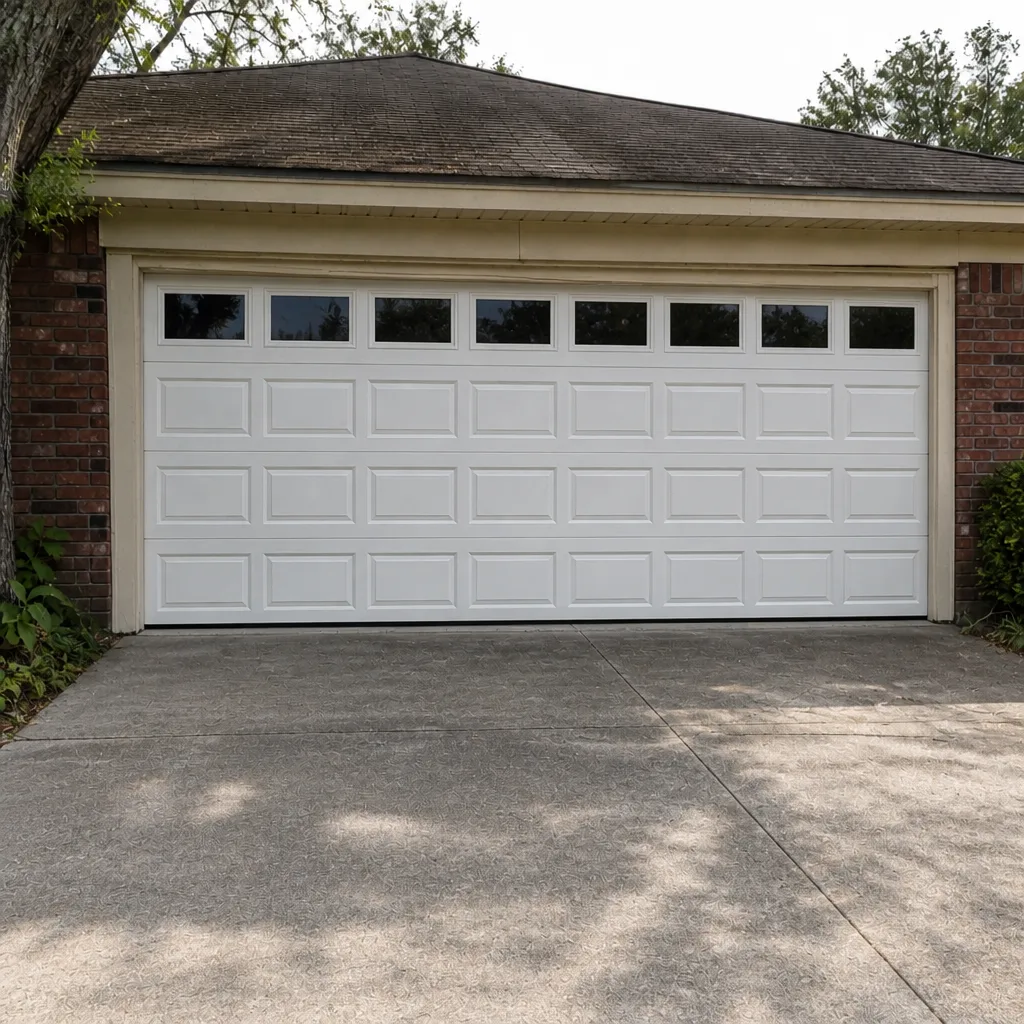 After
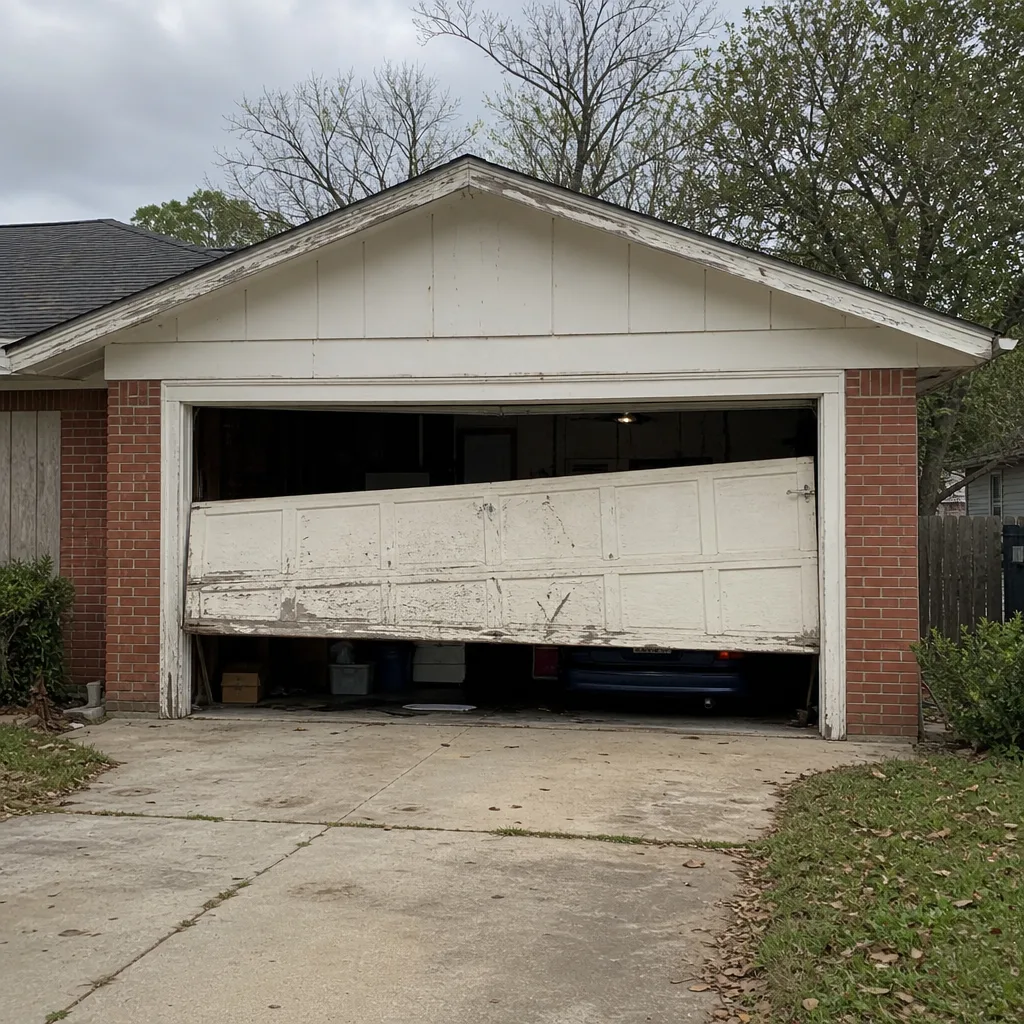 Before
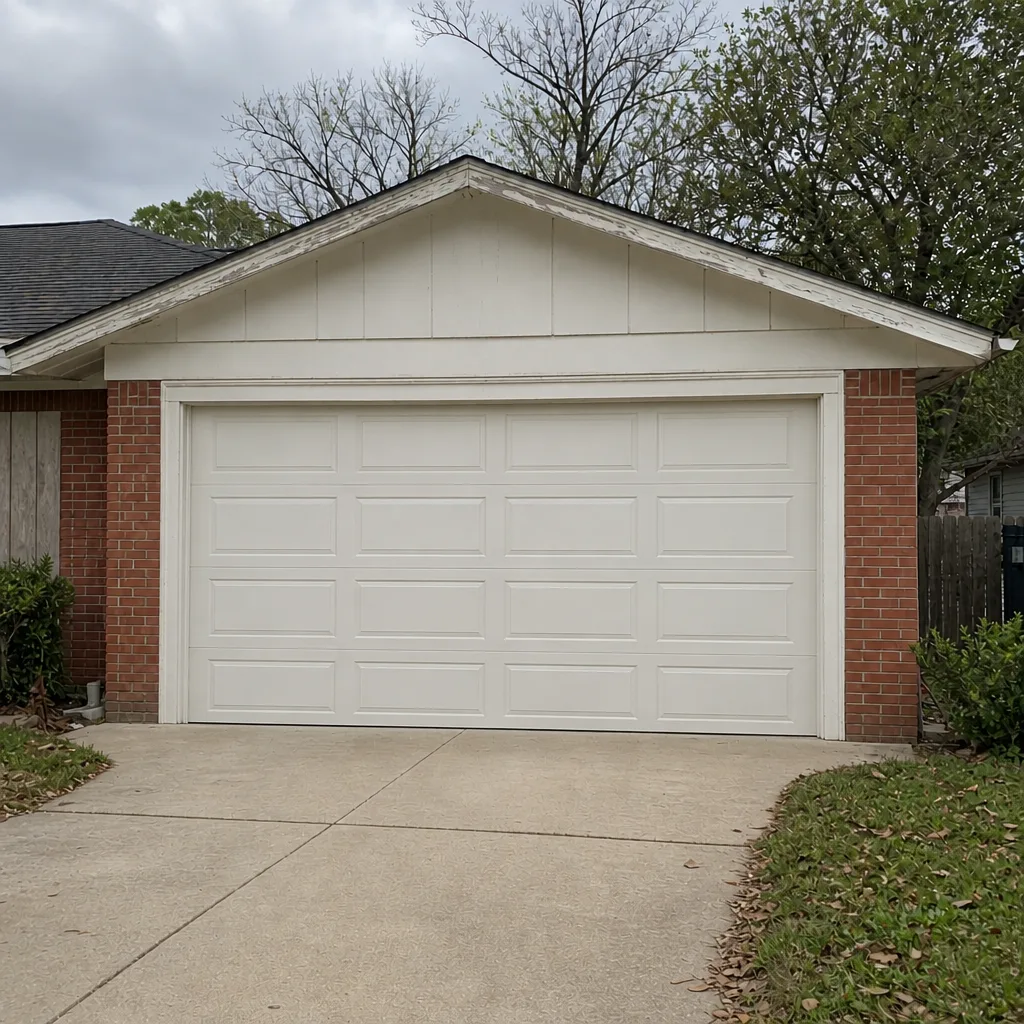 After
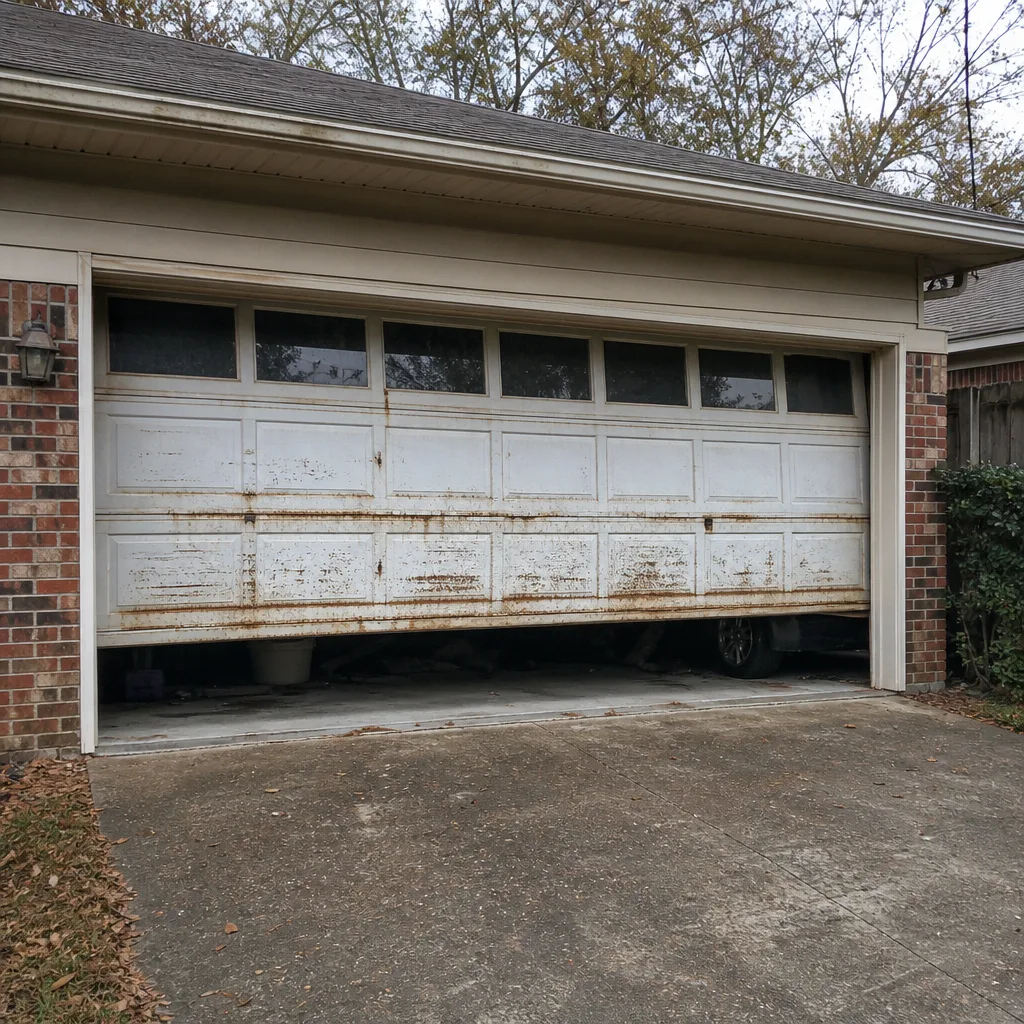 Before
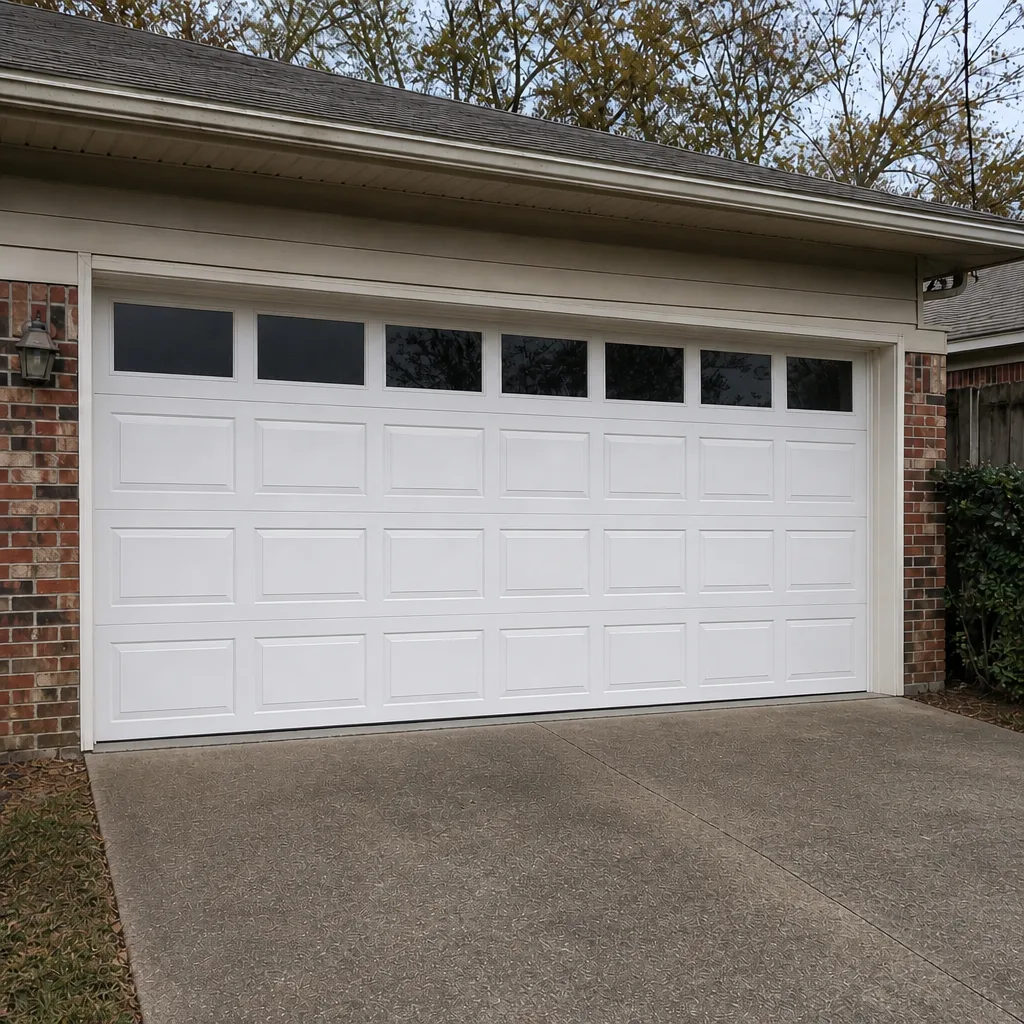 After
When to Call a Professional
Some jobs are yours to handle, and some aren’t. If your door is balanced but noisy, the fix may be simple. If a torsion spring has snapped, a panel has come off its track, or your opener won’t respond to the remote, the safe move is a trained technician. Garage door springs are under high tension and can cause serious injury if handled without the right tools and training; we strongly advise against trying to adjust or replace one yourself. Same goes for electrical work on the opener or any job that involves a door hanging above your car. For opener diagnostics or a full replacement, a trained eye saves you from buying the wrong unit for your existing door. Mobile Garage Door Service offers free estimates in Mobile, and we handle garage door repair, openers, and installation with the same team. Call (877) 367-4142. We answer 24/7. Fast dispatch from 7am to 7pm, Sunday through Friday.
Frequently Asked Questions
The best pick in Mobile is a brand with a warranty that doesn’t exclude coastal environments, steel of 24-gauge or thicker, and parts your local technician can source quickly. That rules out brands whose fine print voids finish coverage near salt air, no matter how recognizable the logo. Our technicians can walk you through the warranty language on the brands you’re considering before you commit.
Yes, the humidity and warm air in Mobile are hard on steel, and a door with thin panels and a light finish will show rust and wear sooner than a thicker, better-coated one. That’s why steel gauge and coating quality matter more here than in drier markets. It’s also why some brands’ finish warranties specifically exclude coastal areas.
24-gauge or heavier is the practical choice for a home you plan to keep in Mobile. A 25-gauge door is thinner and wear faster in a humid climate. Ask what gauge you’re getting before you sign.
Not always. It’s worth the cost if the garage is connected to the house, faces the hottest sun, or is used as a workshop or living space. For a detached garage that holds cars, a high R-value adds cost without adding much benefit. Put your budget toward steel gauge and finish first.
Yes. We work on all the major brands, including Amarr, Wayne Dalton, Craftsman, and Raynor, whether the door came from a store, a dealer, or a builder. Garage door opener repair and mechanical door work are handled on-site at your Mobile home, and so is full installation. We come to you for the estimate and the work.
Call us and we’ll get you scheduled. We answer 24/7. Fast dispatch from 7am to 7pm, Sunday through Friday; a call outside dispatch hours is booked into the next opening. Don’t try to replace a broken torsion spring yourself. Those springs are under high tension, and injury is a real risk.
The Bottom Line
Brand choice for a Mobile garage door comes down to reading the warranty, checking the steel gauge, and confirming that parts for the brand are easy to source here. A door with a coastal-excluded finish warranty isn’t worth its logo, and a 25-gauge cheap panel will cost more over its service life than a well-coated 24-gauge door. Insulation value earns its price on a connected garage and usually doesn’t on a detached one. Finish quality and hardware grade outlast brand loyalty. If you want a brand-agnostic assessment from a technician who fixes doors all day in Mobile, we’re one call away. See the full range of what we handle at Mobile Garage Door Service.
Get a Free Estimate
Choosing the right garage door brand in Mobile is easier when someone who services doors for a living looks at the warranty, the steel gauge, and the parts path with you. Mobile Garage Door Service provides on-site repair, opener service, and full installation, and we come to you for the measure and the estimate. Our technicians have up to 11 years of experience across the major brands. Call (877) 367-4142 for a free estimate. We answer 24/7. Fast dispatch from 7am to 7pm, Sunday through Friday.
Written by the team at Mobile Garage Door Service.