
Last updated November 15, 2026
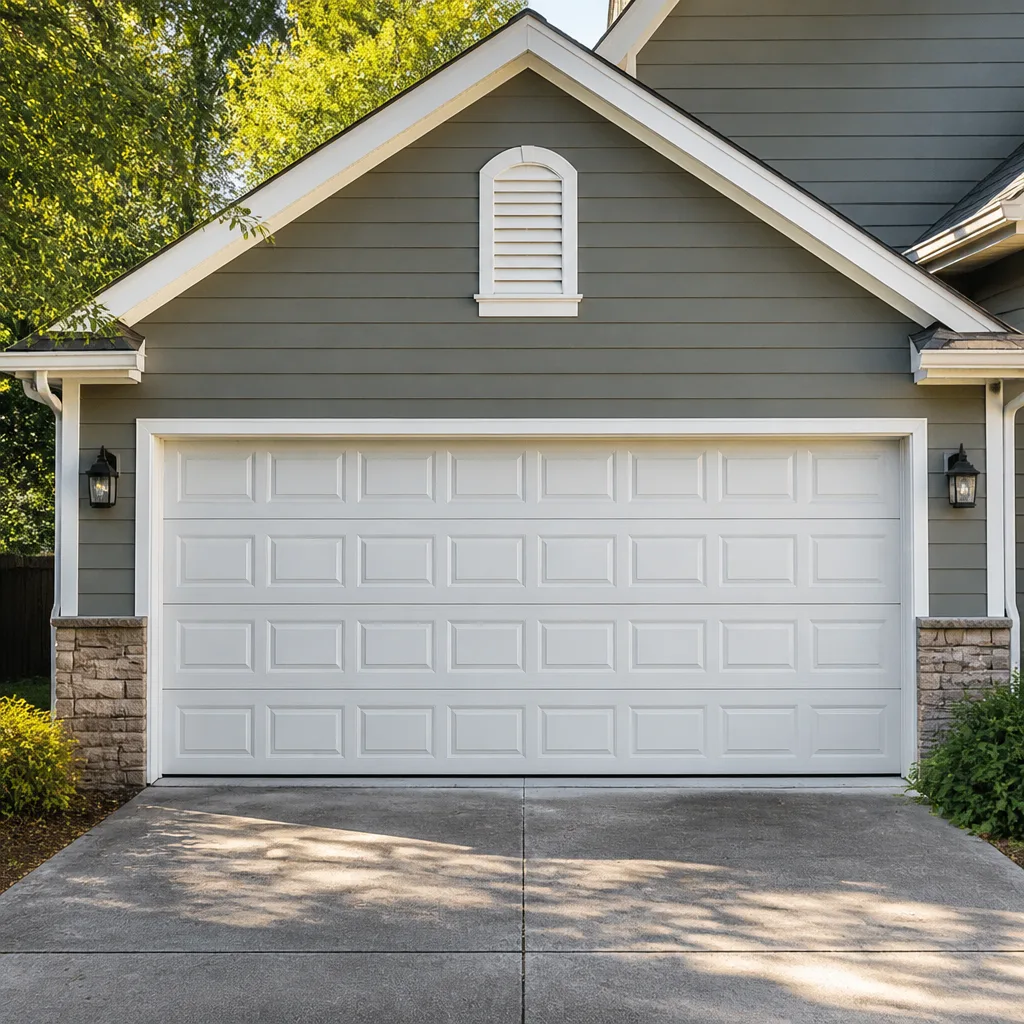 Raised-panel steel
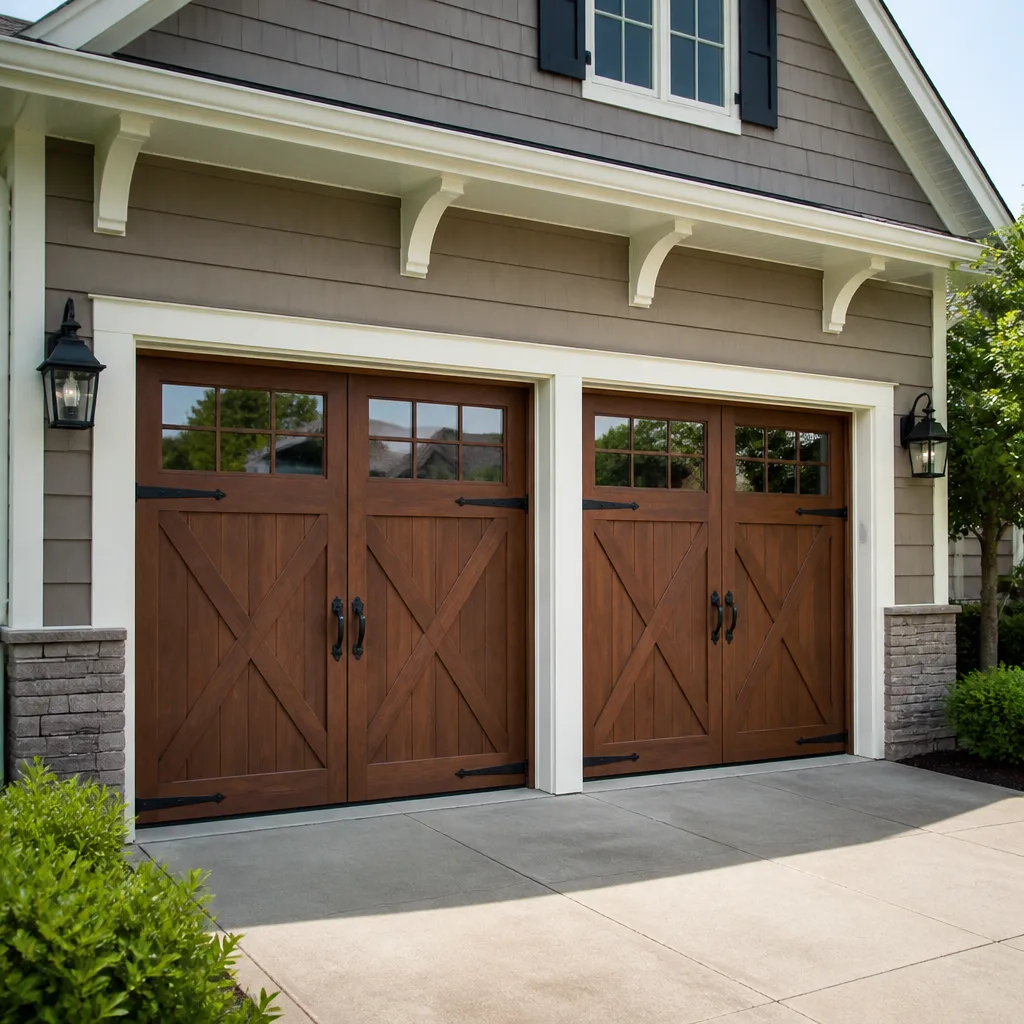 Carriage house
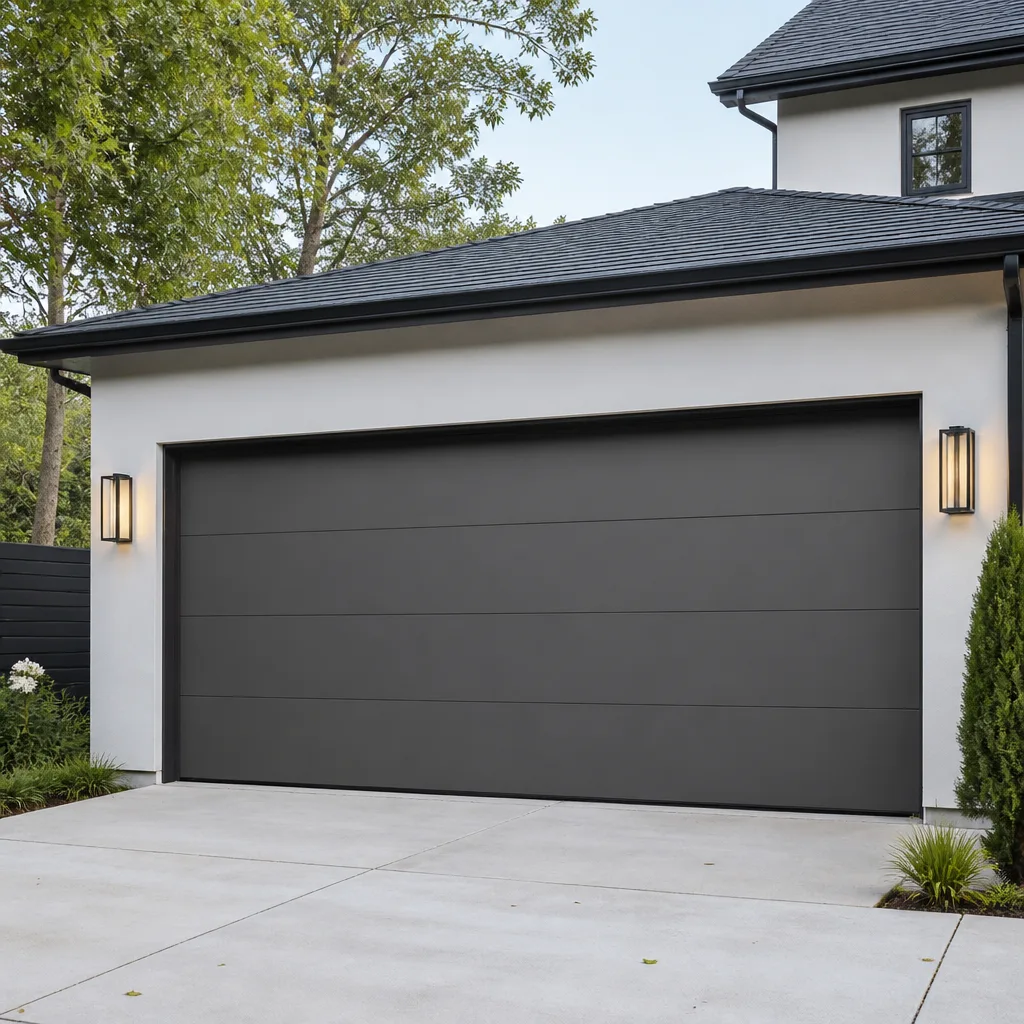 Modern flush
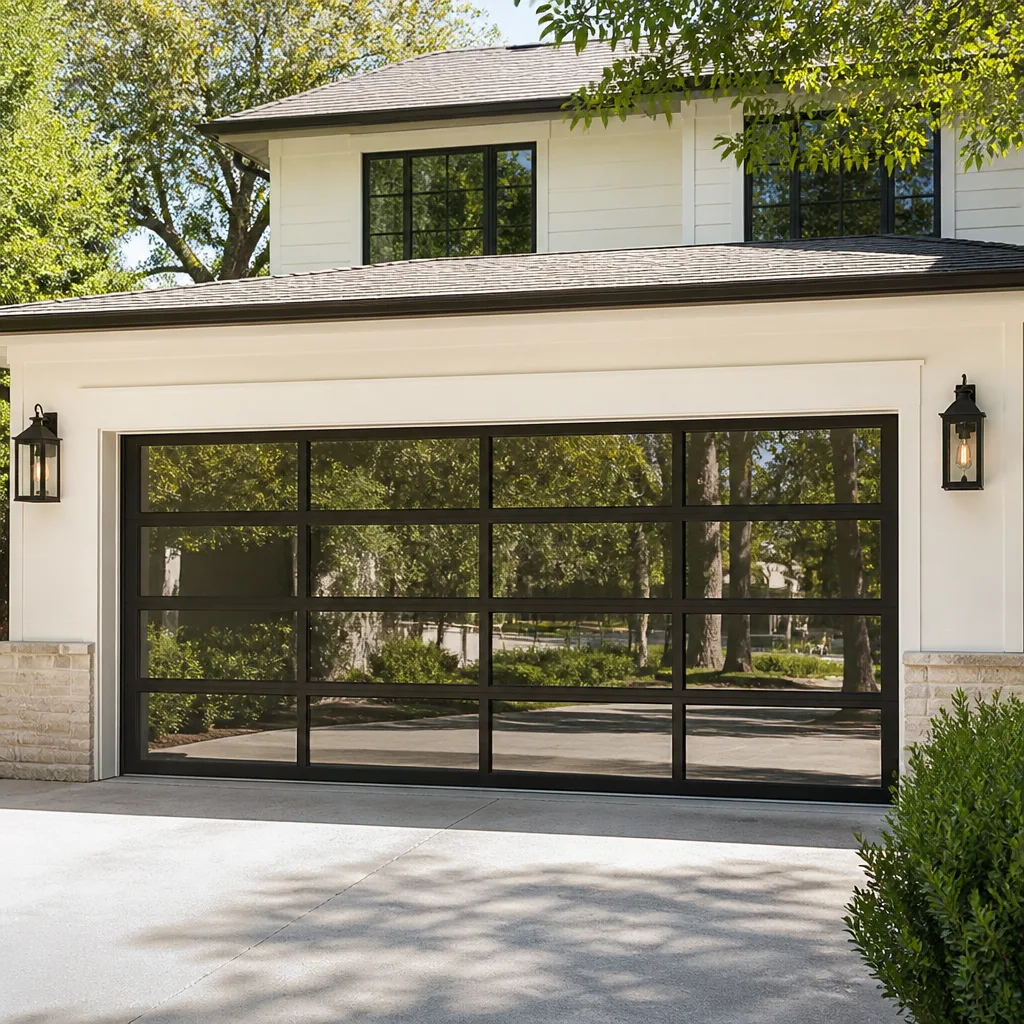 Full-view glass
 LiftMaster openers
 Chamberlain openers
Full 25-point door and opener safety check with every visit - springs, cables, rollers, tracks, and your LiftMaster or Chamberlain opener included
You get a price before we start. It does not change when the pro arrives.
Get your free estimateGarage Door Permits, Codes & Inspections in Mobile, AL: What You Need to Know
Most Mobile homeowners assume a garage door is a simple swap. Take the old one off, hang a new one, done. The part that catches people off guard is paperwork. Replacing a door changes the structure’s wind resistance, and in Mobile County that puts the job inside the building code. That’s the piece folks miss until a lender or an adjuster asks for documentation that doesn’t exist. This guide walks through when the City of Mobile requires a permit for garage door work, how wind load rules shape which doors get approved, what an inspector actually checks, and how missing paperwork follows a house long after the install. Mobile weather makes all of this more than a technicality.
Quick Answer
In Mobile, replacing a garage door (not just repairing one) generally requires a building permit because the door is part of the wind load envelope of the house. Opener repairs and most mechanical fixes on an existing door don’t trigger a permit. If you’re installing a new door, especially in a storm-risk zone in Mobile County, expect plan review, product documentation, and an inspection before the job is signed off. Ask the city’s building department to confirm your specific address, since requirements can shift street to street.
Styles & brands we work with
- Raised-panel steel
- Carriage house
- Modern flush
- Full-view glass
- LiftMaster openers
- Chamberlain openers
Table of Contents
- When does garage door work need a permit in Mobile, AL?
- Replacement vs. repair vs. opener only: what’s the difference?
- Wind load requirements and why they matter here
- Hurricane-rated doors and how inspections apply
- What an inspector actually looks at
- How unpermitted work hits insurance and home sales
- Common mistakes to avoid
- Frequently asked questions
When does garage door work need a permit in Mobile, AL?
A permit is typically required when you replace a garage door or change the opening, and typically not required for repairs to the existing door or work on the opener alone. That’s the short version. The longer version depends on what’s happening to the door and how the installation affects the structure’s wind resistance.
The distinction rests on one question: is the change structural or is it maintenance? A permit is about grading the building against a design standard. If you’re pulling a door and setting a new one, you’re replacing part of the envelope. The city wants to see that the replacement meets the wind load requirement for that location. If you’re repairing a broken spring, straightening a track, or replacing a damaged panel with an identical one, you’re maintaining what’s already there. That work doesn’t get a permit.
Here’s how the categories usually shake out:
- Full door replacement: Permit typically required. Product specifications and installation details usually go with the application.
- New opening or enlarged opening: Permit required, and often closer structural review of the header and framing.
- Panel replacement to match the existing door: Usually no permit if the panel matches the original spec.
- Spring, cable, roller, or hinge repair: No permit.
- Opener replacement, opener repair, or remote and wall button work: No permit.
- Track realignment or hardware adjustment: No permit.
The single most common misjudgment in Mobile is treating a full door swap like a repair. It isn’t. The other frequent mistake is assuming that because the previous door was already installed, the new one just needs to match. Matching the old door doesn’t necessarily satisfy current requirements for wind resistance at that address.
We can’t tell you what your specific permit requirement is. That comes from the City of Mobile’s building department, and it depends on your address, your zone, and the specifics of what’s changing. What we can do is walk through the categories so you know which questions to ask. For the repair side of the work, garage door repair covers everything that doesn’t need paperwork.
Replacement vs. repair vs. opener only: what’s the difference?
Replacement means a new door. Repair means work on the existing door. Opener-only means the door stays and the motor, rails, or controls get fixed or swapped. Only the first one normally needs a permit in Mobile.
The line between repair and replacement can be blurrier than it sounds. Replacing three sections of a four-section door because of impact damage is a repair if the panels match the original spec and the structure of the opening doesn’t change. Replacing all four sections with a door of a different weight, different material, or different wind rating is a replacement, even if the opening is identical. The test isn’t how many pieces you swap. It’s whether the door as a system is still the same door that was originally approved.
Opener work is the easiest category. Motors, rails, brackets, wall consoles, safety sensors, and remotes are all appliances on the door, not structural parts of it. Replacing a LiftMaster or Chamberlain unit with a comparable one, or fixing the one you have, doesn’t change the wind envelope. No permit is involved.
- Ask what’s actually changing. Sounds obvious, but start with the specific door components coming out and going in.
- Check whether the door as a whole is being replaced. If the answer is yes, assume a permit applies until the city says otherwise.
- If only panels or hardware are being repaired, confirm the replacement parts match the original door’s specifications. Mismatched parts push a repair into replacement territory.
- If the opener is the issue, treat that as its own separate job. garage door opener repair is the sort of work that doesn’t touch the door structure.
In our experience in Mobile, the confusion usually happens when a door is damaged in a storm and the homeowner wants to know if insurance will cover a “replacement” that isn’t quite a full replacement. The honest answer runs through the permit office, not through the contractor.
Wind load requirements and why they matter here
Wind load is the measure of how much force a structure is expected to handle in high winds. In Mobile County, wind load drives which garage doors get approved for which homes, and it’s the reason a garage door is permit-worthy at all.
A garage door is a large, flat surface facing outward. It’s also one of the weakest points in a house’s wind envelope, because it’s the only wall the house has to open and close. When a door fails in high wind, the whole structure gets a pressure imbalance it wasn’t designed for. That’s why building codes care so much about what door goes in and how it’s anchored.
Wind load requirements are tied to the location of the house. A door installed inland doesn’t necessarily need the same rating as a door installed closer to open water. The exact requirement depends on your address and the current code cycle that applies to your property. Your city building department is the authority on which rating applies to your address. We don’t set it and we don’t interpret it. What matters is that the door being installed has a documented wind rating that the city will accept for that location.
- Wind rating documentation comes from the manufacturer. Every rated door carries published specifications, and those documents go with the permit application.
- The rating is per address, not per neighborhood. Two houses on the same street can fall into different zones.
- Rated doors are built heavier than standard doors. Reinforcement, bracing, and hardware differ. A rated door installed without the rated hardware doesn’t meet its rating.
- The door and the installation are part of one system. Anchors, brackets, and reinforcing struts are part of the approved assembly.
When the wind load requirement is clear, choosing a door comes down to which manufacturers can document the rating the city will accept. Clopay and Amarr both publish rated products across their lines. Knowing which of their models fits your opening and meets the requirement at your address is half the job of getting to an approved install.
Hurricane-rated doors and how inspections apply
Hurricane-rated doors in Mobile County are doors engineered, tested, and labeled to withstand specific wind pressures. They’re the doors that typically satisfy the wind load requirements most residential garage openings in the area are held to. Getting one installed and inspected properly is where the paperwork gets serious.
The inspection for a hurricane-rated door isn’t just looking at the door. It’s confirming the door matches the approved submittal, the anchors match the manufacturer’s installation instructions, and the structure around the opening can carry the load the door will transfer into it. If the door in the plans was a rated unit and the door on the truck is a different model, the inspection doesn’t pass. If the anchors are shorter than the installation instructions call for, the inspection doesn’t pass either.
The steps usually look like this:
- Product selection. Choose a door that carries the wind rating the city requires at your address.
- Permit application. Submit the door’s product documentation and the installation details with the application.
- Approval, then install. The door goes in after the permit is issued, not before.
- Rough inspection, if required. Some installations have an intermediate inspection to confirm anchors and reinforcement before the door is fully hung.
- Final inspection. The inspector confirms the installed door matches the approved submittal.
- Sign-off and documentation. Keep the inspection record, permit number, and product documentation with your home records.
The step that surprises people is how much the inspection depends on paperwork the homeowner rarely sees. Product documentation, install instructions, and the approved submittal all have to line up at the inspection. That’s why the door selection conversation happens before anything is ordered, not after.
What an inspector actually looks at
An inspector looks at whether the door installed is the door the permit approved, whether it’s anchored the way the manufacturer says to anchor it, and whether the surrounding framing and headroom support the install. It’s a verification exercise, not a quality opinion.
Here’s what typically shows up on the inspection checklist for a garage door replacement:
- Door identification. Model number, label, or rating markings on the door match the approved submittal.
- Anchoring. Lag bolts, brackets, and reinforcing plates match the installation instructions for that door.
- Headroom and structure. The opening and header can carry the specified door and its hardware.
- Track and spring installation. Tracks are plumb and level, springs match the door weight, and the installation follows the manufacturer’s layout.
- Clearances. The door opens and closes without binding, and the opener limits are set so the door doesn’t overrun the stops.
- Safety hardware. If an opener is part of the installation, safety sensors and reverse functions are in place and working.
- Documentation on site. Product paperwork, permit paperwork, and installation instructions are available for review.
What the inspector does not do is grade the quality of the installation in the sense of “does it feel like a nice door”. They look at the door against the approved plan and against the manufacturer’s installation instructions. A beautiful door installed to instructions is a pass. A perfectly functional door installed with the wrong anchors for its rating is not.
The most common reason an inspection fails isn’t the door itself. It’s missing documentation or an installation detail that doesn’t match the submittal. That’s fixable, but it costs a return trip and a delay. Getting it right the first time is why the specification work matters as much as the installation. When we install in Mobile, we treat the spec as the first step and the door as the second. The on-site work is only the part the homeowner sees.
How unpermitted work hits insurance and home sales
Unpermitted garage door work in Alabama can complicate an insurance claim after storm damage and surface as a problem during a home sale. It doesn’t automatically void anything, but it removes your ability to prove the door met code at the time it was installed, and that’s the argument you want to be able to make.
Insurance companies don’t generally send someone out to check your garage door permit on a normal day. That comes up when there’s a loss. If a storm damages the door and the claim goes in, the adjuster will want to know what was installed, when, and to what standard. A permit and inspection record is the cleanest evidence you have that the door met the code that applied at the time. Without it, the adjuster is looking at an installed door and asking questions nobody can answer.
The real estate side is more consistent. During a sale, a buyer’s lender and inspector will look at recent improvements to the property. A garage door replacement shows up as a large recent change. If there’s no permit for it, the buyer’s lender may flag it, and the sale can stall while the seller sorts out the paperwork after the fact. The fix is usually not expensive, but it’s disruptive at the worst possible moment. That’s the thing most Mobile homeowners don’t anticipate: not the cost of the permit, but the timing of the problem.
The way to avoid both scenarios is unglamorous. Keep the permit, keep the inspection record, keep the product documentation. Hand it over when the house changes hands. Have it ready when a claim gets filed. That’s the whole playbook.
Common Mistakes to Avoid
- Assuming a permit isn’t needed because the old door looked fine. The requirement is tied to the current wind load standard at your address, not to whether the previous door held up in a storm.
- Replacing the door first and asking about the permit later. The inspection verifies the installed door against the approved submittal. Installing before approval means the paperwork has to catch up to the door, which is harder.
- Buying a rated door without confirming the anchors and hardware match its rating. A rated door with the wrong anchors doesn’t meet its rated performance, and inspectors check this.
- Treating a matched-panel repair as a permit-free workaround when the panels don’t match. If the replacement panels change the door’s weight, material, or rating, it’s a replacement no matter how it’s described.
- Not keeping inspection records after a completed install. The paperwork matters most at the moment of a sale or a claim, which is often years later, and Mobile weather keeps both of those possibilities on the table.
- Using a general handyman for a replacement. A handyman can change an opener. A rated-door replacement involves specification matching, installation details, and permit documentation that requires knowing the door and the code together.
- Skipping the city’s confirmation on a specific address. Requirements vary by location and property. The building department is the authority, and a two-minute call there is cheaper than a failed inspection.
See the difference
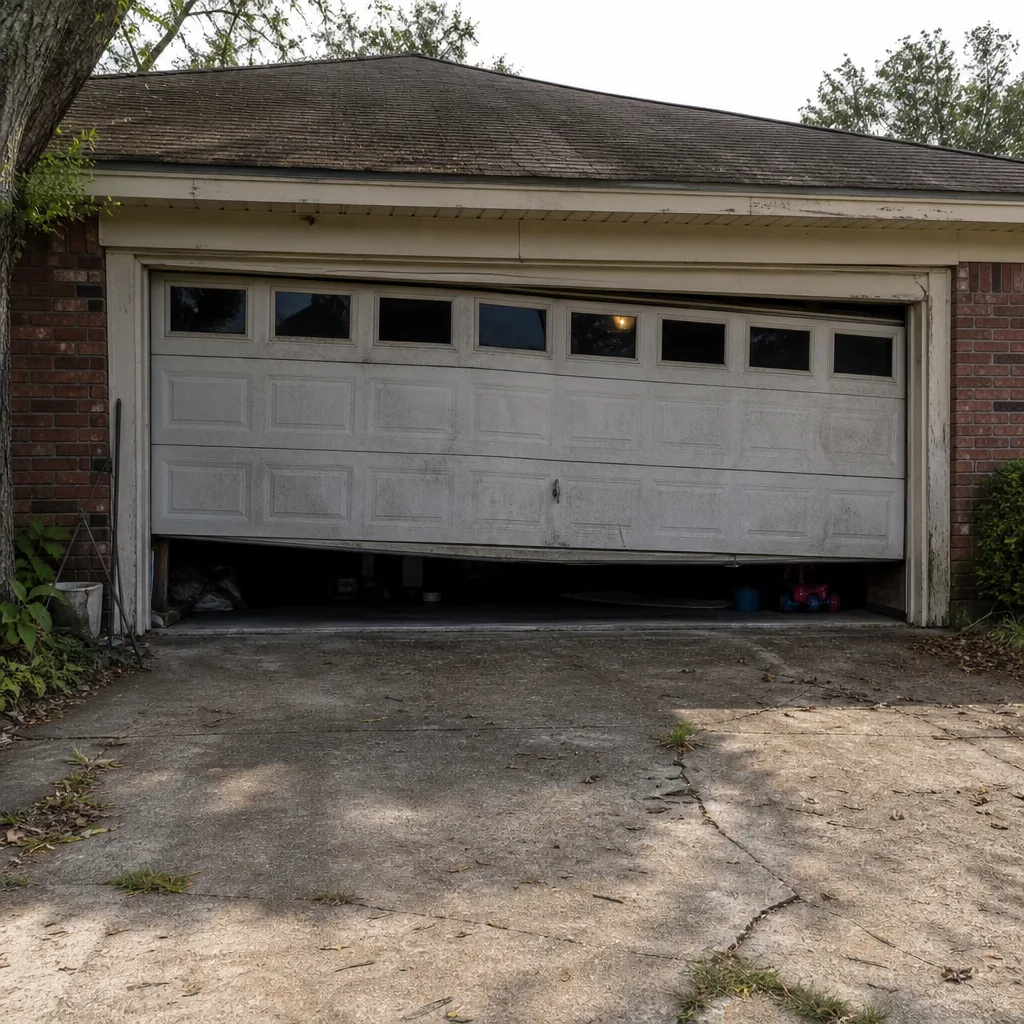 Before
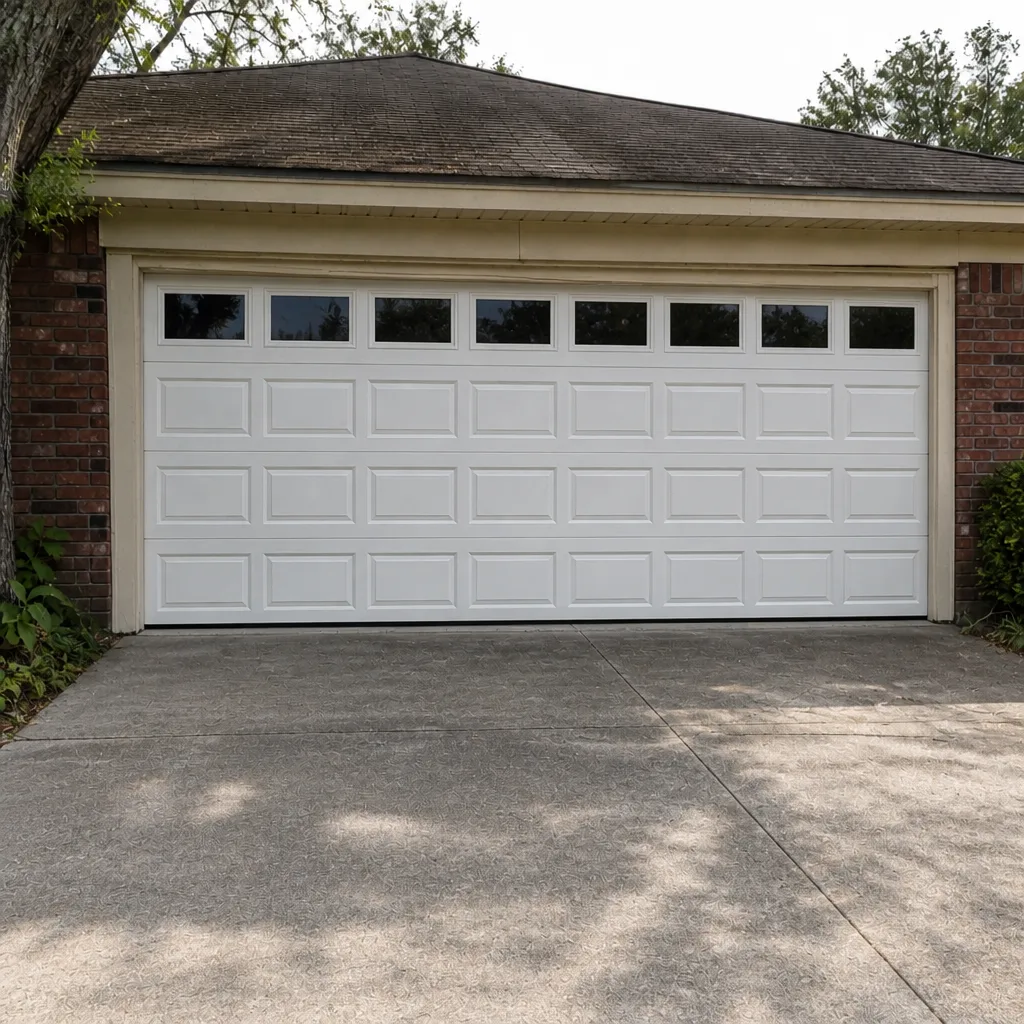 After
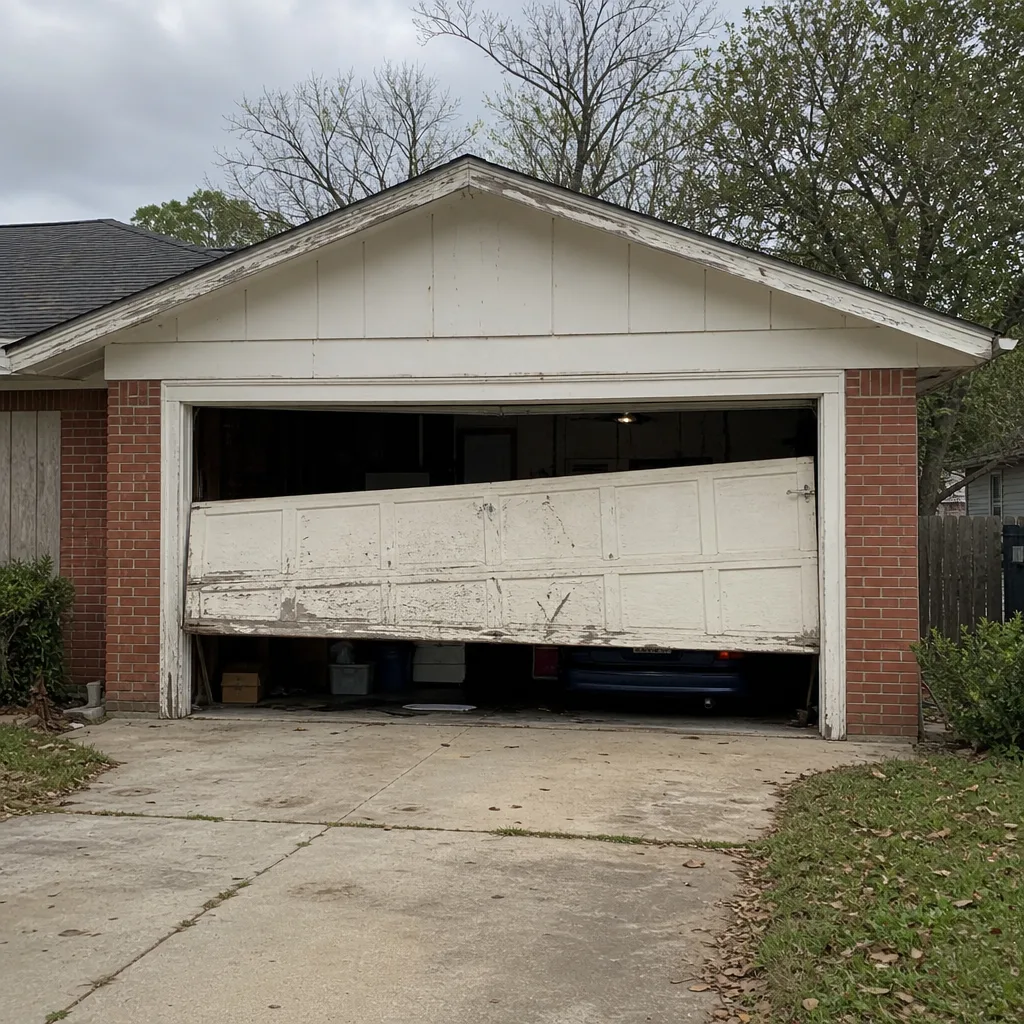 Before
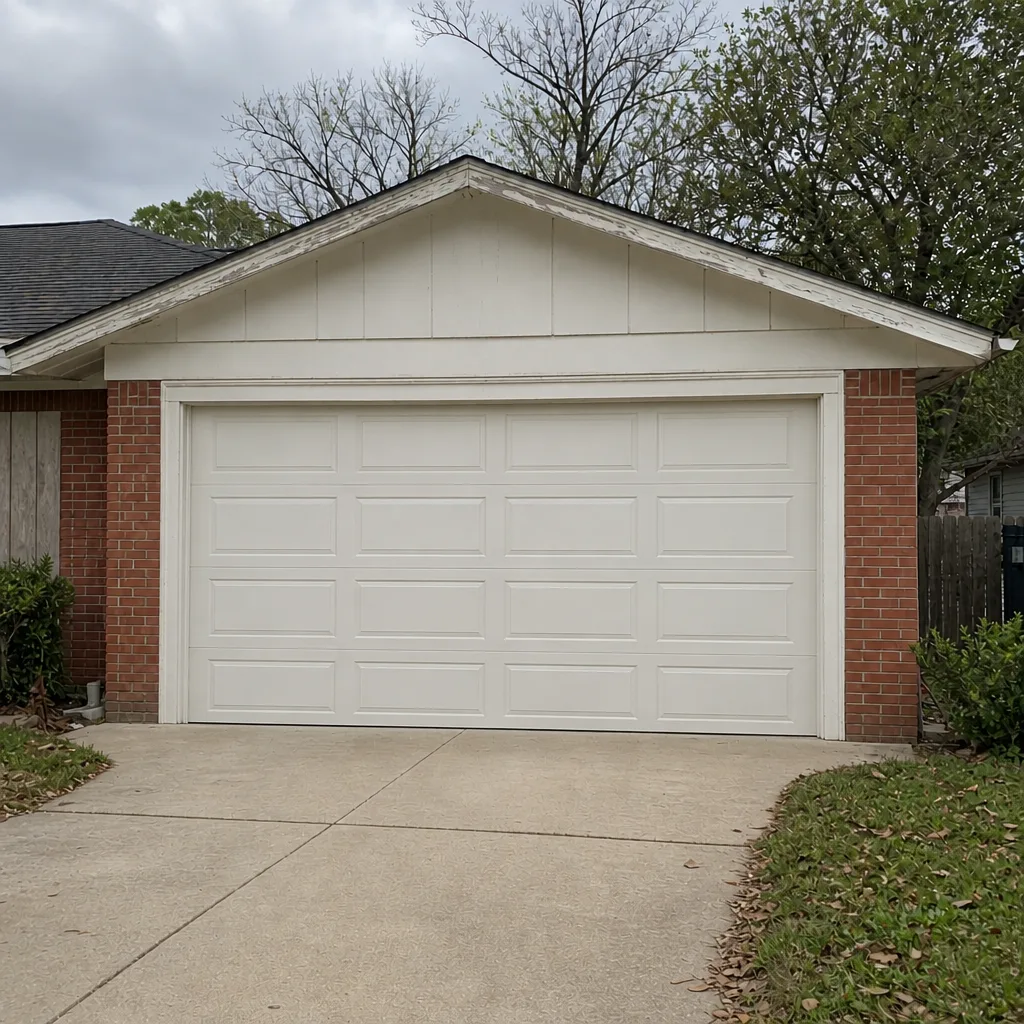 After
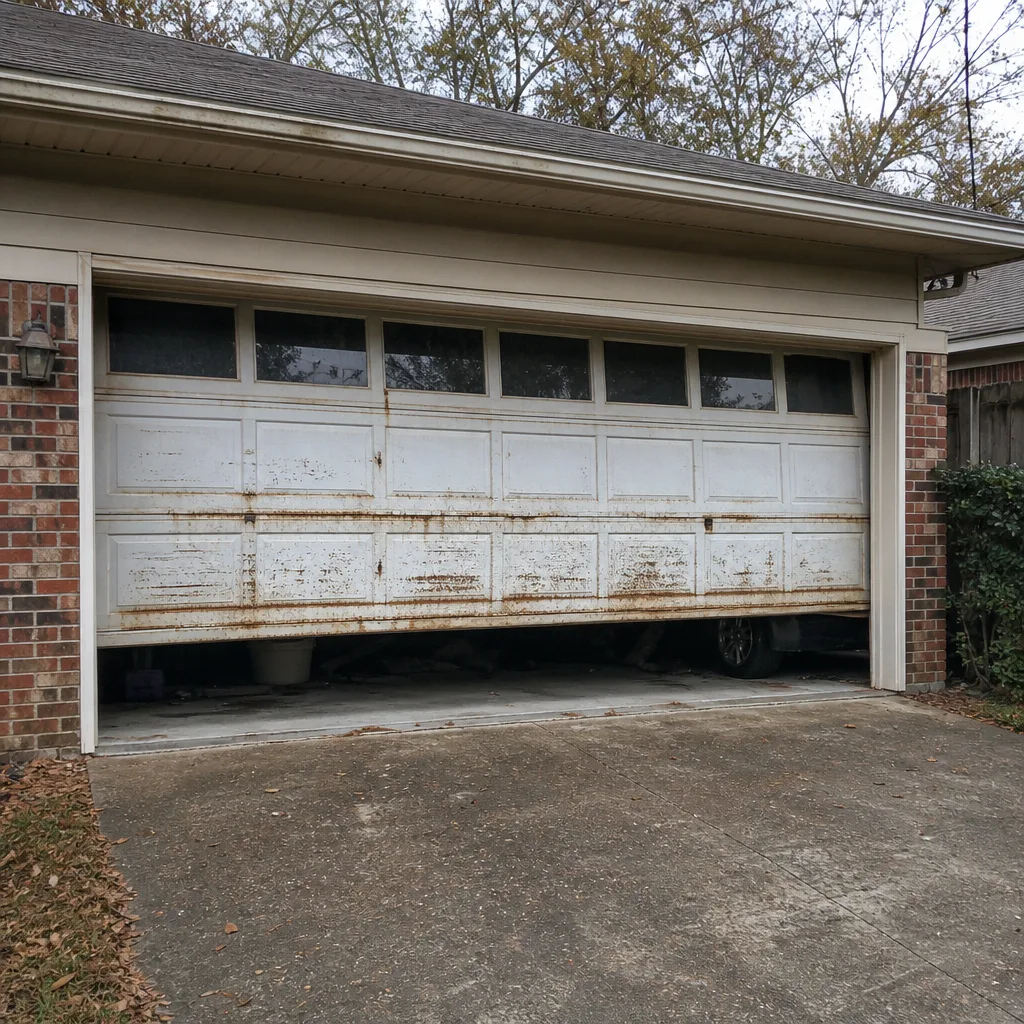 Before
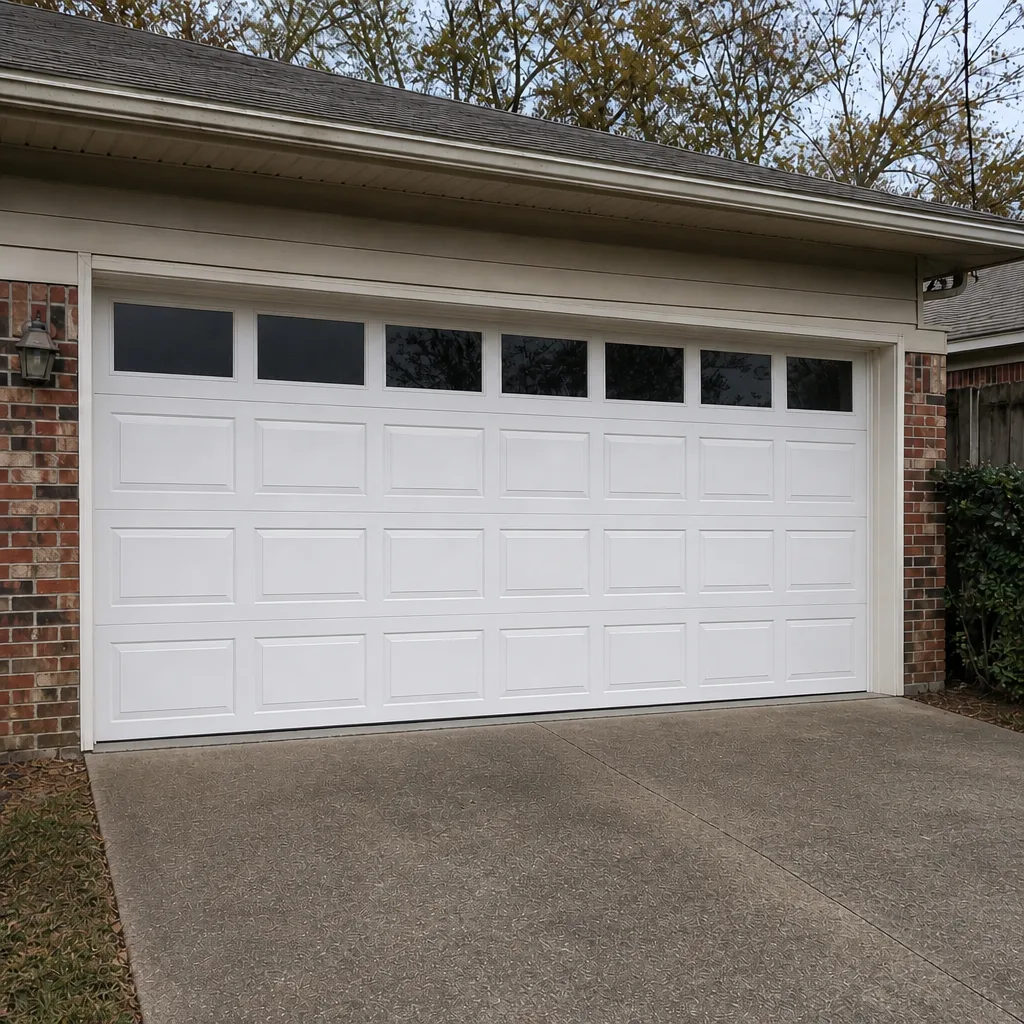 After
When to Call a Professional
Call a professional when the job is a replacement, when the door carries a wind rating that has to be documented, when the opening has changed, or when you’re not sure which category the work falls into. Those are the situations where getting the specification, the documentation, and the installation right in one pass saves a lot of backtracking.
Call us too if the door or opener has failed and you need it working. Springs, cables, and openers are repair jobs, and repairs don’t need paperwork. We work on the major brands homeowners actually have, including LiftMaster, Chamberlain, Genie, Clopay, Amarr, Wayne Dalton, Craftsman, and Raynor. Mobile Garage Door Service comes to your location, so we can look at the door and tell you which category it’s in before anything gets ordered. We answer 24/7, with fast dispatch from 7am to 7pm, Sunday through Friday. Mobile Garage Door Service offers free estimates in Mobile, call (877) 367-4142.
Frequently Asked Questions
Usually yes. A full garage door replacement in Mobile is typically treated as a structural change to the wind envelope of the house and requires a building permit. Panel repairs and opener work generally do not. Call the City of Mobile building department to confirm the requirement for your specific address before the door gets ordered. Call (877) 367-4142 and we’ll walk through what category your job falls into.
No. Repairs to an existing door, including spring, cable, roller, hinge, and track work, don’t require a permit in Mobile. The permit requirement applies to replacement or structural changes. If the change is a repair of the same door, you’re outside the permit process entirely. Call (877) 367-4142 for a free estimate on the repair.
Wind load is a measure of the force a structure is designed to withstand in high wind, and the garage door is one of the largest and weakest surfaces on a house. In Mobile County, the wind load requirement at a given address determines which door ratings are acceptable there. The requirement is address-specific, so the city building department is the authority on what applies to your property. If you want help identifying which doors meet the requirement at your address, call (877) 367-4142.
An inspector checks that the installed door matches the approved submittal, that the anchors and hardware match the manufacturer’s installation instructions, and that the surrounding structure supports the load. Installation details like track mounting, spring sizing, and safety hardware typically come under review as well. Nothing in the inspection is about taste or appearance. It’s a verification of the spec. Call (877) 367-4142 if you need help preparing the documentation.
It can complicate a claim. If a storm damages the door, the adjuster will want to know what was installed and to what standard, and a permit and inspection record is the clearest evidence you have. Without it, the claim is harder to substantiate. The best defense is keeping the permit and inspection records with the property. Call (877) 367-4142 for a free estimate and we’ll start with what the job actually needs.
It can. During a sale, a buyer’s lender and home inspector will look at recent improvements, and an unpermitted garage door replacement can be flagged and stall the closing. The fix is usually straightforward but disruptive at the wrong moment. Keeping permits and inspection records from the start avoids the whole problem. Call (877) 367-4142 if you’re planning a replacement or want to talk through what the paperwork will involve.
The Bottom Line
In Mobile, garage door replacement is a permit job, garage door repair is not, and opener work is its own category. The permit exists because the door is part of the wind envelope of the house, and in Mobile County the wind load requirement at your address determines which doors are acceptable. Inspectors verify the installed door against the approved submittal, so getting the specification right before the door is ordered matters more than anything else in the process. The records you keep decide how smoothly a future claim or home sale goes. If you want help sorting out which category your job is in, Mobile is where we work, and we’re happy to look at the door before anything gets ordered.
Mobile Garage Door Service provides on-site garage door repair, opener repair, and installation, and we come to you rather than asking you to haul a door anywhere. Our technicians have up to 11 years of experience with every major brand on the market. We answer 24/7, with fast dispatch from 7am to 7pm, Sunday through Friday. Call (877) 367-4142 for a free estimate. One call covers it, whatever brand you have.
Written by the team at Mobile Garage Door Service.