
Last updated November 15, 2026
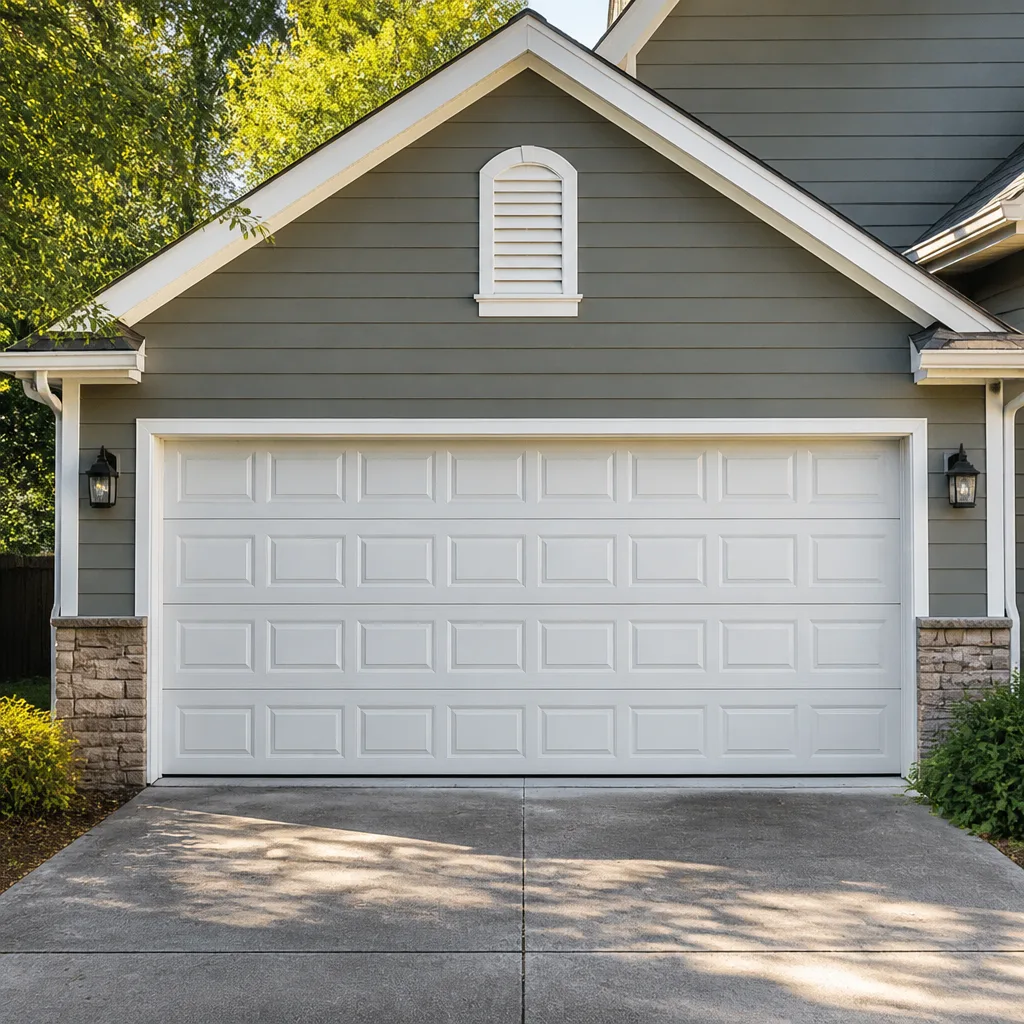 Raised-panel steel
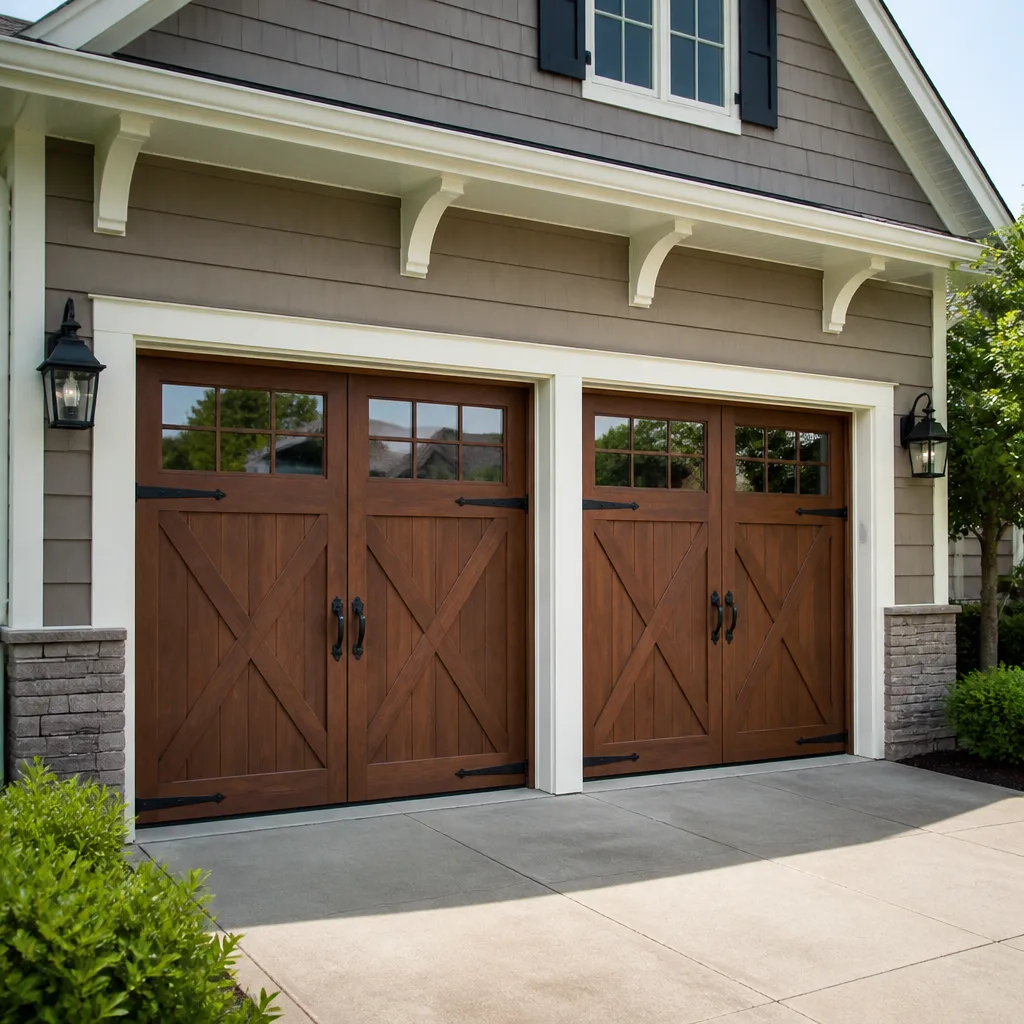 Carriage house
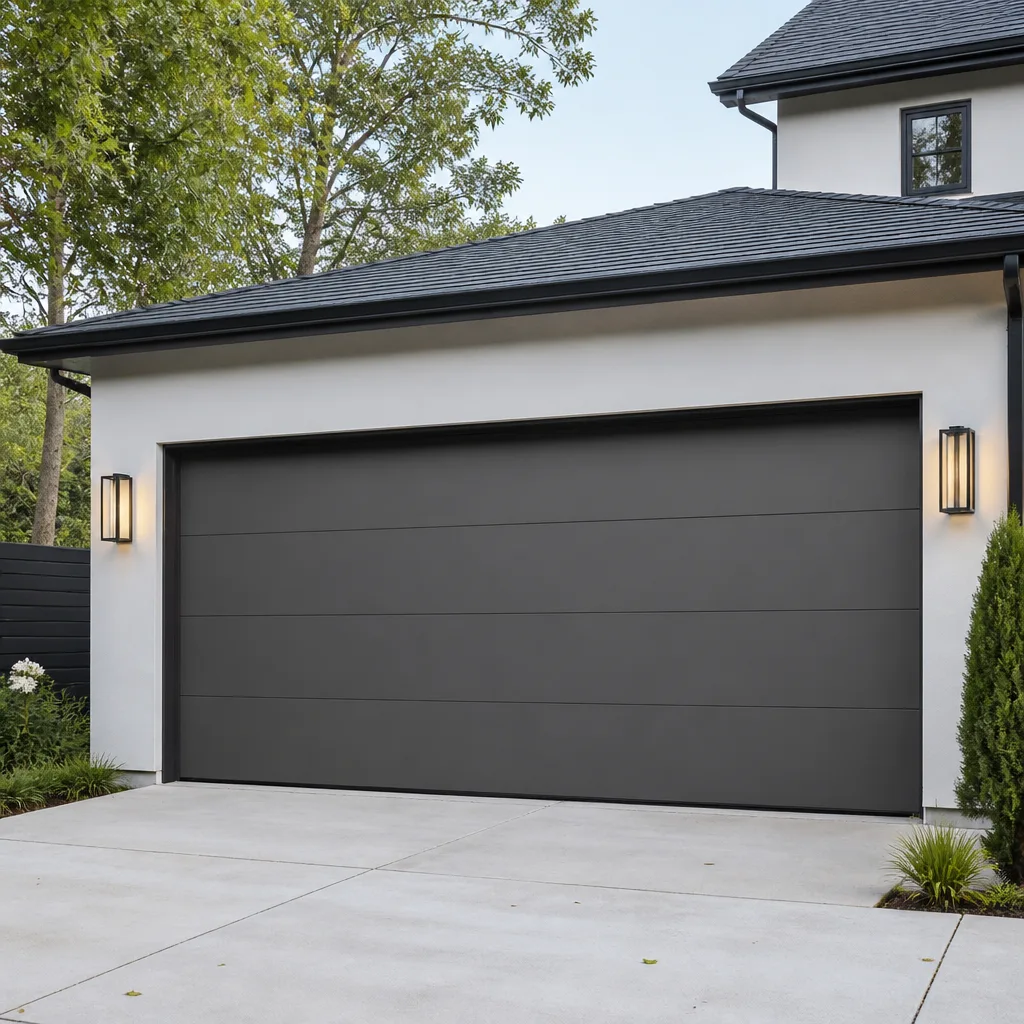 Modern flush
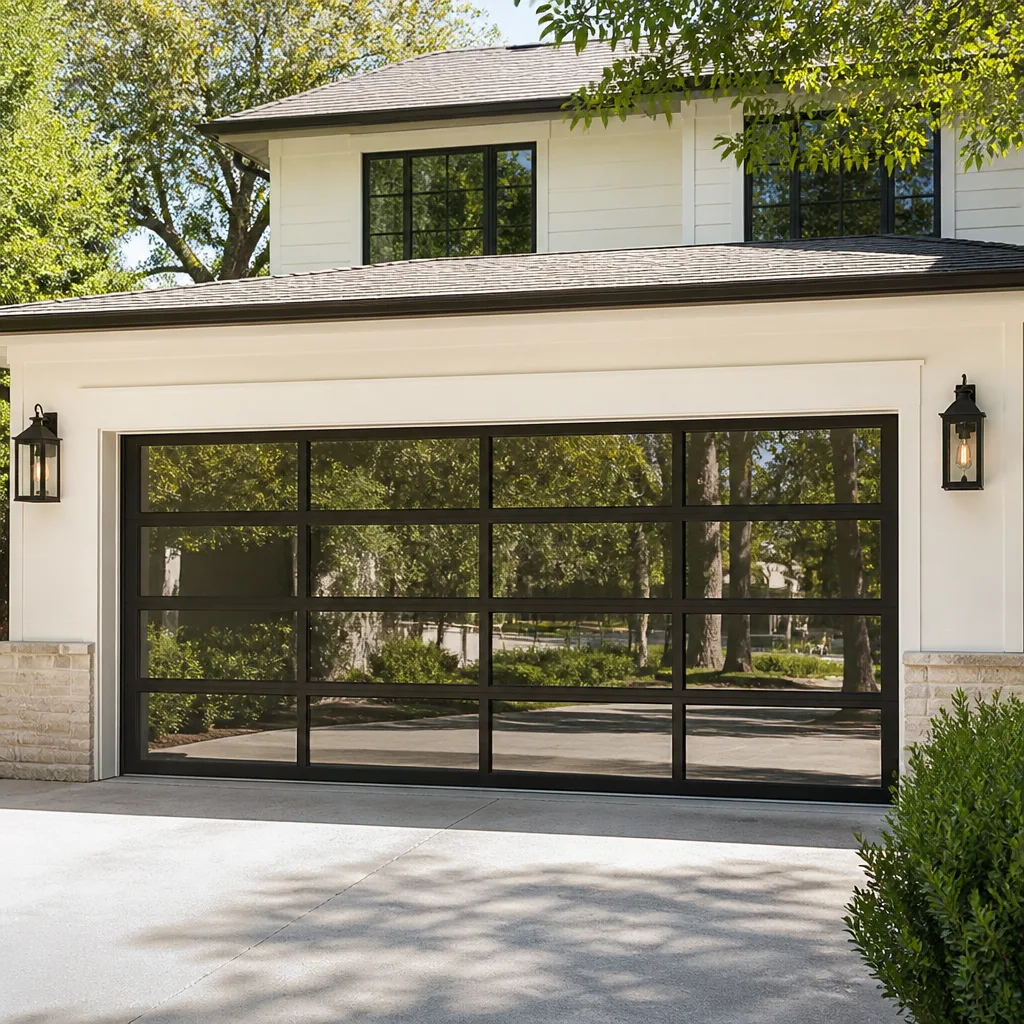 Full-view glass
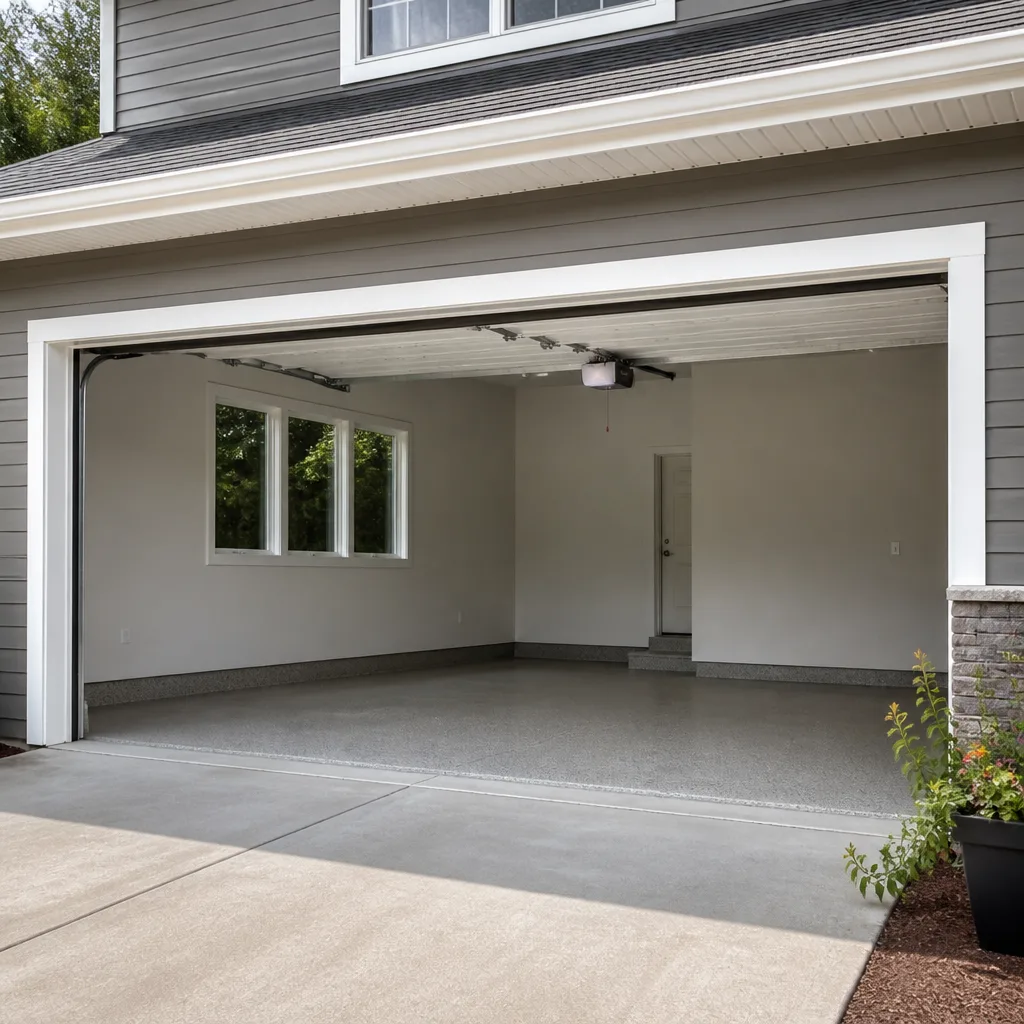 LiftMaster openers
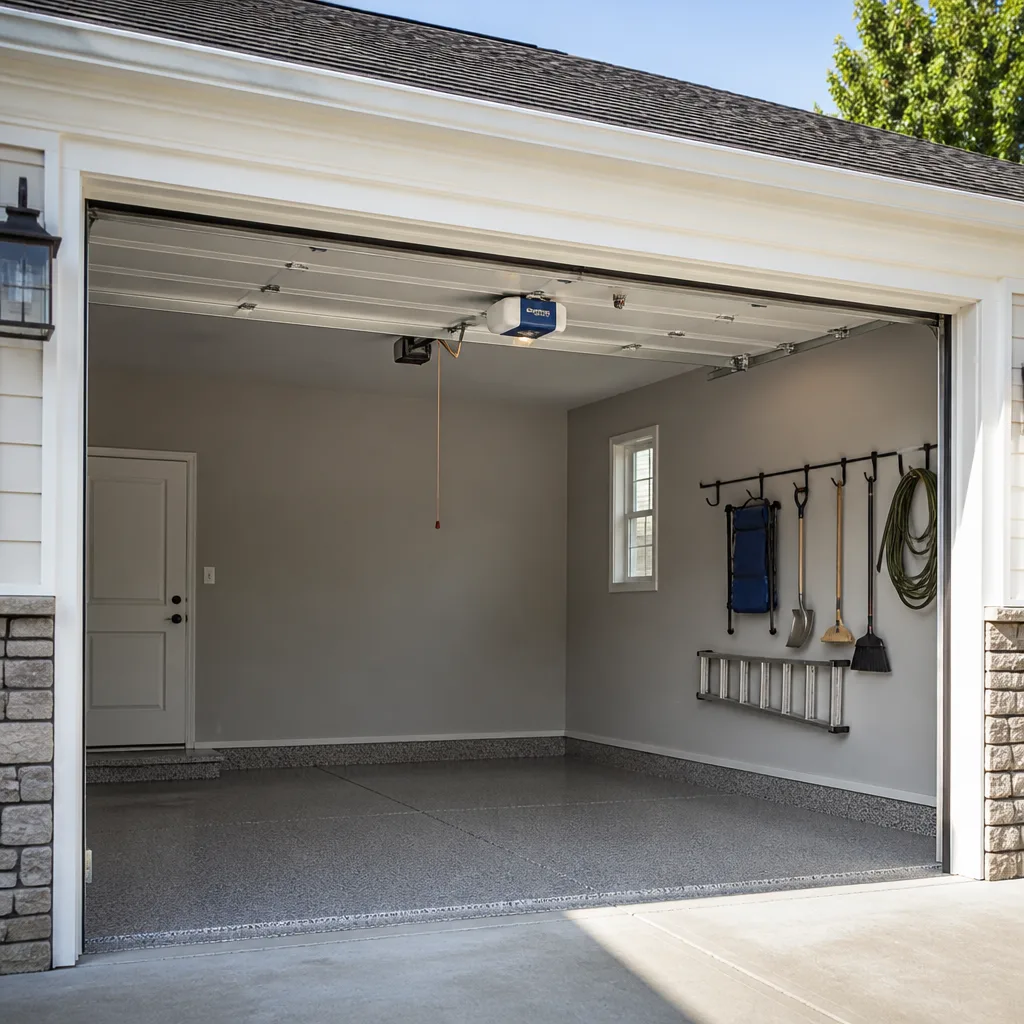 Chamberlain openers
Full 25-point door and opener safety check with every visit - springs, cables, rollers, tracks, and your LiftMaster or Chamberlain opener included
You get a price before we start. It does not change when the pro arrives.
Get your free estimateGarage Door Repair Troubleshooting in Mobile: Common Problems and How to Fix Them
A door that “just stopped working” almost never just stopped working. Something specific failed first, and in our experience the opener gets blamed for a failure it didn’t cause more often than any other part on the door. Homeowners press the remote, hear nothing useful, and assume the motor is dead when the real problem is a snapped spring, a slipped cable or a sensor knocked out of line. This guide gives you a technician’s decision tree for Mobile: five failure categories, the symptoms that separate them, and a clear line between what you can safely check yourself and what needs a trained hand.
Quick Answer
Most garage door problems in Mobile come down to one of five categories: springs, cables, tracks, openers or safety sensors. If the door won’t lift at all and feels unusually heavy by hand, suspect a spring or cable and stop operating it. If the door moves but reverses, stops short or ignores the remote, the opener or a sensor is the likely culprit, and that’s often a same-day fix.
Styles & brands we work with
- Raised-panel steel
- Carriage house
- Modern flush
- Full-view glass
- LiftMaster openers
- Chamberlain openers
Table of Contents
- The Five Failure Categories That Cover Almost Every Problem
- Does It Do This? A Sound-and-Movement Decision Tree
- How Mobile’s Humidity Affects Cables, Springs and Hardware
- What You Can Safely Check Yourself (and What You Can’t)
- Why the Opener Gets Blamed for Failures It Didn’t Cause
- Brand Matters Less Than You Think (But Not Zero)
- Older Doors and Repairs vs. Replacement
- What Repair Work Typically Involves
The Five Failure Categories That Cover Almost Every Problem
Nearly every garage door breakdown falls into one of five mechanical categories. Learning to recognize which one you’re looking at tells you roughly how serious the problem is before anyone touches the door. That’s the value of troubleshooting: not fixing it yourself, but knowing what kind of fix you’re dealing with.
- Springs. Torsion springs sit on the shaft above the door; extension springs run along the track on each side. A broken spring means the door suddenly weighs far more than the opener is designed to lift. The most common clue is a loud bang from the garage followed by a door that won’t open more than a few inches.
- Cables. Cables wind around the drums at each end of the shaft and keep the door level and balanced. A frayed or slipped cable usually shows as a door that lifts crooked, hangs low on one side, or binds in the track.
- Tracks. The vertical and horizontal tracks guide the door. Dents, bent sections or loose brackets make the door scrape, stall or jump. A door that closes partway and stops is often fighting a misaligned track.
- Openers. The motor, gears and logic board. Symptoms include a humming motor that doesn’t move the door, a remote that works intermittently, or grinding sounds from the unit itself.
- Safety sensors. The two small eyes near the floor at each side of the opening. If they’re misaligned, blocked or have dirty lenses, the door reverses immediately after starting to close.
On a typical Mobile home, a spring or cable failure is a repair call. A sensor or opener issue is often a same-day fix. Knowing the difference saves you time on the phone and keeps you from operating a door that shouldn’t move.
Does It Do This? A Sound-and-Movement Decision Tree
The fastest way to narrow down a garage door problem is to pay attention to what it’s doing and what it’s saying. Sound and movement tell you more than any error code on the wall unit. Run through this sequence the next time your door misbehaves.
Start with the sound
- A single loud bang from the garage, then nothing works: almost always a broken torsion spring. Stop operating the door.
- Grinding or a metallic scrape as the door moves: track alignment, a worn roller or a dry hinge. Keep the door still until you know which.
- A hum from the opener with no movement: the opener is receiving power but the drive is failing, or the door is too heavy for it. That second possibility points back at a spring.
- Clicking and nothing else: often a remote, wall button or logic board issue rather than a mechanical failure.
Then the movement
- Door goes up a few inches and stops: spring failure or an obstruction. A heavy door confirms the spring.
- Door closes, then immediately reverses: sensor problem nine times out of ten. Check for a leaf, cobweb or knocked bracket.
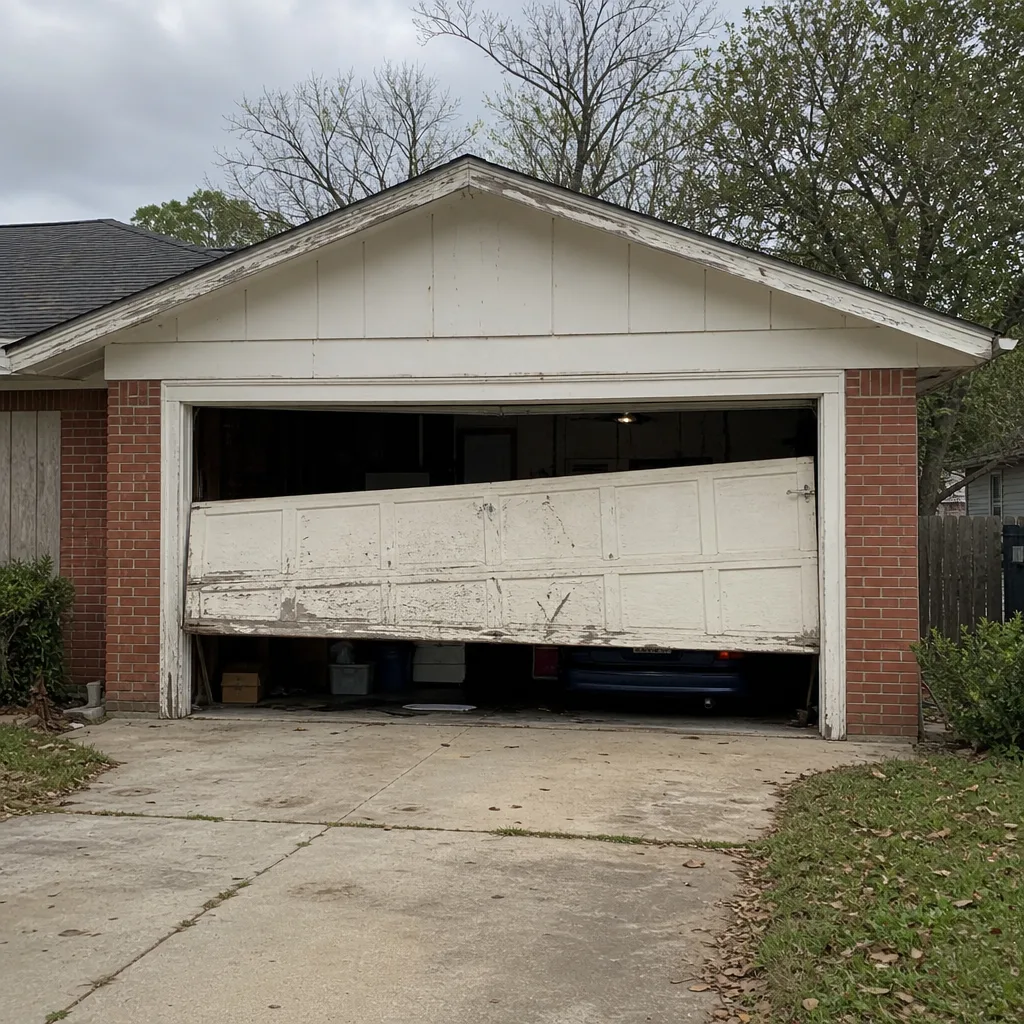
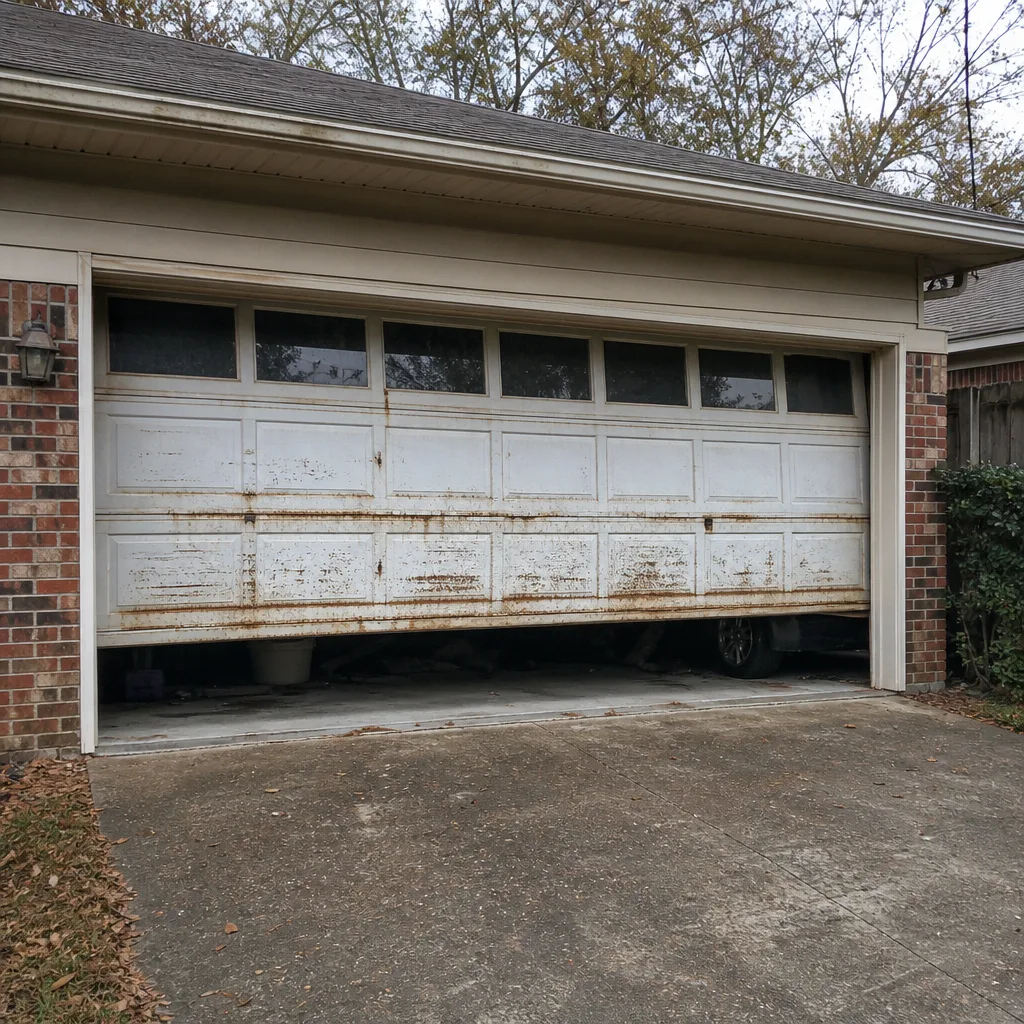
- Door rises crooked or one side lags: a cable has slipped or frayed.
- Door moves smoothly but only from the wall button, not the remote: a remote or receiver issue, not a door problem.
If two or three of those descriptions fit, you’ve got your category. For anything involving springs or cables, the answer is a call. For sensor and remote issues, you can usually rule out the simple causes first. If you’d rather not sort through it, our garage door repair team can walk the same sequence at your driveway.
How Mobile’s Humidity Affects Cables, Springs and Hardware
Mobile’s climate is hard on garage door hardware in ways inland homeowners don’t deal with. Long humid summers keep the inside of a garage damp for months, and that moisture works on steel cables, spring coils, hinges, rollers and track brackets. Corrosion doesn’t usually break a part in one season, but it shortens the working life of the parts that carry the most load.
The first place you’ll see it is on the cables. A cable that looks fine from the outside can have internal strands going stiff and brittle. Rust on the spring coils and on the bearing plates is a slower problem, but it matters because a corroded spring loses some of its ability to hold tension evenly. Rollers get the same treatment: nylon rollers hold up better than steel ones in this kind of damp, and swapping them out is one of the small maintenance fixes worth doing.
What does that mean in practice? Two things. First, if your door has been in a humid garage for years without lubrication or inspection, treat any new noise as a signal rather than background. Second, when your door does break, ask the technician whether the surrounding hardware shows the same wear pattern. Replacing one cable when both show corrosion usually saves a second visit.
In our experience, doors in Mobile benefit from an annual check of the cables, hinges and rollers. Simple lubrication on the moving metal parts, and a visual inspection of the cable strands, is what catches the problem while it’s still a $20 fix rather than a mid-week breakdown. Our technicians have up to 11 years of experience in this climate and know what a failing cable looks like before it snaps.
What You Can Safely Check Yourself (and What You Can’t)
There’s a clear safety line with garage doors, and knowing where it sits is the single most useful thing in this guide. On one side are the checks that any homeowner can do without risk. On the other are the parts that can injure or kill someone who doesn’t know how they behave under tension. Never cross that line to save a phone call.
Safe to check yourself
- Test the safety sensors by placing a box in the door’s path and watching whether the door reverses.
- Wipe the sensor lenses and check that the indicator light on each is on.
- Replace remote batteries and re-pair a remote to the opener using the manual.
- Look at the tracks from a distance for obvious dents or loose brackets. Don’t try to bend a track back into shape yourself.
- Listen for new sounds and note when they happen, so you can describe them accurately.
Not safe to touch
- Torsion springs and the shaft they sit on. These hold enormous stored energy. Adjusting, winding or removing one requires the right tools and the training to use them. A torsion spring that releases unexpectedly can cause serious injury. This is not a DIY repair under any circumstances.
- Cables and drums. Same principle: the cable is under tension and a slipped drum can whip.
- Extension springs, which also store energy and, unless they have a safety containment cable, can travel if they fail.
- The opener’s internal drive, if you don’t know how to isolate power to it.
If you’re ever unsure which category your problem falls into, treat it as a professional call. That’s not a sales line, it’s the recommendation we give when we’re on the phone with someone. Call (877) 367-4142 and describe what the door is doing; we can usually tell you within a minute whether it’s safe to use until we get there.
Why the Opener Gets Blamed for Failures It Didn’t Cause
The most common misdiagnosis we hear is that the opener is broken when the opener is fine. Here’s why it happens. The opener is the part you interact with, so when nothing happens, it feels like the opener failed. But the opener’s job is to move a door that its springs have already made light. When a spring breaks or a cable slips, the opener suddenly faces a door that weighs several times what it was designed for, and it does the sensible thing: it stalls, strains or gives up.
The reverse happens with sensors too. A door that reverses immediately after starting to close looks like an opener problem, but it’s the safety system doing exactly what it’s supposed to do. The sensors saw something, real or imagined, and stopped the door. On a Mobile door, the “something” is often a cobweb, a dropped leaf, or a bracket nudged out of line by someone backing into the door with a lawnmower.
A few quick ways to tell the difference:
- Try the door by hand with the opener disconnected. If it’s genuinely heavy, the springs are the problem, not the opener.
- Watch the sensor lights. If one is off or flickering, the door won’t operate properly no matter how well the opener works.
- Listen to the motor. A clean hum with no movement is a drive problem. A strained grind is a heavy door, which points back at the springs.
Getting this right matters because the fix is completely different. Replacing an opener that’s fine doesn’t solve a spring failure, and it costs you more than the repair you actually needed. Our garage door opener repair work starts with ruling out the door before we touch the motor.
Brand Matters Less Than You Think (But Not Zero)
Homeowners often ask whether a specific brand is “better” for repair. The honest answer is that most door and opener problems are mechanical and shared across brands, so the troubleshooting logic in this guide works on just about any residential system. But brand does matter for two reasons: parts availability and the small quirks each manufacturer builds in.
We service the major brands you’re likely to have on your house, including Genie, Clopay, Amarr and Wayne Dalton, plus LiftMaster, Chamberlain, Craftsman and Raynor. That range matters because a brand-agnostic technician doesn’t have a reason to steer you toward the system he prefers to sell. He looks at what’s already on your door and repairs or replaces accordingly.
The brand quirks you’ll encounter:
- Genie openers have their own logic board behavior and remote-pairing routines that differ from LiftMaster and Chamberlain.
- Clopay and Amarr doors use panel and hardware systems where replacement parts run on specific profiles.
- Wayne Dalton doors use a track and roller system that’s less interchangeable with other makes.
What you should take from this: brand knowledge shortens a repair, but it doesn’t change the diagnosis. Whether your door is a Wayne Dalton or a Clopay, a broken spring is a broken spring. The quicker question is what part failed, not what logo is on the panel.
Older Doors and Repairs vs. Replacement
Mobile has plenty of older homes where the garage door has been quietly doing its job for a long time. When something breaks on a door like that, the question becomes whether to repair or replace. The right answer depends on what’s failing and how much of the system is worn, and a good technician will give you a straight comparison rather than pushing one way.
Repair usually makes sense when one part has failed and the rest of the system is sound. A single spring, a cable, a set of rollers or a sensor can be replaced and the door carries on for years. The rest of the door hasn’t changed, so the fix is proportionate.
Replacement tends to make sense when:
- The door panels are damaged, dented or sagging beyond repair.
- Multiple springs, the cables and the rollers are all showing wear at the same time, so you’d be replacing nearly every moving part in sequence.
- The opener is failing and incompatible with modern safety features, and the door isn’t far behind.
- The door is unsafe to operate and the cost of restoring it approaches the cost of a new one.
If you’re weighing it up, get a written estimate on the repair before you consider replacement. That lets you compare the two honestly. We approach each door based on what it actually needs, and if a repair is the better call we’ll say so. Mobile homeowners deserve that straight answer instead of a sales pitch, and our Mobile Garage Door Service team gives it on every visit.
What Repair Work Typically Involves
We don’t quote prices on this page, because the right number depends on which category your failure falls into and what the door needs once a technician is standing in front of it. What we can tell you is the shape of a typical repair and what affects the price.
Every job starts with a diagnostic. The technician tests the door by hand, checks the springs, cables, tracks and sensors, and tests the opener separately. That diagnosis is what separates a $20 sensor adjustment from a spring replacement. From there:
- Sensor or remote issues are usually the smallest repair. A re-aimed sensor, a replacement remote or a battery change gets the door working again.
- Track or roller work runs a bit higher because more parts are involved.
- Cable replacement costs more, and pairs with spring work more often than not.
- Spring replacement is the most common larger repair. A matched pair usually gets replaced together, so budget for double the single-spring estimate if both springs are the same age.
- Opener repair or replacement depends on the unit and what failed inside it.
Whatever the job, you get a written estimate before any work starts. The price you agree to is the price on the invoice. For an accurate quote on your door, call (877) 367-4142. We answer 24/7. Fast dispatch from 7am to 7pm, Sunday through Friday.
Common Mistakes to Avoid
- Forcing a door that’s stuck or heavy. If the door won’t lift easily by hand, the springs or cables have failed. Running the opener anyway puts strain on the motor and can snap a cable. Stop and call.
- Assuming the opener is broken. In our experience most “dead opener” calls turn out to be a spring, cable or sensor issue. Check the door by hand before you price a new motor.
- Bending a track back into place. Tracks are designed to hold a specific profile. A bent track that “looks fine” often makes the door run rough and wear out rollers faster. Get it replaced, not straightened.
- Ignoring humidity-driven wear. In Mobile’s humid climate, cable and spring corrosion is a slow problem until it isn’t. Have the moving parts checked before a mid-summer breakdown.
- Replacing a single spring when the pair is the same age. The second spring usually fails shortly after the first, so a pair replacement is often the better value even if it costs more up front.
- Using a general handyman for a garage door problem. Garage doors are a specific trade. A generalist may diagnose by guesswork; a door specialist diagnoses by category.
- Treating a reversing door as a minor annoyance. A door that reverses on the way down isn’t just irritating, it’s telling you the safety system is doing its job. Fix the sensor and the door works again.
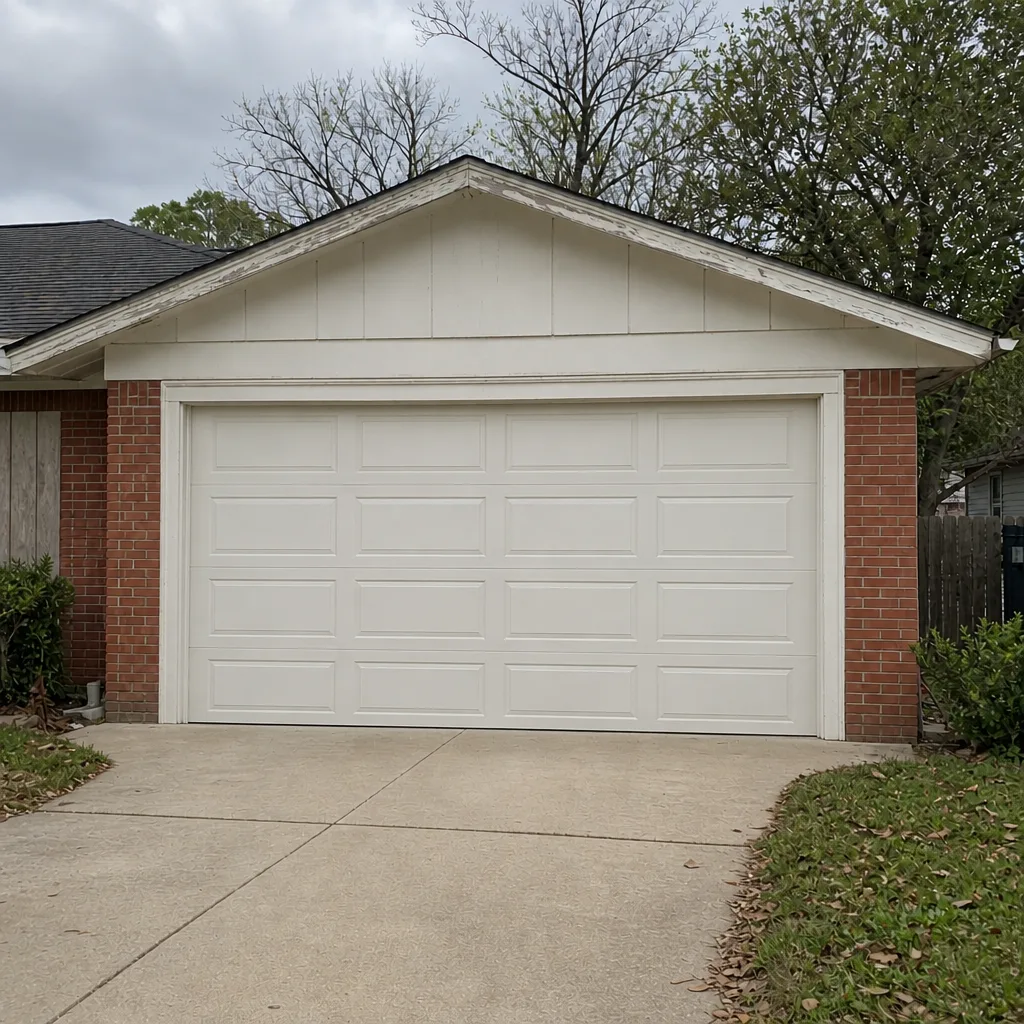
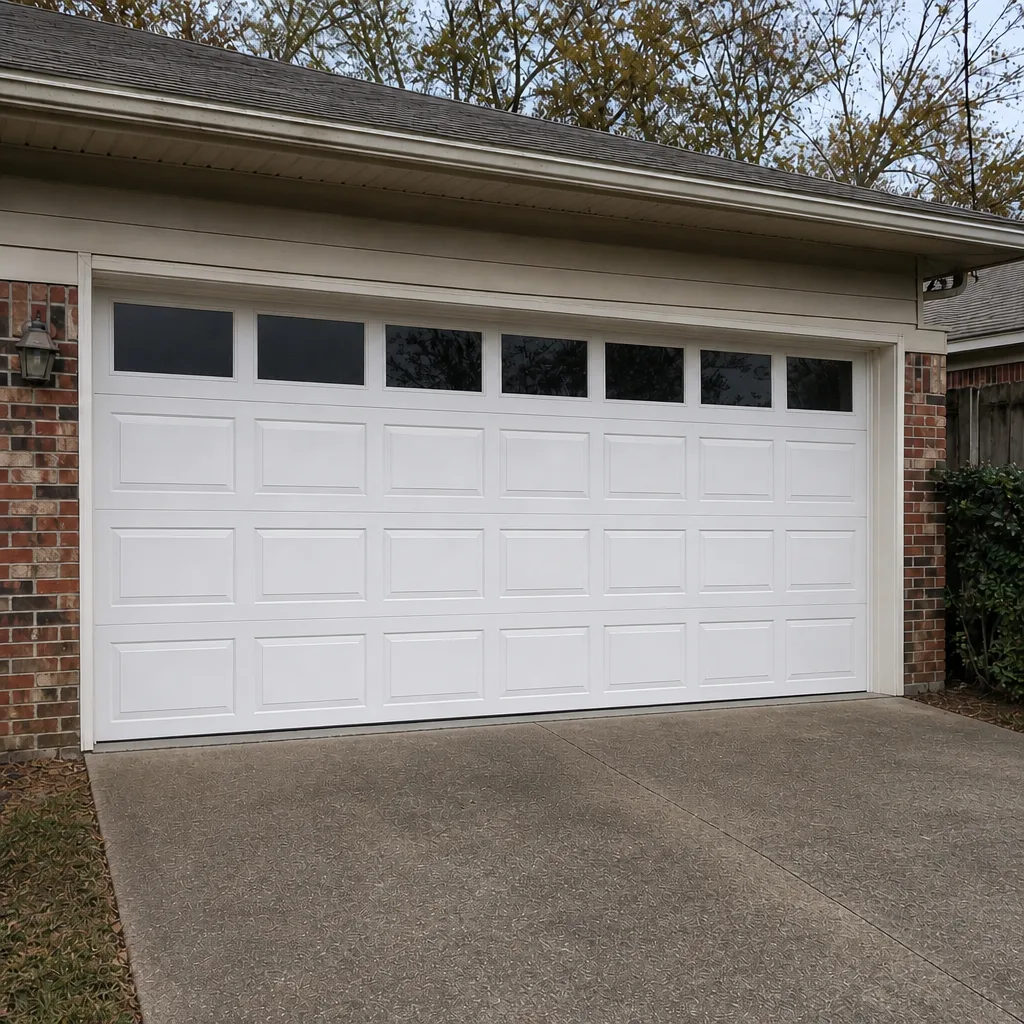
See the difference
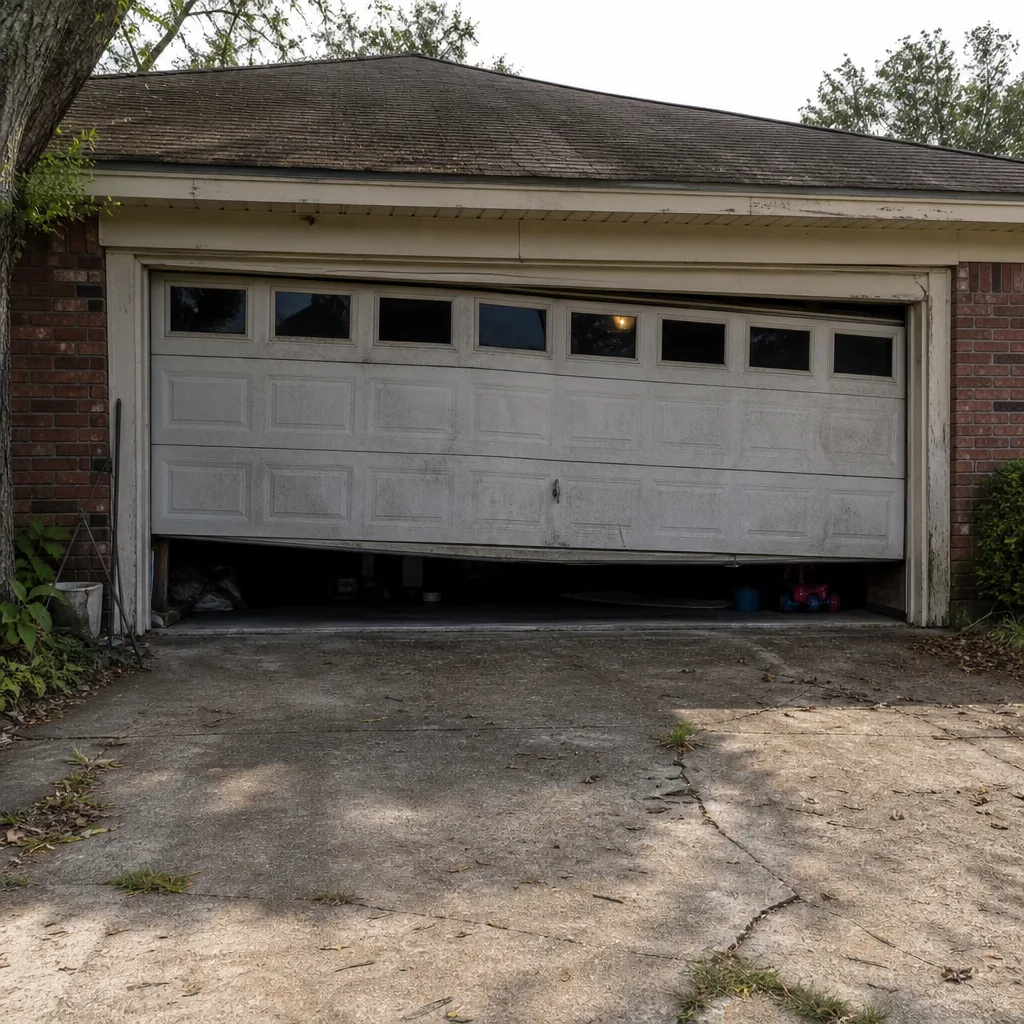 Before
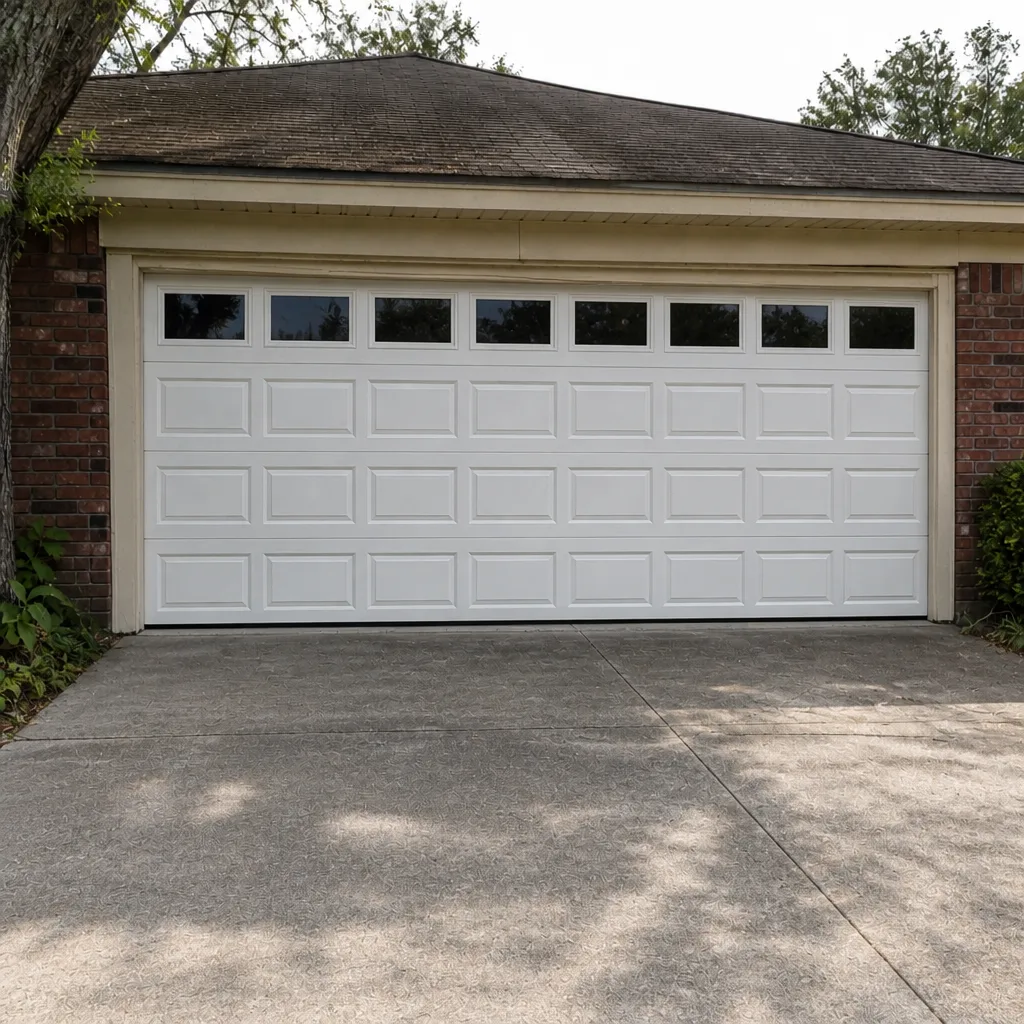 After
 Before
 After
 Before
 After
When to Call a Professional
Call a professional the moment the problem involves springs, cables, or a door that won’t lift easily by hand. Those are the parts that carry stored energy, and they’re not a DIY project regardless of what a video might suggest. Call us if the door rises crooked, if a loud bang came from the garage, if the door reverses after starting to close, if the opener hums without moving, or if the door is older and you’re not sure whether repair or replacement is the right call. Mobile Garage Door Service offers free estimates in Mobile. Call (877) 367-4142. We answer 24/7. Fast dispatch from 7am to 7pm, Sunday through Friday.
Frequently Asked Questions
Broken torsion springs are the single most common problem we hear about, followed by safety sensor issues. In Mobile’s humid climate, cable and spring corrosion also cause a steady share of breakdowns because the damp garage air attacks the steel over time. The good news is that all three are well-understood repairs, and a technician can usually tell you which one you’re dealing with within a few minutes.
No. Torsion springs and the cables that run with them store serious energy, and adjusting or replacing them requires specific tools and training. A spring that releases unexpectedly can cause serious injury. This is one of the few repairs where the answer is always to call a trained professional. If a spring has broken, keep the door closed and call (877) 367-4142 for an estimate.
Usually not. A door that reverses immediately after starting to close is almost always a safety sensor problem, not an opener problem. Check for leaves, cobwebs or a bracket knocked out of line at the sensor eyes near the floor, then try again. If the sensors are clean and aligned and the door still reverses, it needs a proper diagnosis. Call us and we can usually sort it out same day.
Most repairs are completed in a single visit, usually in under two hours for common jobs like sensor fixes, roller replacement or a spring swap. Opener repairs and cable replacements can take a bit longer depending on the brand and condition of the door. The technician gives you a time estimate when he arrives.
We service all the major residential brands, including LiftMaster, Chamberlain, Genie, Clopay, Amarr, Wayne Dalton, Craftsman and Raynor. That covers the vast majority of doors and openers in Mobile homes. If your brand isn’t on that list, call and ask; in most cases we can still help.
We’ll do everything we can to get to you the same day. Call (877) 367-4142 as soon as you notice the problem. We answer 24/7, and fast dispatch runs from 7am to 7pm, Sunday through Friday. A call outside dispatch hours is booked into the next opening, Sunday through Friday, 7am to 7pm. Visit our Mobile service page to learn more about how we work.
The Bottom Line
Garage door troubleshooting starts with the question: which of the five categories is this? Springs, cables, tracks, openers and sensors cover nearly every failure a Mobile homeowner will encounter, and the symptoms separate them cleanly once you know what to listen for. Spring and cable problems are always a call. Sensor and remote problems you can often rule out at home. Blaming the opener before checking the door is the most common and expensive misdiagnosis we see. Get the diagnosis right, and the repair is usually straightforward. When you’re ready to have it looked at, we come to you: one call covers it, and garage doors are all we do.
Call Mobile Garage Door Service at (877) 367-4142 for a free estimate on your garage door repair. We answer 24/7, with fast dispatch from 7am to 7pm, Sunday through Friday. Whether your door needs a repair, an opener fix, or a full replacement, we’re dispatched to your driveway to get you back up and running.
Written by the team at Mobile Garage Door Service.